
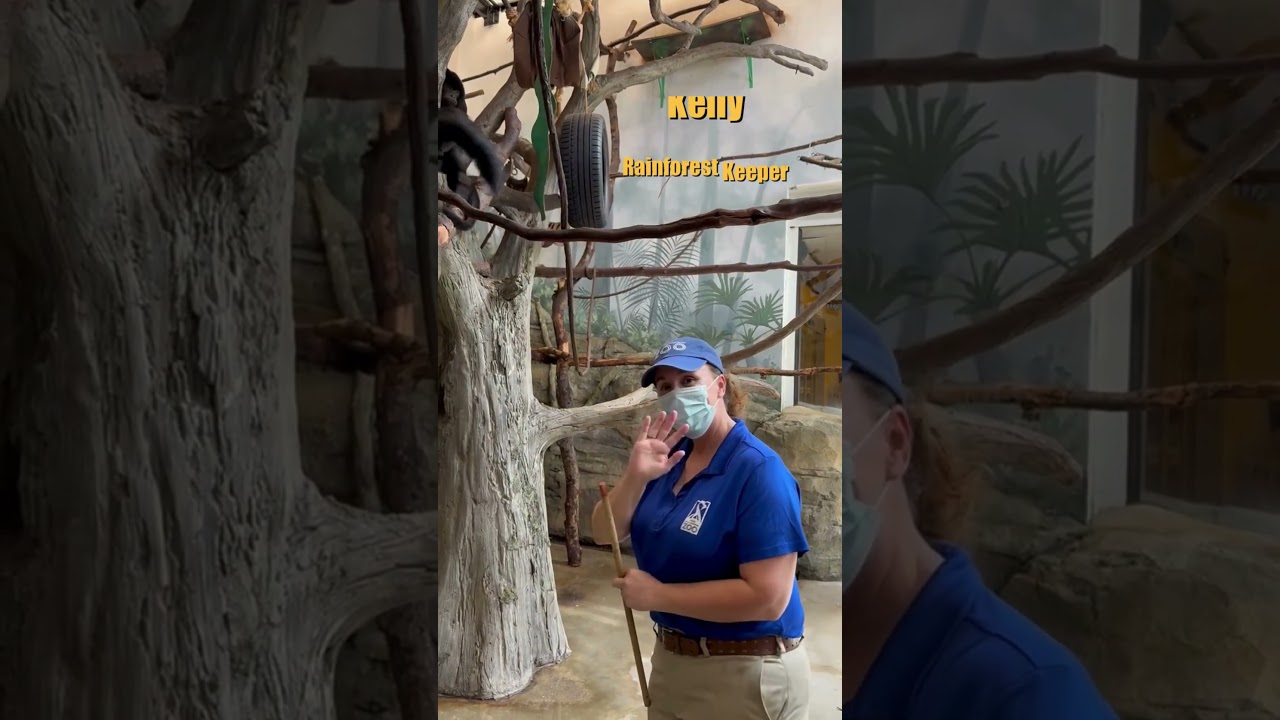
- The significance of Zoo Keeper Week and its role in promoting wildlife conservation.
- Daily responsibilities and challenges faced by zoo keepers in wildlife management.
- The impact of zoos on biodiversity conservation and species preservation.
- Innovative approaches and technologies in zoology and zoo management.
- The educational role of zoos in fostering public awareness and environmental stewardship.
Zoo Keeper Week serves as a reminder of the crucial work done by those who dedicate their lives to the care of animals in captivity. Celebrated annually, this event aims to highlight the dedication, expertise, and passion of zoo keepers. It also sheds light on their role in wildlife conservation and education, which is of paramount importance in today’s rapidly changing world.
Zoo keepers play a vital role in protecting and preserving biodiversity. Their daily activities are instrumental in ensuring the health and well-being of hundreds of species, some of which are critically endangered. Their job is demanding, requiring a mix of physical labor, scientific knowledge, and strong observational skills. Zoo Keeper Week offers an opportunity to appreciate these efforts and educate the public about the value of their work.
Zoo Keepers: Guardians of Biodiversity
Zoo keepers act as the custodians of wildlife within zoo environments. Their primary responsibility is the daily care of the animals, which includes feeding, cleaning, monitoring health, and providing enrichment. These tasks are not only fundamental to animal welfare but are also crucial for species conservation. Each animal’s diet must be carefully managed to mimic its natural feeding habits, which often involves collaboration with veterinarians and nutritionists.
Moreover, enrichment is a critical component that stimulates natural behaviors and reduces stress. Creating environments that mirror natural habitats as closely as possible challenges keepers to think creatively and implement innovative solutions. Providing animals with mental and physical stimulation is vital in promoting psychological well-being and preventing behavioral issues.
Innovative Technologies and Approaches
Advancements in technology have revolutionized zoo management and conservation strategies. Data analysis and modern tracking methods have become integral tools for zoo keepers. Technologies like RFID chips and GPS tracking enable more precise monitoring of animal movements and behaviors. These tools help in collecting essential data that inform breeding programs and species recovery plans.
In addition, the use of AI and machine learning has facilitated a deeper understanding of animal behaviors and needs. By analyzing patterns and trends, zoo managers can make informed decisions to improve habitat designs and care routines. Such innovations underscore the dynamic nature of zoo management, highlighting the need for continuous learning and adaptation.
Role of Zoos in Conservation
Zoos play an essential role in conserving threatened species and maintaining genetic diversity. Breeding programs are at the core of these efforts. With natural habitats being fragmented and diminished by human activities, zoos provide a controlled environment where species can thrive. Successful breeding programs require careful genetic management to avoid inbreeding and ensure the long-term viability of populations.
Furthermore, zoos often collaborate with international conservation organizations to support in-situ conservation projects. These partnerships enhance efforts to protect species in their natural habitats while offering a safety net for those already affected by habitat loss. Reintroduction programs are designed to return captive-bred animals to the wild, bolstering natural populations and restoring ecological balance.
Education and Public Engagement
Zoos serve as living classrooms, offering unique educational experiences that foster a connection between visitors and wildlife. Through interactive exhibits, educational programs, and guided tours, zoos have the power to inspire a passion for conservation. By communicating the significance of biodiversity and the threats faced by many species, zoos play a pivotal role in raising public awareness and encouraging environmental responsibility.
The educational mission of zoos extends beyond the boundaries of their parks. Many institutions engage with schools and communities through outreach programs, providing resources and activities tailored to various age groups. These initiatives aim to instill a sense of stewardship in future generations, emphasizing the interdependence of humans and the natural world.
Challenges and Ethical Considerations
Managing zoos comes with a host of ethical considerations and challenges. One of the main issues is ensuring that the animals’ quality of life is not compromised by captivity. This involves constant evaluation and enhancement of living conditions to meet the physical and psychological needs of diverse species.
Ethical zoo management also requires transparency and accountability. The public demand for responsible animal care drives zoos to adhere to rigorous standards and continuously improve their practices. Accreditation by professional organizations, such as the Association of Zoos and Aquariums (AZA), provides assurance that an institution meets high standards of animal care, education, and conservation.
Future Directions in Zoo Management
The future of zoos lies in their ability to evolve and address the myriad challenges posed by climate change, habitat destruction, and biodiversity loss. Embracing sustainability and green practices will be essential in reducing the ecological footprint of zoos themselves. Solar panels, water recycling systems, and eco-friendly materials are becoming commonplace in new exhibit designs.
Zoos are increasingly acting as conservation hubs, integrating their efforts with broader global strategies. By participating in coordinated conservation plans and sharing resources and knowledge, zoos contribute to a collective effort to safeguard the earth’s biodiversity. This collaborative approach is vital in tackling the complex conservation challenges of the 21st century.
Engagement remains key in this endeavor. By fostering connections with local communities and stakeholders, zoos can amplify their impact beyond the confines of their institutions. Public support and involvement are crucial in advocating for policy changes and conservation funding.
Throughout Zoo Keeper Week, we recognize the indispensable work of those who care for animals, educate the public, and contribute to wildlife conservation. Their commitment and expertise are fundamental to the efforts to protect our planet’s precious natural resources. As we move forward, the role of zoos as champions of biodiversity and educators will only grow in significance, ensuring a future where wildlife and humanity can coexist in harmony.
*****
Source Description
🎥 Roll the intro- it’s the Zoo Crew you know and love! 💛 #zookeeperweek
