
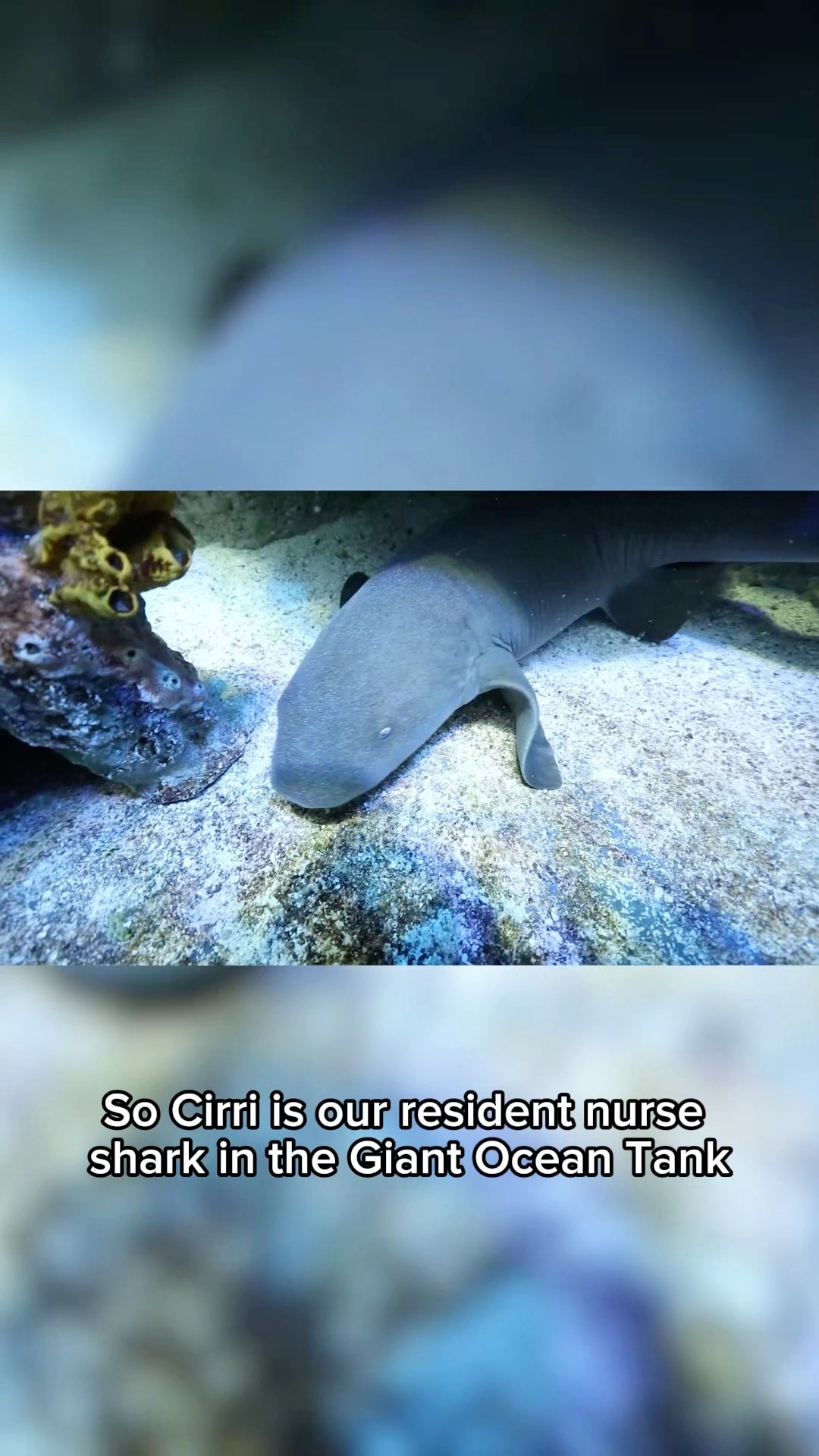
- Target training as a positive reinforcement method
- The importance of training for marine animals
- Detailed process of target training with Cirri, the nurse shark
- Role of the animal care team in effective training
- Benefits of target training for conservation and education
Target training stands as a fundamental behavioral method in the animal care community, particularly for marine animals. It helps facilitate interaction, enriches the animal’s environment, and fosters crucial health assessments. This concept takes center stage as we explore Cirri, our resident nurse shark in the Giant Ocean Tank, and her journey towards becoming target trained.
Target training employs positive reinforcement techniques that enhance communication between animals and their caregivers. This method is inherently beneficial; it encourages an animal to associate specific behaviors with rewards. Consequently, when Cirri responds to a visual target, she anticipates a favored treat or interaction, creating positive experiences that strengthen her bond with her trainers. Understanding the mechanics of positive reinforcement is vital. This training approach is based on the idea that behaviors followed by rewarding stimuli are more likely to recur.
The significance of training for marine animals extends beyond mere entertainment. In a controlled environment like a zoo or aquarium, training helps animals adapt to their surroundings. For instance, nurse sharks like Cirri benefit from being accustomed to human interaction, easing potential stress during veterinary assessments or regular care routines. These animals can be naturally cautious, and introducing them to target training helps mitigate anxiety during interactions.
Implementing target training with Cirri involves a step-by-step process. Initially, a target—a brightly colored object—is introduced to her habitat. Cirri’s curiosity drives her to approach the target. When she does, she receives a reward, such as a small fish or a piece of her preferred food. This process initiates the foundational element of training: motivation.
The process continues with gradual progression. The animal care team harnesses Cirri’s interest in the target, shaping her behaviors towards specific responses. Over time, the distance and complexity of the target training increase. If Cirri successfully nudges or touches the target, she receives immediate reinforcement. This consistent feedback gives her a clear understanding of what is expected, guiding her learning curve.
The animal care team plays a pivotal role in the training regimen. Skilled aquarists like Lindsay utilize extensive behavioral knowledge to ensure Cirri’s training is appropriate and effective. Monitoring her stress levels is essential, as the goal is to create a pleasant environment for both the trainer and the animal. When trainers notice signs of discomfort, they adapt their strategies. This flexibility is a cornerstone of effective training.
Moreover, the impact of Cirri’s target training extends beyond individual enrichment. The information gathered through this process provides valuable insights into shark behavior, health monitoring, and handling techniques that can be applied to other marine species. Training sessions offer a non-invasive way to assess an animal’s health and physical condition. Observing Cirri’s movement, responses, and feeding behavior yields data that enriches our understanding of nurse sharks and enhances overall marine animal management strategies.
Target training serves a critical function in conservation and education, both in institutions and globally. By enhancing visitor experiences, such training fosters appreciation and awareness of marine ecosystems. Interactive presentations using trained animals can inspire future generations to engage in wildlife conservation efforts. The lessons learned from training not only apply to aquarium settings but also underline the importance of marine conservation practices in the wild.
The educational aspect is particularly significant. Many audience members may not be familiar with the behavioral ecology of nurse sharks. By witnessing Cirri’s targeted responses, they gain insight into her natural behaviors while learning about shark conservation and the ecosystem at large. This knowledge transfer serves to promote stewardship among visitors, who may be inspired to protect marine environments.
In sum, target training offers a systematized approach to human-animal interactions that builds trust and reduces stress for marine animals like Cirri. The premise of positive reinforcement applies not only during training but also throughout an animal’s life in captivity, ultimately enriching their well-being.
The dedication of the animal care team plays a fundamental role in Cirri’s journey through target training. Professionals like Lindsay must stay attuned to behavioral cues and progress while focusing on creating a supportive environment. Consistency is essential; training sessions are scheduled regularly to solidify learning. The training process demands patience and creativity, allowing both animal and trainer to thrive together.
Furthermore, target training provides practical assistance in managing health checks. For example, trainers can target Cirri to specific locations where she can be visually assessed or even trained to allow veterinary procedures to be performed with minimal stress. These activities serve as proactive measures in wildlife management, reducing the likelihood of stress-induced complications often associated with traditional handling techniques.
Additionally, the application of target training does not solely benefit captive marine animals; it opens discourse surrounding wild populations. Ethical implications arise when discussing the balance between animal behavior, training, and conservation. Knowledge gained from training sessions can inform field biologists and aid in the conservation of threatened species through more effective management practices, encouraging a greater understanding of species’ needs in natural habitats.
The use of target training further emphasizes a shift in the narrative surrounding captive animals. Far from being solely for display purposes, zoos and aquariums are evolving into centers for conservation, education, and rehabilitation. Target training is an essential tool in this transformation, promoting well-being, enriching habitats, and advancing the mission of wildlife preservation.
Through Cirri’s experience, visitors have an opportunity to witness the incredible adaptability of marine creatures when given supportive learning experiences. Harnessing the natural curiosity of an animal can open the door to thoughtful, responsible engagement. Ultimately, target training stands as a testament to the potential of human-animal connections that drive both advanced training methodologies and broader conservation initiatives.
The journey of Cirri, the nurse shark, embodies the principles and practices that underline successful target training. It showcases the importance of structural approaches to animal enrichment and behavioral management in the context of marine life. Following Cirri’s progress not only illuminates methods used within contemporary marine animal care but fosters critical reflection on how we perceive and support aquatic ecosystems.
With a focus on Cirri’s evolution, each element of target training is crucial, shaping the future of marine animal care while emphasizing education and conservation efforts within our communities. The goal is to create harmonious relationships—between humans and marine animals—that foster understanding and inspire a commitment to protecting the environment. As we observe Cirri’s progress, we gain not only an appreciation for the nuanced approaches in animal care but also a deeper respect for the conservation efforts that these practices empower.
*****
Source Description
Let’s talk about target training! 🎯
Cirri, our resident nurse shark in the Giant Ocean Tank, has been working with our Animal Care team to become target trained. Follow along as senior aquarist Lindsay explains the process and why it is so beneficial!
