
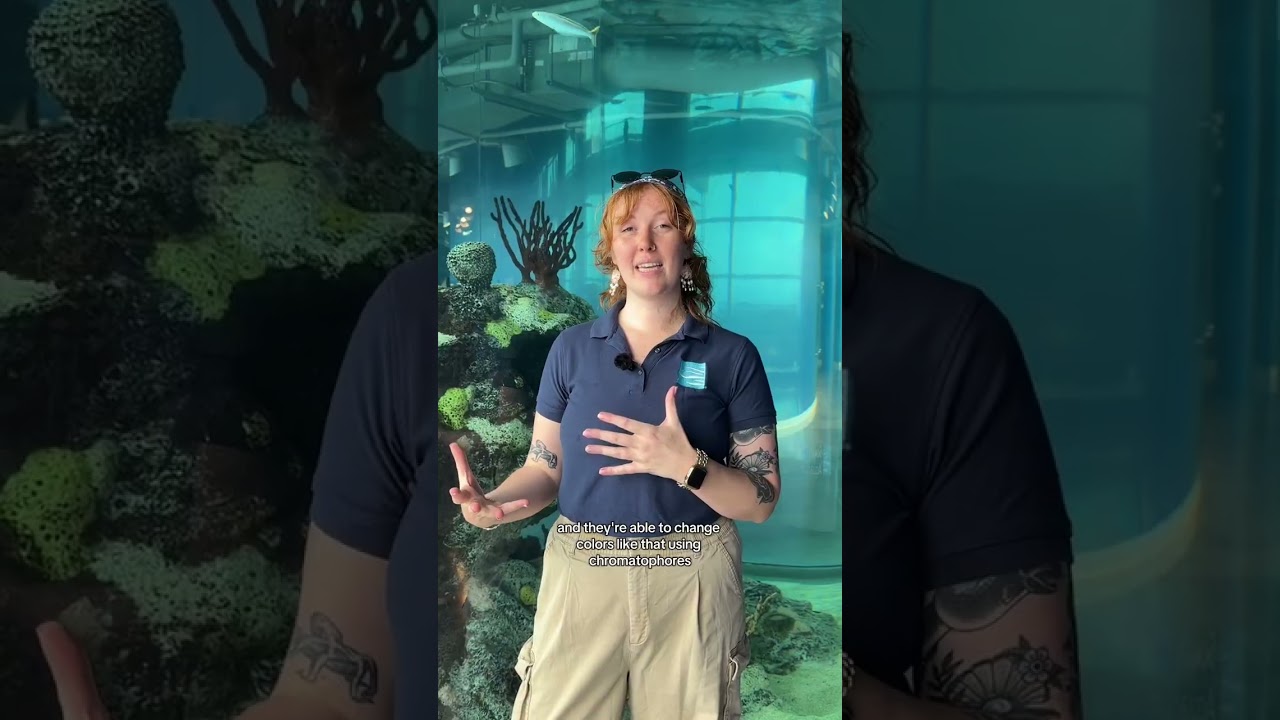
- Overview of the ‘Introducing… a new fish to Carolina Seas!’ event and its significance for zoological institutions.
- Detailed analysis of the fish species being introduced, focusing on its biological and ecological characteristics.
- Exploration of zoo management practices in maintaining aquatic species and ensuring their welfare.
- Insights into wildlife conservation efforts, highlighting the role of aquariums in preserving marine biodiversity.
- Educational value of public exhibitions in fostering environmental awareness and appreciation for aquatic life.
The announcement of a new addition to the Carolina Seas exhibit is a significant event, not only for the facility but for marine enthusiasts and conservationists worldwide. This article delves into the multifaceted aspects surrounding the introduction of a new fish species, emphasizing the seamless blend of education, conservation, and entertainment.
Overview of the ‘Introducing… a new fish to Carolina Seas!’ event and its significance
This event marks a major milestone in the ongoing development of Carolina Seas, an exhibit that embodies a commitment to showcasing the diversity of marine life. Presenting new species serves both educational and conservation purposes. It provides a platform for zoological institutions to educate the public while actively participating in global wildlife conservation efforts.
The allure of the Carolina Seas exhibit lies not only in its visual appeal but also in its ability to inspire curiosity. This introduction is more than just a display; it reflects a dedication to environmental stewardship and highlights the importance of biodiversity. By acquainting visitors with marine species, zoological institutions play a critical role in fostering a connection between humans and the natural world.
Detailed analysis of the fish species being introduced
The newly introduced fish species, unique to the Carolina Seas exhibit, is noteworthy for both its striking appearance and ecological significance. This fish belongs to a diverse group known for its adaptability to various marine environments. Its biological features offer insights into evolutionary adaptations, such as its vibrant coloration, which serves as both camouflage and communication.
Ecologically, this species plays an important role in its native habitat. As a mid-level predator, it helps maintain balance within the ecosystem by regulating prey populations. Understanding its role in the food web is critical for comprehending broader ecological interactions. The specifics of its diet, breeding habits, and social behaviors provide invaluable data contributing to marine biology research.
Zoo management practices in maintaining aquatic species
Managing an aquatic exhibit with diverse species requires a comprehensive understanding of animal care, aquatic ecology, and exhibit design. Effective zoo management involves monitoring water quality, maintaining appropriate habitats, and ensuring the health and well-being of the species. Carolina Seas employs state-of-the-art technology to replicate natural environments, offering each fish species the conditions necessary for thriving.
Staff expertise is crucial. Aquarists and veterinarians work collaboratively to oversee daily care routines, monitor health indicators, and implement enrichment activities. By simulating natural challenges and opportunities, these professionals foster physical and mental stimulation for aquatic species. This commitment to excellence in care not only promotes longevity but enhances visitor engagement by showcasing active, healthy animals.
Insights into wildlife conservation efforts
Wildlife conservation is central to the mission of modern aquariums. The introduction of a new fish to Carolina Seas is emblematic of broader conservation efforts aimed at preserving aquatic biodiversity. By participating in breeding programs, collaborating with research institutions, and funding habitat restoration projects, aquariums contribute meaningfully to species conservation.
Carolina Seas’ focus extends beyond exhibition. The facility champions initiatives that address threats such as overfishing, habitat destruction, and climate change. Public education programs further these goals by raising awareness about the importance of marine conservation. Visitors learn about the critical need for sustainable practices that protect our oceans for future generations.
Educational value of public exhibitions
Public exhibitions like Carolina Seas serve as vital educational tools, fostering environmental awareness and appreciation for the complexities of aquatic ecosystems. By providing interactive experiences and informative displays, the exhibit encourages visitors to engage with marine life intellectually and emotionally. Such exposure nurtures an informed public, empowered to take action in support of environmental preservation.
Through collaborations with educators and community organizations, the Carolina Seas exhibit reaches diverse audiences. School programs, guided tours, and virtual field trips extend the exhibit’s reach, ensuring that knowledge about marine conservation is accessible and engaging. Carolina Seas embodies a commitment to lifelong learning, transforming curiosity into conservation action.
The story of ‘Introducing… a new fish to Carolina Seas!’ is a testament to the comprehensive effort and dedication required to maintain and enhance zoological exhibits. It underscores the pivotal role of aquariums in promoting biodiversity, conservation, and education, thereby enriching our understanding of the natural world.
*****
Source Description
