
- The importance of small actions in conservation efforts
- Educational initiatives promoting everyday conservation
- The role of zoos in wildlife protection and education
- How individuals and families can participate in conservation
- The long-term impact of local actions on global conservation efforts
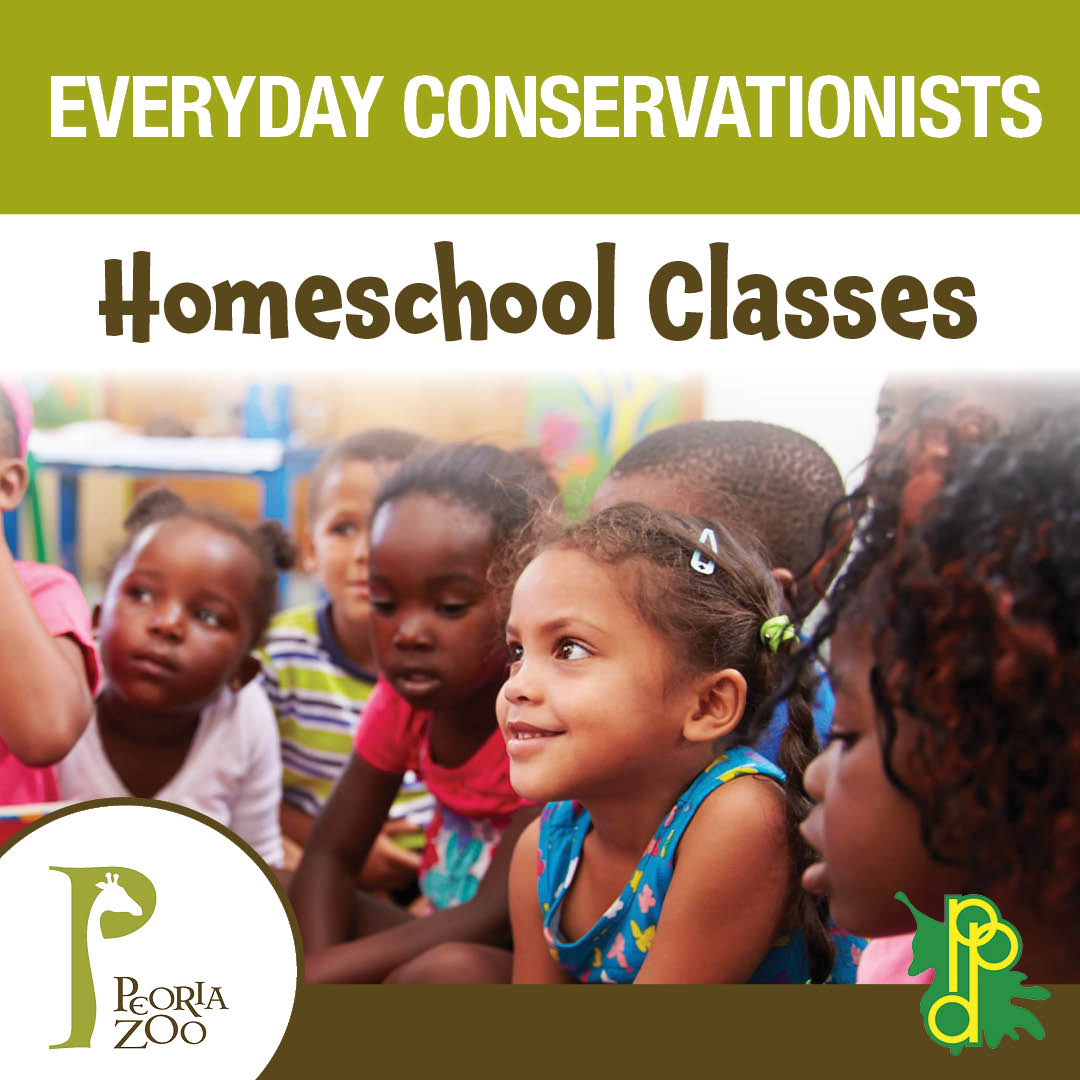
The phrase “Big change starts with small actions” is more than a slogan; it is the foundation of meaningful conservation efforts globally. In a world where environmental issues often seem insurmountable, breaking down large-scale problems into manageable steps can lead to significant change. The Peoria Zoo’s initiative, Everyday Conservationists, exemplifies this approach by providing educational opportunities for students to learn how simple everyday actions can contribute to wildlife conservation.
Understanding that every small action makes a difference is critical. Each piece of litter picked up, every animal habitat preserved, and all energy conserved contribute to broader ecological health. For instance, when individuals reduce water waste or opt for reusable bags, they contribute to reducing pollution and conserving resources. While these actions may seem small on their own, collectively, they can lead to substantial environmental benefits. This understanding is essential for developing a culture focused on conservation.
Educational initiatives like the one at Peoria Zoo serve to bridge the gap between awareness and action. Scheduled for May 13, from 10:00 AM to 11:30 AM, this program invites children aged 5-13 to engage with conservation in a fun and informative setting. By introducing students to the concept of Everyday Conservationists, the zoo aims to instill a sense of responsibility towards wildlife and their habitats. The program emphasizes that every child—and indeed every person—can contribute to the preservation of biodiversity.
Zoos play a pivotal role in wildlife conservation. They are not merely places for entertainment but legitimate centers for education, research, and advocacy. At the Peoria Zoo, for example, animals are housed in environments that mimic their natural habitats as closely as possible. This setup encourages natural behaviors and helps visitors understand the species’ needs. In doing so, zoos raise awareness about threatened species and educate the public on the importance of preserving their habitats.
The Everyday Conservationists program highlights the connection between wildlife and community involvement. Families are encouraged to participate not only as a means of bonding but also as a way to understand their unique role in conservation efforts. Simple actions can have ripple effects, inspiring choices that contribute to wildlife protection. For example, families can reduce their carbon footprints by biking or walking rather than using cars. This not only helps cut down on greenhouse gas emissions but also instills environmentally friendly habits in children.
Furthermore, participation in community conservation initiatives fosters a sense of connection with local and global ecosystems. Programs like Everyday Conservationists encourage families to explore their surroundings—parks, rivers, and wildlife areas. Such explorations often lead to a greater appreciation for nature and increased awareness of the threats facing local wildlife. Discovering how nearby ecosystems function can motivate families to take ownership of their local environment and encourage community-driven conservation projects.
Innovative programs also emphasize the significance of sustainable consumer habits. As part of learning about conservation, participants will explore topics related to responsible consumption. This lays the groundwork for understanding how purchasing decisions can impact wildlife and habitats. By opting for sustainably sourced products or supporting local wildlife organizations, individuals can further ripple positive impacts throughout their communities.
Involving children in conservation education fosters a culture of stewardship that can influence their peers and families. These young conservationists can become advocates for their causes, leading by example and motivating others to consider how their actions affect the environment. Engaging students early on nurtures a generation committed to preserving biodiversity and protecting endangered species.
A vital aspect of conservation is fostering partnerships between zoos, communities, and organizations. The Peoria Zoo serves as an example of how these relationships can benefit wildlife protection initiatives. Collaborations can help expand resources, share knowledge, and increase outreach. The zoo’s commitment to education and conservation makes it a vital part of the community’s environmental efforts. Such collaborations can result in community clean-up days, tree plantings, or wildlife habitat restorations.
The initiative led by the Peoria Zoo serves as an excellent model of how local actions can have global implications. When individuals engage in conservation efforts, they contribute to larger networks of advocates committed to protecting our planet. Grassroots movements often bring about policy changes, push for better environmental regulations, and promote sustainable practices that are necessary for the health of our ecosystems.
While local actions matter, awareness of global conservation challenges is just as important. Programs like Everyday Conservationists educate participants about the issues at stake, including habitat destruction, climate change, and poaching. Understanding these challenges encourages participants to become informed advocates who champion wildlife protection far beyond their immediate surroundings.
Engaging children in practices such as wildlife photography, journaling about local flora and fauna, or even creating art inspired by nature can further deepen their connection to the environment. These activities can spark creativity while also highlighting the beauty and importance of biodiversity. Children who develop skills in observation and appreciation of nature will likely carry these values into adulthood.
The Peoria Zoo exemplifies the notion that conservation efforts must be exciting and relevant. Its educational programming brings young people into conversations about wildlife and their habitats. By shifting the focus from passive observation to active participation, zoos can inspire the next generation of conservationists.
This initiative is not only about education; it imparts the crucial message that everyone has a role in wildlife conservation. Whether it is through participating in community projects, adopting more sustainable habits, or simply spreading the word about conservation, individuals can make a tangible difference. Every action counts, and encouraging small changes can lead to monumental shifts in how communities engage with their environment.
Supporting organizations like the Peoria Zoo extends beyond a single event or program; it promotes a community-wide commitment to wildlife conservation. Participants leave not just with knowledge, but with a sense of purpose and an understanding of the larger implications of their everyday actions.
In summary, the Peoria Zoo’s Everyday Conservationists program underscores that small actions can lead to significant changes in wildlife conservation. By instilling a deep understanding of the relationship between individual choices and community impact, participants can help shape a more sustainable future. Through education, engagement, and grassroots efforts, every person has the potential to contribute to the fight against biodiversity loss.
By participating in such programs, families are not just learning; they are becoming ambassadors for conservation. As small actions become integrated into daily living, they cultivate a culture of environmental stewardship that can endure for generations. The ripple effect initiated by such initiatives is profound and necessary for the preservation of our natural world.
*****
Source Description
Big change starts with small actions 🌎🐾
Join us at Peoria Zoo for Everyday Conservationists, where students will discover simple ways people can help protect animals and their habitats every day–and how they can make a difference too!
📅 May 13 | 10:00 – 11:30 AM
🚸 Ages 5-13
💵 Members: $8 | Non-Members: $16 | per student or parent
🎟️Advance registration required: https://ow.ly/3vRs50YK4M5
