
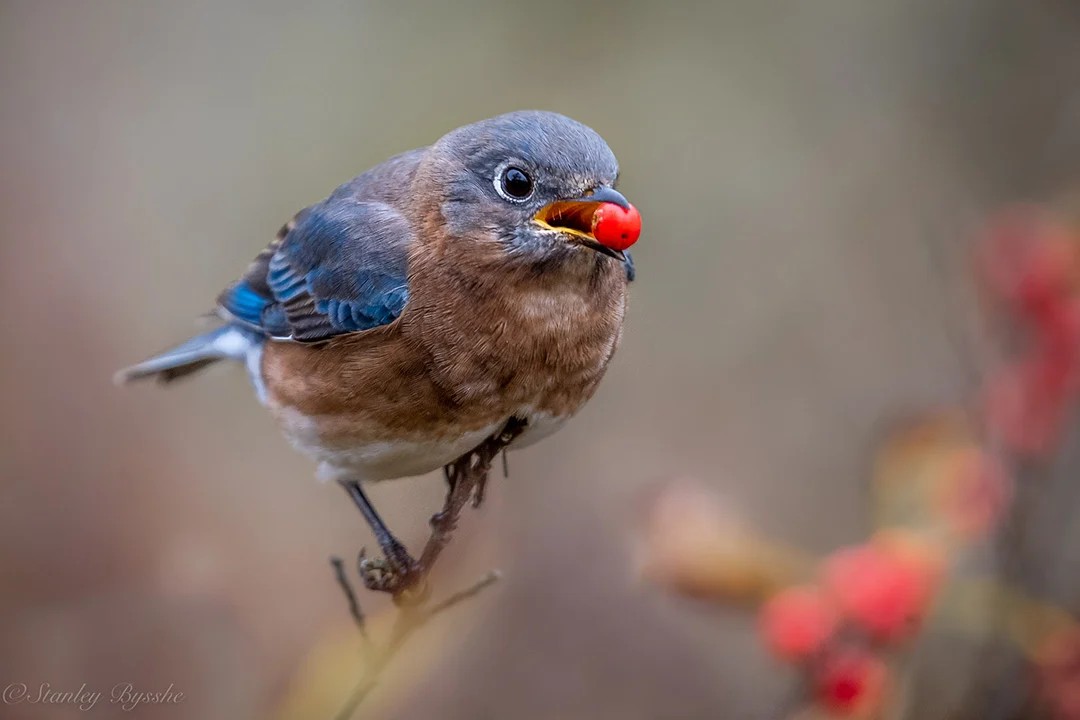
- At least 1 billion birds collide with buildings in the U.S. each year, highlighting a significant conservation issue.
- The AZA’s SAFESongbirds initiative promotes bird-friendly design in zoos and aquariums to mitigate these impacts.
- Thoughtful design choices in buildings, landscaping, and lighting can greatly reduce bird fatalities while allowing human and wildlife interactions.
- Leading institutions like the National Aquarium and various zoos are pioneering strategies for bird-safe designs and operations.
- Community engagement and education are pivotal for raising awareness and encouraging action towards bird conservation.
The staggering statistic of at least 1 billion birds colliding with buildings in the United States each year underscores a critical environmental concern. This issue goes beyond mere numbers; it reflects a complex interplay between urban development and avian behavior. These collisions occur when birds fly into glass facades, reflective surfaces, and poorly designed structures. The urban landscape poses various hazards for migratory birds and year-round residents alike.
In response to this mounting crisis, the Association of Zoos & Aquariums (AZA) launched the SAFESongbirds initiative in 2019. This program focuses on championing bird-friendly design and operational practices across zoological and aquarium institutions. Without proactive measures, these buildings remain dangerous for birds, resulting in loss of life and biodiversity.
One fundamental aspect of the SAFESongbirds mission is to encourage zoos and aquariums to integrate thoughtful design elements. Such deliberate architectural choices can transform campuses into safe habitats rather than lethal traps. The initiative advocates for changes in building materials, landscaping practices, and lighting strategies that prioritize avian safety. For example, using frosted or patterned glass can significantly reduce collision risks, as it makes the structures more visible. Moreover, strategic landscaping can create natural barriers that guide birds away from hazardous areas.
Zoos and aquariums also have unique opportunities to educate the public. By making their campuses bird-safe, these institutions serve as living laboratories for sustainable design. They can showcase how thoughtful architecture not only protects wildlife but fosters harmony between nature and urban life. This educational aspect is crucial. Engaging visitors through informational signage, interactive exhibits, and community programs can help raise awareness about bird conservation challenges.
Several institutions have taken noteworthy steps in implementing bird-safe designs. The National Aquarium has led significant initiatives to rethink its campus layout and structure. Their commitment to bird-friendly practices includes collaborations with architects and wildlife experts. By doing so, they’ve established effective models that other organizations can emulate. The Columbus Zoo also exemplifies effective modifications by installing bird-safe windows and using strategic landscaping. Their actions demonstrate a clear commitment to both education and conservation.
The Houston Zoo, too, has made strides by focusing on lighting. They understand that excessive and unnecessary lighting can disorient birds, leading them to collide with structures. By utilizing downward-facing fixtures and minimizing light pollution, the zoo fosters a safer environment for passing birds, especially during migration seasons. These thoughtful actions underline a comprehensive approach to wildlife conservation that extends beyond existing infrastructure.
Cincinnati Zoo has also contributed to the conservation conversation. They have embraced the SAFESongbirds initiative by redesigning their campus with birds in mind. Their curriculum incorporates bird conservation in educational programming, helping visitors understand the realities these animals face in urban landscapes. Such proactive efforts not only protect birds but also foster a community that values and respects wildlife.
The Smithsonian National Zoo embodies a blend of education and practical measures. It integrates technology by employing motion sensors that control lighting based on bird activity patterns. This innovative approach minimizes the risk of collisions while providing valuable data for ongoing research. Their commitment showcases how scientific inquiry can lead to positive change for wildlife.
The challenges associated with bird building collisions are compounded by rapid urbanization and climate change. As cities expand, natural habitats are lost, forcing birds to adapt to artificial environments. Unfortunately, many of these adaptations expose them to risks they cannot navigate. Enacting effective design principles can greatly alleviate these pressures. A thorough understanding of avian behavior is critical in shaping these strategies to create safer urban landscapes.
Community involvement plays a vital role in raising awareness about bird conservation. Education on the risks associated with building collisions and the importance of bird-friendly design should extend beyond institutional walls. Local schools, conservation groups, and community organizations can contribute by organizing workshops, presentations, and citizen science initiatives. By empowering communities with knowledge, they become active participants in conservation efforts rather than passive observers.
Public advocacy for bird-friendly design can also influence legislation. Municipalities can establish guidelines and mandates for new projects, requiring bird-safe materials and practices. Collaborative efforts between architects, wildlife experts, and city planners can set a precedent for future urban development. As awareness increases, grassroots movements can drive policy changes at local and national levels.
In addition to architectural changes, landscaping practices should prioritize native plants. Native flora attracts local wildlife and establishes a more balanced ecosystem. When architects and landscape designers integrate native species into their designs, the natural habitat is enriched. This increases food sources for birds and enhances overall biodiversity in urban areas.
The overall impact of bird-friendly design is multifaceted. By reducing bird collisions, institutions not only contribute to species conservation but also enhance their community reputation. The commitment to sustainability and wildlife protection can inspire trust and encourage increased visitor engagement. As the public becomes more aware of the importance of these issues, they are likely to support institutions that prioritize avian safety.
Research continues to provide evidence that informed design can significantly reduce bird collisions. Studies show that implementing specific guidelines for building materials and layouts can lead to decreases in avian fatalities. Institutions actively involved in this research can share their findings with others, reinforcing a collaborative approach to conservation.
In conclusion, although the figure of 1 billion birds colliding with buildings is alarming, initiatives like AZA’s SAFESongbirds represent a critical step forward. The urgent need for bird-friendly designs in zoos and aquariums illustrates the impact that thoughtful architecture and landscaping can have on bird conservation. By creating safe spaces for birds, these institutions not only fulfill their conservation mission but also set examples for other organizations and communities. The collaboration between wildlife experts, architects, and local communities can drive change, enabling humans and wildlife to coexist more thoughtfully in our shared urban spaces. Through these collective efforts, a more harmonious future for both people and birds can be envisioned, highlighting the importance of understanding and mitigating the risks they face in an increasingly artificial world.
*****
Source Description
Did you know that at least 1 billion birds fall victim to building collisions each year in the U.S.? 🌇 Since forming in 2019, AZA’s @SAFESongbirds has shown that prioritizing bird-friendly design and operations on zoo and aquarium campuses is a critical piece of 🐦
move freely across AZA campuses, making their buildings, landscapes, and lighting choices part of their habitats.💡Thoughtful design at our facilities can reduce harm, allow people and wildlife to coexist, and provide useful examples for other types of institutions.
🪽 Stories of how members are “spreading their wings” and leading in bird-safe design and in Connect! ☁️ Fly to the link in bio for solutions from @NationalAquarium, @ColumbusZoo, @HoustonZoo, @CincinnatiZoo, @SmithsonianZoo, and
