
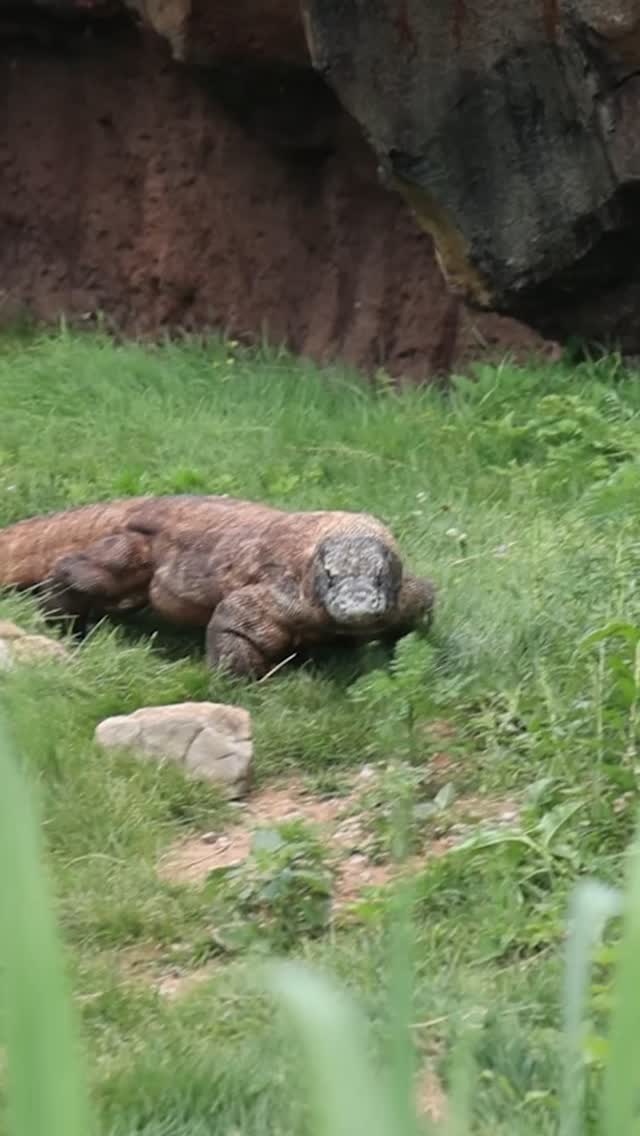
- The fascinating life of Komodo dragons, featuring Lil Sebastian, and their unique biological characteristics
- The role of zookeepers like Cayton in providing enrichment and care for Komodo dragons
- Understanding the diet and feeding habits of Komodo dragons through snacktime enrichment activities
- The importance of wildlife conservation and habitat protection for the survival of Komodo dragons
- Insights into zoo management and how it supports the wellbeing of the largest living lizards
Komodo dragons are among the most captivating creatures in the animal kingdom. Known for their impressive size, reaching up to ten feet in length and weighing around 150 pounds, these remarkable reptiles command attention. Lil Sebastian, the Komodo dragon, is no exception. With the help of Zookeeper Cayton, Lil Sebastian regularly participates in snacktime enrichment, an educational activity that benefits both the animal and those who keenly observe his behavior.
Komodo dragons possess several unique biological traits that set them apart from other reptiles. They are equipped with strong limbs, sharp claws, and serrated teeth, capable of tearing through the flesh of their prey. Their saliva contains anticoagulants and bacteria, contributing to an effective hunting mechanism. This makes them formidable predators in their natural habitat.
Zookeepers like Cayton play an essential role in the care and management of Komodo dragons. Their responsibilities include providing a stimulating environment, feeding, and regular health assessments. Snacktime enrichment is a critical component of this care. By varying the way food is presented, zookeepers ensure the physical and mental stimulation of the animals. This process serves to mimic natural foraging behaviors, helping maintain the health of zoo inhabitants like Lil Sebastian.
The diet of a Komodo dragon is diverse, consisting mainly of carrion, but they are also skilled hunters. They prey on a variety of species, including deer, pigs, and even large water buffalo. During snacktime, Lil Sebastian engages in activities that mirror these hunting behaviors. Forensic analyses show that these feeding practices support natural predation patterns, essential for maintaining the physical fitness and cognitive capacity of the dragons.
Critical to the survival of Komodo dragons is habitat protection and conservation efforts. With wild populations limited to a few Indonesian islands, they face threats from habitat destruction, climate change, and human activities. Conservation programs aim to safeguard these regions, supplementing them with captive breeding programs. By raising awareness, zoos can also educate the public on the importance of conserving these incredible creatures.
Zoo management is fundamental to ensuring the wellbeing and conservation of reptiles like Komodo dragons. It requires a combination of expertise in animal behavior, habitat design, and environmental enrichment. Zoos must continuously adapt to offer environments that closely simulate the natural habitats of their residents. This approach not only benefits the animals but promotes broader conservation goals.
In summary, understanding the life of Komodo dragons through the lens of snacktime enrichment offers a glimpse into the intricate web of care, conservation, and educational efforts that support these remarkable lizards. From the dedicated work of zookeepers to global conservation initiatives, every aspect plays a pivotal role in preserving the largest living lizards on the planet. Lil Sebastian, with the guidance of Zookeeper Cayton, exemplifies the power of dedicated care and the marvel of prehistoric life.
*****
Source Description
Prehistoric noms with Lil Sebastian 🦖
Join Lil Sebastian the Komodo dragon and Zookeeper Cayton for snacktime enrichment and learn more about the largest living lizards on the planet! 🦎
