
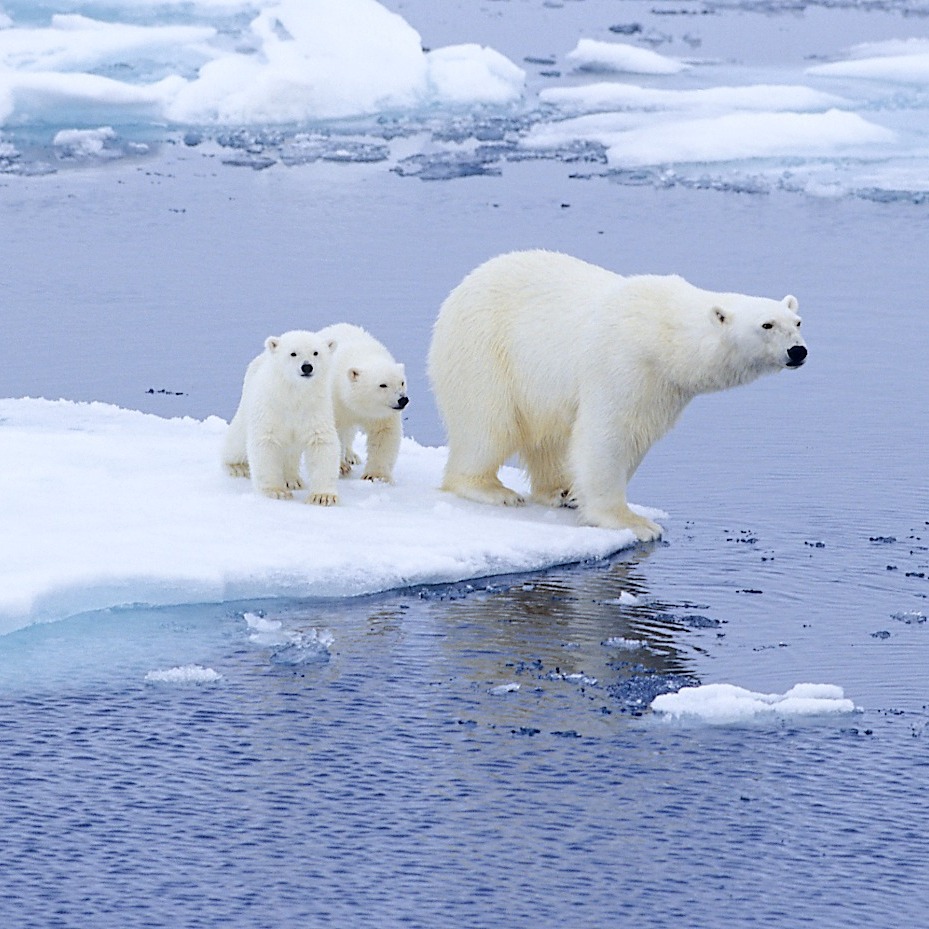
- Arctic Sea Ice Day emphasizes the critical role of sea ice in the Arctic ecosystem.
- The rapid warming of the Arctic region and its impact on sea ice loss.
- The implications for polar bears and other species that depend on Arctic sea ice.
- The importance of community engagement and advocacy for climate awareness.
- Strategies that individuals and communities can adopt to support Arctic conservation efforts.
Arctic Sea Ice Day is a significant occasion aimed at fostering awareness about the precarious state of sea ice in the Arctic. Observed on July 15, this day highlights the critical role that sea ice plays in the Arctic ecosystem, affecting a multitude of species and influencing global climate patterns. The Arctic region is warming four times faster than the rest of the planet, leading to alarming rates of sea ice loss. This issue not only threatens biodiversity but also has profound implications for the future survival of iconic species such as polar bears.
The Arctic ecosystem is intricately balanced, with sea ice serving as a fundamental component. Various species, including seals, seabirds, and polar bears, rely on sea ice for their habitat, breeding, and hunting grounds. The decline of sea ice disrupts this delicate balance, creating a cascade of effects that can lead to species vulnerability and extinction. The melting ice impacts food chains, altering what is available to these animals and how they interact with their environment.
The statistics surrounding Arctic warming are stark. According to the National Snow and Ice Data Center, the Arctic has experienced a decline of approximately 40 percent in summer sea ice since 1979. The frequency and intensity of extreme weather events are also increasing as a result of climate change. This warming can lead to alterations in ocean currents and atmospheric patterns, which further exacerbate the loss of sea ice. In addition, melting ice contributes to rising sea levels, affecting coastal communities around the globe.
Polar bears are among the most iconic species affected by this dramatic climate shift. Their reliance on sea ice as a platform for hunting seals—one of their primary food sources—means that as ice retreats, they face an increasing struggle to find food. Research has shown that polar bear populations in certain regions are declining, and many individuals are experiencing increased malnutrition and starvation. The potential extinction of these creatures casts a long shadow over the future of Arctic biodiversity.
It’s pivotal for individuals to engage with their communities about the importance of preserving Arctic sea ice and the species that depend on it. Sharing knowledge and spreading awareness can empower people to take action. Discussing climate change risks, the specific threats to the Arctic ecosystem, and the importance of individual responsibility can spark meaningful conversations. When communities come together to advocate for climate action, it amplifies the message and fosters a collective sense of responsibility.
Moreover, there are actionable steps that individuals can take to make a positive impact. Simple changes in everyday behavior—such as reducing energy use, opting for public transportation, and advocating for policies that support renewable energy—can contribute to a broader movement for climate action. Educational initiatives, local clean-up projects, and partnerships with organizations focused on Arctic preservation can also galvanize community involvement. In collaboration with groups like Polar Bears International, communities can harness a collective effort towards better practices and policies that address climate change.
Awareness initiatives, such as Arctic Sea Ice Day, can facilitate further understanding of the critical situation at hand. Educational programs in schools can expose young minds to the importance of the Arctic ecosystem and the science behind climate change. Zoos and wildlife organizations also play a crucial role by providing platforms for education and advocacy. They can engage visitors through exhibits and workshops that highlight the challenges faced by Arctic species, encouraging people to become advocates for conservation.
Digital platforms and social media can amplify awareness campaigns, reaching a broader audience. By sharing graphics, articles, and personal stories, individuals can highlight the significance of the Arctic and its biodiversity, making the abstract impacts of climate change more tangible. The more people realize the stakes involved—both locally and globally—the more likely they are to take action.
The interconnectedness of ecosystems means that changes in the Arctic can have repercussions beyond its geographical boundaries. The ocean currents that flow from the Arctic influence weather patterns worldwide. This aspect underscores the importance of global solidarity in both acknowledging the problem and developing effective solutions.
While governmental policies at national and international levels are crucial for meaningful climate change mitigation, grassroots activism can generate essential public pressure for these policies. Engagement at the community level not only fosters local awareness but contributes to a larger movement for climate action.
As Arctic Sea Ice Day unfolds, let it serve as a reminder of the fragility of the Arctic ecosystem. The threats posed by rising temperatures and shrinking ice sheets are significant not just for polar bears, but for the entire planet. By fostering understanding and galvanizing action, individuals and communities can contribute to mitigating climate change and preserving the Arctic.
The impacts of climate change in the Arctic are evident, but so is the potential for collective action. By harnessing the power of community, advocates can create a wave of support for policies that address these urgent issues. Whether through speeches, discussions, or educational initiatives, the opportunity to spread awareness about sea ice loss is invaluable.
Understanding the science of climate change and its implications for sea ice in the Arctic is essential. Educators and community leaders can distill complex information into accessible formats that resonate with diverse audiences. Workshops, webinars, and community discussions that address the situation in the Arctic can help elevate the issue and encourage proactive responses.
As the Arctic continues to warm and sea ice disappears, the urgency for collective action intensifies. Communities can channel this urgency by supporting organizations dedicated to conservation and by engaging in sustainable practices. Every small action contributes to a larger narrative of climate justice and ecological preservation.
The plight of polar bears serves as a poignant symbol of the broader climate crisis. By bringing awareness to their declining populations and the role sea ice plays in their survival, we can inspire empathy and action. Celebrating Arctic Sea Ice Day serves as a crucial opportunity to remind each other that the health of the Arctic is fundamental to the well-being of the planet.
Everyone has a stake in this issue, regardless of where they live. The interconnected nature of climate systems means actions taken to mitigate climate change in one area can reverberate through ecosystems everywhere. The melting ice in the Arctic is not an isolated problem; it requires a global response and a commitment to change.
As citizens, acknowledging the urgency of the situation is key. Engaging in conversations that encompass the significance of Arctic sea ice can stimulate action beyond the confines of one’s immediate community. The drive to create a more sustainable world necessitates collaboration, innovation, and a willingness to challenge the status quo.
Ultimately, July 15 serves as a reminder of what is at stake, but it also encourages positive action. The collective awareness and action around Arctic Sea Ice Day can help protect vital ecosystems and the species that inhabit them. By working together, we can contribute to a more sustainable future for both the Arctic and our planet as a whole. Through education, advocacy, and meaningful engagement, there is hope for the polar bears and their frozen habitat in the years to come.
*****
Source Description
Today, July 15, is Arctic Sea Ice Day. We’re teaming up with our friends at @polarbearsinternational to bring awareness to this important day.
was created to draw attention to sea ice loss in the Arctic, an ecosystem many species depend on. The Arctic is warming FOUR TIMES as fast as the rest of the planet, causing the sea ice to melt. If the Arctic continues to warm at the current rates, we will see fewer polar bears in fewer places, making them more vulnerable to extinction.
Concern for the climate is normal. Talk with your friends, families and communities about why you care about the Arctic, what’s at stake and what we can do about it!
