
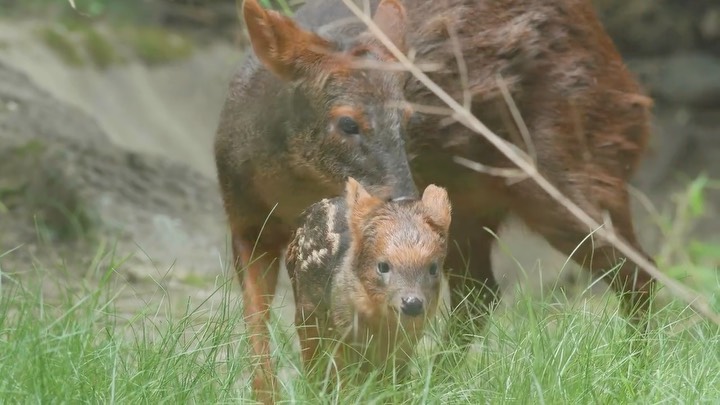
- Introduction to the southern pudu as one of the world’s smallest deer species
- The role of zoos in conservation and breeding programs
- The significance of pudu births for the species’ survival
- Overview of the Queens Zoo’s contributions to pudu conservation
- Visitor experience and educational outreach related to pudus
The southern pudu (Pudu puda) stands out as one of the world’s smallest deer species. Native to the temperate rainforests of southern Chile and Argentina, this compact creature is remarkable not just for its size but also for its status as a Near-Threatened species. Recently, the Queens Zoo welcomed a new pudu fawn, born in late May at approximately two pounds. This small birth has larger implications for the future of the species.
One cannot overstate the importance of zoo-based conservation efforts. The Association of Zoos & Aquariums (AZA) Species Survival Plan (SSP) is a synergistic initiative where accredited zoos collaborate on genetic management and breeding. This initiative aims to maintain healthy and genetically diverse populations of various species, including the pudu. Since the creation of the pudu program at the Queens Zoo in 2005, they have recorded the birth of nine pudu fawns. Currently, the zoo features three pudus on exhibit, allowing visitors to appreciate these small wonders up close.
The significance of pudu births extends beyond individual animals. Declining habitats and hunting pressures have positioned pudus as Near-Threatened, making the role of breeding programs vital for their survival. Breeding activities not only help to bolster the genetic diversity of the species but also serve as a safeguard against extinction. Every fawn born represents hope for enhanced population stability, which is increasingly crucial given the ecological pressures faced by these adorable creatures.
The Queens Zoo’s commitment to pudu conservation has an excellent framework. Through partnerships with the AZA, the zoo actively participates in conservation initiatives that suit ecological and behavioral needs of the pudu. The combination of spacious enclosures that simulate their natural habitat and expert care helps ensure the health and well-being of these animals. Each pudu born at the zoo represents a step forward in reversing the trajectory of decline for this species, underscoring the zoo’s essential role in conservation efforts.
For visitors, witnessing a pudu fawn in person is an unforgettable experience. The Queens Zoo aims to connect people with wildlife, inspiring them to appreciate the importance of conservation. Through educational programming and engaging exhibits, the zoo facilitates a deeper understanding of pudus and the challenges they face. Programs highlight not only the fragility of their existence but also the proactive measures being taken to ensure their survival.
Pudus themselves are fascinating creatures. They are characterized by their small stature, with adults standing about 14 inches tall at the shoulder and weighing no more than 20 to 30 pounds. Their dark brown coats serve as camouflage in their natural habitat. In the wild, pudus primarily feed on leaves, fruits, and shrubs. They have a diet that is suited to their ecology, enabling them to thrive in densely forested environments.
Socially, pudus are generally solitary creatures. They exhibit some forms of social behavior, particularly during mating season. Males often engage in displays of strength to attract females, but interactions usually remain limited otherwise. This solitary nature can make breeding initiatives more complicated, emphasizing the importance of socialization in controlled environments like those found in zoos.
Conservation efforts for pudus extend beyond breeding programs. Habitat preservation is equally crucial. Forest ecosystems in South America face threats from deforestation and agriculture. By advocating for habitat protection and restoration, organizations working in tandem with zoos can potentially provide safer environments for these deer. This multi-faceted approach is vital to the long-term sustainability of pudus.
The Queens Zoo encourages active involvement from the community. Participating in conservation efforts, from volunteering to educational programming, can significantly impact wildlife protection initiatives. Engaging the public creates a sense of shared responsibility and awareness about conservation issues. Educating visitors on how to protect ecosystems helps cultivate environmental stewardship, fostering a culture of care for wildlife both locally and globally.
The birth of the new pudu fawn is not just an addition to the zoo; it is a symbol of hope for the future of the species. As one of the very few accredited institutions working with pudus, the Queens Zoo plays a pivotal role in this narrative. The fawn’s growth will be closely monitored, providing zoo staff and visitors with further opportunities for learning and engagement.
In addition to breeding, ongoing research is necessary for informed management practices. Studies on the genetics, behavior, and ecology of pudus provide critical insights that guide conservation strategies. This scientific approach enhances understanding and facilitates better care and breeding conditions in zoos, contributing significantly to survival rates.
The public’s curiosity about pudus can also serve as a powerful tool for conservation advocacy. As visitors engage with these animals, their interest can translate into action—supporting conservation projects, spreading awareness, or advocating for policy changes related to wildlife protection. This ripple effect underscores the impact of individual connections with animals and the role of zoos in fostering these relationships.
Moreover, sharing stories about pudus helps to highlight broader conservation messages relevant to other threatened species. The plight of the pudu mirrors challenges faced by many others, making it a case study for various conservation initiatives. This knowledge exchange is vital in raising awareness about environmental issues at a global scale.
With each passing year, the Pudus at the Queens Zoo offer more than just a captivating sight; they become part of a larger narrative about conservation and species survival. Each fawn that arrives is not merely a momentous event but a link in the chain of conservation efforts critical for sustaining natural biodiversity.
Research projects focusing on pudus reveal insights that may transcend species lines, contributing to a more profound understanding of wildlife health and conservation. Insightful studies have shown how habitat fragmentation leads to vulnerability among small species like the pudu, underscoring the need for integrated wildlife management strategies that encompass multiple species within an ecosystem.
The fascinating yet fragile existence of pudus serves to remind us of the intimate connection between human actions and wildlife survival. It highlights the essential role zoos play in preserving biodiversity. These establishments offer more than just a venue for viewing animals; they are centers for education, research, and active participation in wildlife conservation.
The arrival of the new pudu fawn at the Queens Zoo is a noteworthy instance that underscores the importance of sustained efforts to protect endangered species. The collaborative initiatives spearheaded by organizations like the AZA demonstrate the power of collective action. Efforts today lay the groundwork for future generations of pudus and other species facing similar challenges.
As visitors flock to witness the diminutive pudu fawn, the message is clear: conservation is a shared responsibility. The combined efforts of zoos, researchers, and the public can make a substantial difference in ensuring that species like the pudu continue to thrive. By nurturing a passion for wildlife conservation, we can foster a world where future generations may also enjoy the sight of these remarkable little deer.
*****
Source Description
Say hello to our new pudu fawn! As you may know, pudus are one of the world’s smallest deer species. This little fawn was born in late May at about two pounds. Although small, the fawn is a big win for the Near-Threatened species.
The Queens Zoo breeds southern pudu as a member of the Association of Zoos & Aquariums Species Survival Plan where accredited zoos collaborate to maintain genetically diverse and healthy populations of hundreds of species. Since establishing the pudu program in 2005, nine fawns have been born at the Queens Zoo. There are currently three pudu on exhibit.
Fawn over one of the Queens Zoo’s newest additions at the zoo today!
