
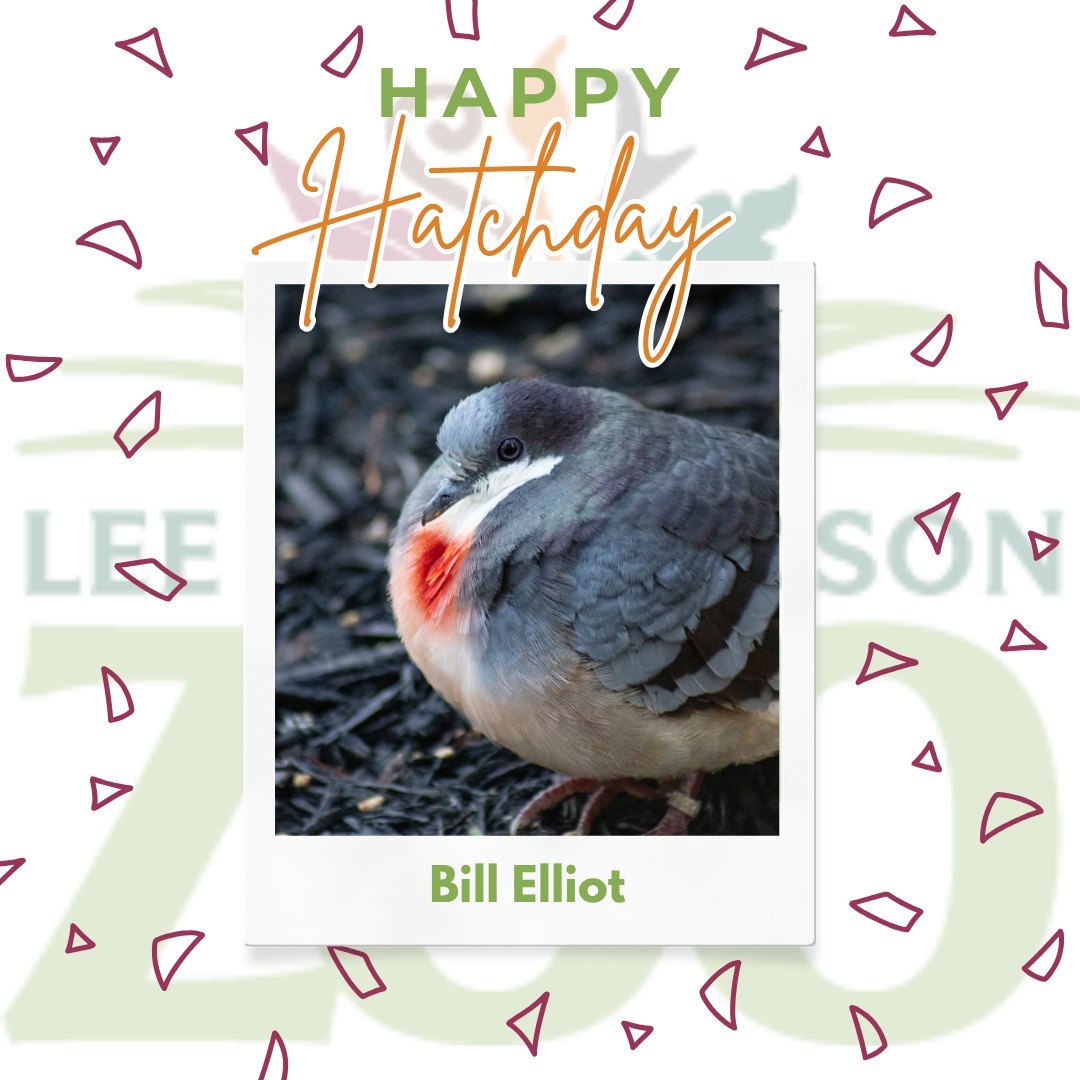
- The biology and characteristics of the Luzon bleeding heart dove.
- The importance of the Luzon bleeding heart dove in its native habitat.
- The role of zoos in wildlife conservation and species preservation.
- Bill Elliot’s specific care and social interaction in a controlled environment.
- Upcoming conservation initiatives related to the Luzon bleeding heart dove.
Bill Elliot, the Luzon bleeding heart dove, celebrates his 11th birthday, providing an opportunity to focus on this remarkable bird. Bill is not just an individual; he represents a species whose survival hangs in the balance. The Luzon bleeding heart dove, scientifically known as Gallicolumba luzonica, is a symbol of tropical biodiversity.
This species is characterized by its striking appearance. The males showcase a soft shade of brown, complementing a distinctive deep chestnut-colored heart pattern on their chest, which gives them their name. They possess a suite of unique physical adaptations that make them well-suited for their ecological niche. Their relatively small size aids in maneuverability through dense foliage and forest understories. Their diet mainly consists of seeds, fruits, and occasionally insects, allowing them to thrive in their native tropical forests.
However, these stunning birds are endangered. Habitat loss due to deforestation, urban development, and agriculture threatens their existence. Once abundant in the Philippines, the Luzon bleeding heart dove’s population has dramatically decreased. Awareness surrounding their plight is crucial, and Bill Elliot serves as an ambassador for his species, shedding light on the importance of conservation efforts.
Zoos and wildlife sanctuaries play a vital role in conserving species like the Luzon bleeding heart dove. These institutions provide a controlled environment where endangered species can thrive while educating the public about their ecological importance. By housing Bill and now his new companion Ophelia, care teams can closely monitor their health, behavior, and breeding patterns. This monitoring is essential for understanding the species’ needs and challenges they face in the wild.
The outdoor flight area where Bill and Ophelia reside simulates their natural habitat. By allowing them to interact in a spacious aviary, caretakers observe natural behaviors that would occur in the wild. This setting fosters healthy social relationships and gives insights into breeding habits. Zoos often engage in breeding programs that can ultimately facilitate genetic diversity, which is vital for species survival.
Bill’s new companion, Ophelia, marks a significant development in his life. The introduction of a mate often leads to improved mental health and well-being for many bird species, particularly those known for their social nature. When pairs bond, it can enhance reproductive success and provide insight into the overall species’ behavioral ecology. Their interactions also offer zoo staff and visitors an opportunity to witness the fascinating courtship rituals that characterize Luzon bleeding heart doves.
The educational value that Bill and Ophelia present extends beyond their immediate care. Zoos often conduct outreach programs aimed at fostering community involvement in conservation. They focus on educating visitors about habitat preservation, responsible tourism, and the impacts of climate change. Every visit provides guests with the chance to learn how to contribute to global conservation efforts.
Bill’s hatchday serves as a reminder that every individual represents a piece of a larger ecosystem and emphasizes the importance of collective action in conservation. Specifically, the survival of the Luzon bleeding heart dove relies on varied efforts, from local conservation initiatives to global awareness campaigns. Among the most encouraging aspects of these efforts is the collaboration between zoos and conservation organizations, allowing for a unified approach to wildlife management.
As Bill and Ophelia navigate their social lives, zoo staff are continuously developing strategies for future conservation initiatives. Many of these programs focus not only on breeding for genetic diversity but also on reintroducing species to their native habitats. Active partnerships with local governments and NGOs aim to restore degraded habitats, protect remaining populations, and educate local communities about protecting these unique species.
While Bill Elliot celebrates his 11th birthday, the focus should remain on community support and involvement in ongoing efforts to protect endangered species like the Luzon bleeding heart dove. Visitors can contribute by participating in zoo programs, spreading awareness on social media, or even supporting organizations dedicated to conservation. Each action taken in support of wildlife helps secure a future for species at risk.
Bill, the Luzon bleeding heart dove, is more than just a resident of an aviary; he is an emblem of hope within the broader context of wildlife conservation. By engaging people through education and providing a safe haven for these beautiful birds, zoos contribute significantly to the understanding and preservation of biodiversity. Bill and Ophelia not only inspire visitors to learn about their species but also encourage active participation in conservation efforts aimed at securing a sustainable future for wildlife.
With the ongoing challenges of habitat loss and the many pressures faced by wildlife today, the story of Bill and Ophelia is a call to action. As they flourish in their outdoor flight area, they serve as constant reminders of our responsibility towards preserving the rich biodiversity that characterizes our planet. By nurturing such beautiful creatures, we actively participate in the fight against extinction and pave the way for future generations to witness the wonders of nature.
Ultimately, knowledge about species like the Luzon bleeding heart dove rests in our hands. Bill Elliot’s journey, paired with Ophelia’s arrival, encapsulates the urgent need for awareness, education, and conservation initiatives. Each of us has a role in ensuring that these magnificent birds and other endangered species not only survive but thrive. With collective effort, we can safeguard the beauty of nature for years to come.
*****
Source Description
BILL! BILL! BILL!
Bill Elliot, the Luzon bleeding heart dove, is 11 today!
Bill was recently introduced to a new lady friend, Ophelia and they’re hitting if off smashingly! The pair can be visited in the outdoor flight area of the aviary.
Happy Hatchday Bill!
