
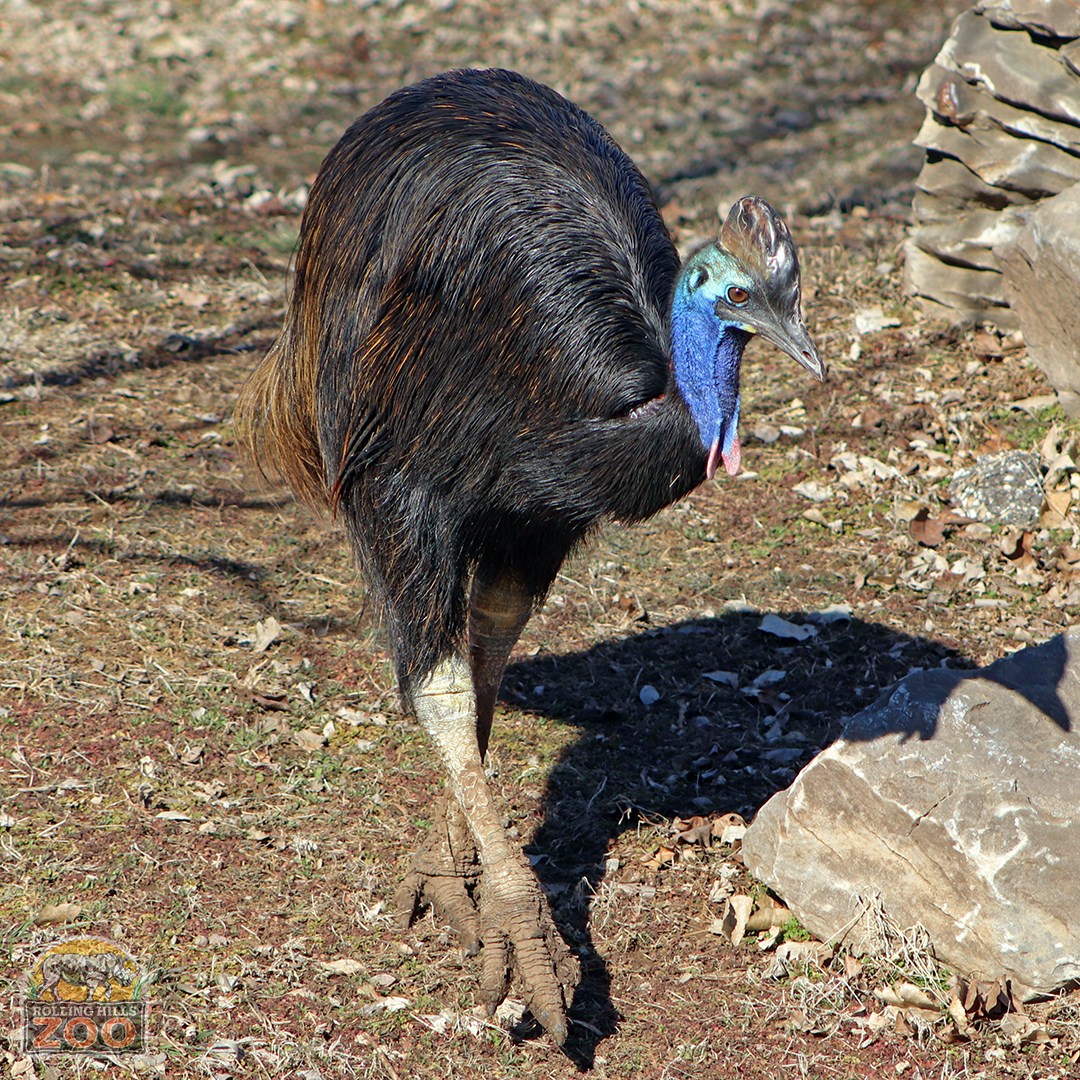
- Happy World Cassowary Day: Celebrating Lembu at RHZ
- The Ecological Role of Cassowaries
- Threats Facing Cassowaries in the Wild
- Fascinating Traits and Characteristics of Cassowaries
- The Importance of Conservation Efforts
Happy World Cassowary Day! Today, we celebrate Lembu, the resident cassowary at Rolling Hills Zoo (RHZ). This remarkable bird offers us a unique opportunity to appreciate the vital role cassowaries play in their ecosystems. Understanding these birds’ traits and the challenges they face provides context for our conservation efforts.
Cassowaries, often regarded as the “rainforest gardeners” of Australia and New Guinea, contribute significantly to their environments. They are vital seed dispersers, playing an essential part in maintaining the health and diversity of tropical forests. When cassowaries consume fruits, they swallow them whole, allowing seeds to travel through their digestive systems. Once excreted, these seeds can germinate far from the parent plant. This dispersal mechanism not only supports the growth of new plants but also contributes to overall forest health, ensuring biodiversity.
Despite their ecological importance, cassowaries are classified as Vulnerable by the International Union for Conservation of Nature (IUCN). Multiple factors threaten their survival. Habitat loss is the most significant issue. As urban development and agriculture encroach on their natural habitats, cassowaries lose the space they need for foraging and nesting. In addition, vehicle strikes pose another significant danger, as these large birds often traverse roadways in search of food. Dog attacks also contribute to the decline in cassowary populations. These threats underscore the urgent need for habitat protection and responsible human behavior around cassowaries.
On this special day, it’s also essential to appreciate the remarkable traits of cassowaries. Standing up to 6 feet tall and weighing between 90 to 150 pounds, these birds are among the heaviest and most powerful flightless birds in the world. Their most striking feature is the casque—a helmet-like crest on their heads—used to break through dense underbrush. Despite their size, cassowaries are cautious and tend to avoid human contact. However, they can sprint at speeds of up to 30 miles per hour when threatened. Their adaptability to dense rainforest environments is a testament to their evolutionary success.
Education and awareness play critical roles in cassowary conservation. At RHZ, our connection with Lembu serves as a portal for engaging the community. By observing Lembu, visitors can learn about the significance of cassowaries and the ecosystems they inhabit. This interaction aims to “Touch Hearts, Ignite Passion, and inspire action” to protect wildlife. Sharing knowledge about cassowaries’ ecological roles encourages individuals to consider their impact on nature and the steps they can take to support conservation efforts.
Specific conservation initiatives focus on habitat protection. Preserving the rainforest ecosystems where cassowaries thrive is essential. Creating wildlife corridors can help connect fragmented habitats, allowing cassowaries safer routes for movement and food foraging. Collaborating with local communities is also imperative. Empowering them to understand and value the biodiversity in their surroundings fosters stewardship of the land. Education programs targeting schools and the wider community can raise awareness about the threats faced by cassowaries and inspire collective action.
Moreover, promoting responsible pet ownership is crucial. Educating dog owners about the risks their pets pose to wildlife can lead to safer environments for cassowaries. Initiatives encouraging leash laws in cassowary habitats can help reduce dog attacks significantly. Furthermore, signage near roads in cassowary habitats can alert drivers to the potential presence of these birds, thereby decreasing vehicle strikes.
Cassowaries have fascinating physiology as well. Their long, thin legs are equipped with three toes—each bearing a sharp claw that can be used for self-defense. This adaptation allows them to ward off predators, showcasing their duality as both gentle foragers and formidable defenders. Their plumage is unique, featuring blue and black coloring that aids in camouflage within their natural habitats.
Another captivating characteristic of cassowaries is their vocalizations. They communicate through a series of low-frequency sounds and deep booms that can travel over considerable distances. These calls serve various purposes, from attracting mates to signaling alarm in the presence of potential threats.
Across the globe, conservation organizations are working tirelessly to support cassowary populations. Grants and funding help to establish protected areas within their range, contributing to habitat conservation efforts. Research projects continuously monitor cassowary numbers and movements, providing necessary data to inform conservation strategies. By tracking these birds, scientists gain insights into their behaviors, dietary preferences, and reproductive patterns.
Engagement in such initiatives can lead to profound community benefits as well. People who participate in conservation programs often experience a heightened sense of connection to nature. This sense of community fosters a positive relationship between local residents and their environment. As they learn about the complexities of ecosystems, individuals find themselves motivated to participate in wildlife preservation.
On World Cassowary Day, we acknowledge not only the beauty and significance of Lembu but also the urgency to act on behalf of cassowaries everywhere. This event serves as a reminder of how interconnected life is on Earth. Understanding the ecological role of cassowaries and the challenges they face can motivate individuals to take action in their own lives.
By fostering a better understanding of cassowaries, we can open dialogues about broader issues, including climate change and habitat degradation. When communities rally together to protect their local biodiversity, they contribute to a more sustainable future for all. This shared responsibility challenges us to reflect on our relationship with wildlife and encourages us to act with intention.
Furthermore, the celebration of cassowaries through educational programs can lead to interesting partnerships between zoos, researchers, and conservation groups. Collaborative efforts strengthen the push for systemic changes to protect cassowary habitats and other regions where endangered species reside.
In addition to habitat protection, promoting ecotourism can generate important resources for conservation. Eco-friendly tourism initiatives provide economic benefits to local communities while raising awareness about wildlife preservation. Travelers who engage in responsible ecotourism often become advocates for conservation. This advocacy can help foster a culture of respect for nature and reinforce the importance of biodiversity.
Engaging young people also is an effective strategy for long-term conservation. School programs that educate children about wildlife encourage them to be active in advocacy roles from a young age. Children are our future stewards of the environment, and fostering a sense of wonder about wildlife—like bears, elephants, and, of course, cassowaries—actually cultivates a desire to protect these creatures.
As part of efforts to protect cassowaries, various research projects aim to delve deeper into their behavior and ecology. Understanding their breeding habits, territorial needs, and feeding patterns can inform habitat management practices. Such insights lead to improved strategies that align with the cassowaries’ natural life cycles.
Ecologists underscore the link between wildlife and healthy ecosystems. By protecting cassowaries, we not only safeguard an individual species but also help to maintain the overall biodiversity of tropical rainforests. This acknowledgment reinforces the fundamental principle that every species plays a role, however small it may seem.
Celebrating World Cassowary Day highlights our collective responsibility to promote a healthier planet. Through concerted efforts in education, protection, and advocacy, we can protect these incredible birds and ensure they continue to fulfill their role as “rainforest gardeners.” Lembu at Rolling Hills Zoo is more than just a bird; she is a beacon of hope for the future of cassowaries.
Engagement and education are essential in this journey toward conservation. Our connection with wildlife enriches our lives and enhances our sense of community. Together, we can take meaningful action to protect cassowaries and the ecosystems that sustain them. Let this day serve as a reminder of our commitment to preserving the beauty and diversity of life on our planet. Happy World Cassowary Day!
*****
Source Description
Everyone, let’s say “Happy World Cassowary Day” to Lembu, RHZ’s resident cassowary!
Cassowaries are often called the “rainforest gardeners” of Australia and New Guinea. These incredible birds play a vital role in their ecosystems by swallowing fruits whole and spreading seeds over long distances, helping to keep tropical forests thriving.
Sadly, cassowaries are considered Vulnerable in the wild. Their biggest threats include habitat loss, vehicle strikes, and dog attacks. Protecting their rainforest homes and creating safer spaces for them is crucial to their survival.
✨ Cool Cassowary Facts:
• They can stand up to 6 feet tall and are one of the heaviest bird species in the world.
• Their striking casque (the helmet-like crest on their head) helps them move through dense vegetation.
• Despite their size, they are shy and secretive, but can also powerful and fast when they need to be!
By connecting with Lembu here at Rolling Hills Zoo, we hope to Touch Hearts, Ignite Passion, and inspire action to Save Wildlife! Let’s keep these “rainforest gardeners” on this planet for future generations to come!
