
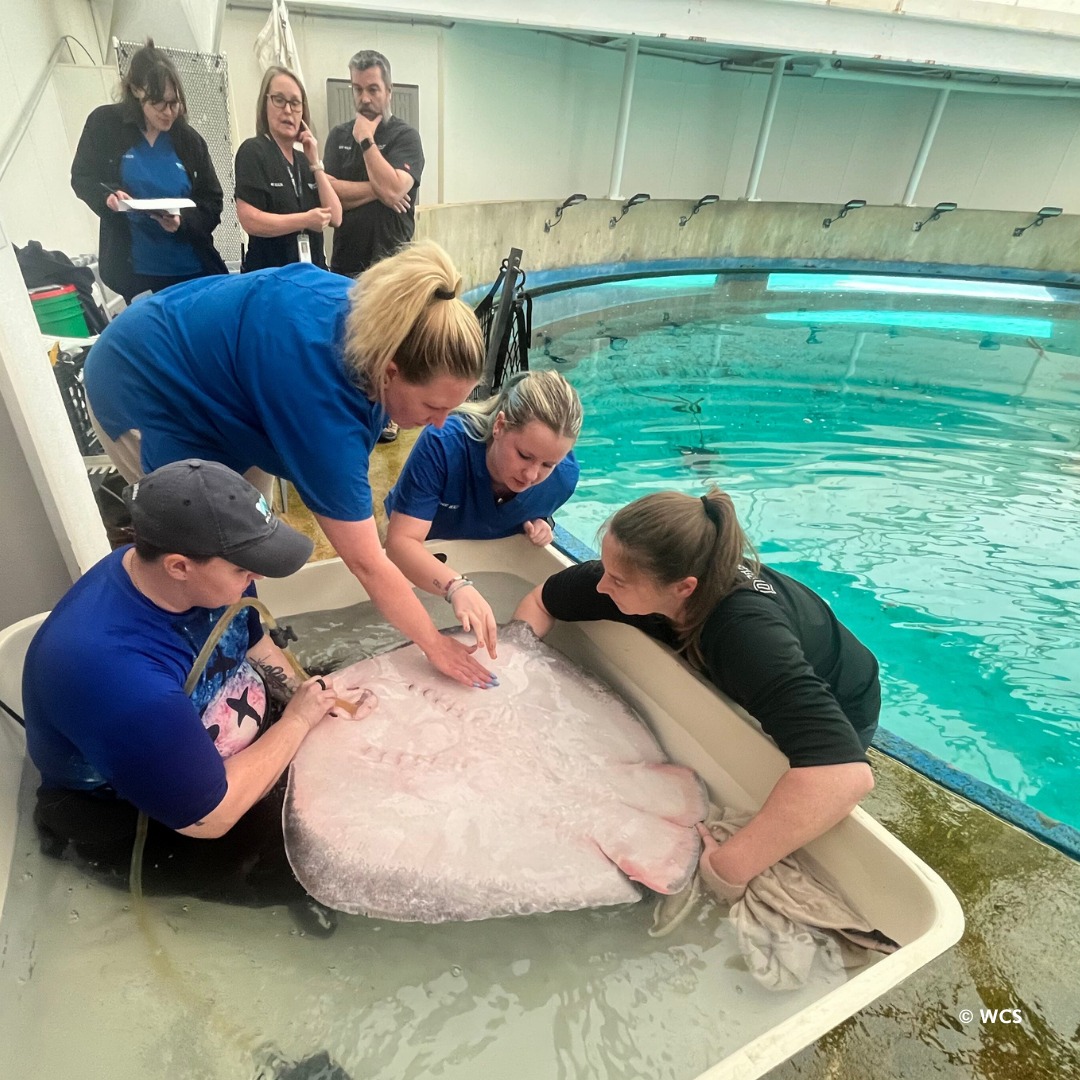
- The significance of National Veterinary Technician Week in animal care.
- Roles and responsibilities of veterinary technicians in marine habitats.
- Special acknowledgment of the veterinary technicians at the New York Aquarium.
- The importance of veterinary technicians in wildlife conservation and public health.
- The education and training required for veterinary technicians.
National Veterinary Technician Week is an annual event celebrated to honor the dedicated individuals who serve as a critical part of the veterinary community. This week shines a spotlight on veterinary technicians and their crucial contributions to animal health. These professionals play an essential role in a wide variety of settings, from animal hospitals to research facilities and, perhaps notably, marine environments like the New York Aquarium. Throughout the week, the significant work and devotion of veterinary technicians are shared and appreciated, reflecting their integral position in promoting animal welfare.
The responsibilities of veterinary technicians are extensive and varied. They play a vital role in providing hands-on care to animals, which includes administering medication, performing diagnostic tests, and facilitating communication between pet owners and veterinarians. In marine environments, their tasks may involve monitoring water quality, ensuring the health of diverse aquatic species, and applying specialized techniques tailored for various animal behaviors. Tasks can range from caring for large California sea lions to the intricate needs of delicate pufferfish. This breadth of responsibility requires not only technical skills but also a deep understanding of animal biology and behavior.
Recognizing extraordinary efforts, we wish to spotlight three remarkable veterinary technicians at the New York Aquarium: Patty, Vickie, and Kate. Their unwavering commitment to the care of thousands of animals exemplifies the dedication found within this profession. They are involved in daily health assessments, nutrition management, and collaborative care with veterinary staff to ensure that all creatures, regardless of size or species, receive appropriate medical attention. These dedicated individuals contribute their expertise and passion for animal health, demonstrating the impact that veterinary technicians have on wildlife conservation and public education at the aquarium.
Veterinary technicians are also pivotal in the field of wildlife conservation. They contribute to research initiatives aimed at protecting endangered species and their habitats. Their skills enable them to work on projects that assess animal health in various ecosystems while also participating in rehabilitation efforts for injured wildlife. As advocates for the animals they care for, veterinary technicians assist in creating outreach programs that teach communities about the importance of wildlife preservation. They inspire awareness surrounding the challenges faced by native species, thereby fostering a collective sense of responsibility towards environmental stewardship.
In addition to their vital roles in animal care and conservation, veterinary technicians are essential to public health initiatives. Their work often extends beyond direct animal care and into the realm of zoonotic diseases, which can be transmitted from animals to humans. By educating pet owners and the community about vaccination protocols, parasite prevention, and responsible pet ownership, veterinary technicians mitigate risks associated with zoonotic infections. This endeavor enhances the health of both animals and humans, further demonstrating their influence within the veterinary profession.
To become a veterinary technician, individuals must undergo rigorous training and education. Most veterinary technicians complete an associate degree or a bachelor’s degree in veterinary technology, which equips them with the fundamental knowledge and hands-on skills needed to excel in their careers. The curriculum typically includes coursework in animal anatomy, physiology, pharmacology, and emergency care. Additionally, the learning process often includes internships in various veterinary settings, providing real-world experiences that are crucial for developing practical skills. After completing their education, aspiring veterinary technicians must obtain certification and a license to practice. This process includes passing a national examination that tests their knowledge in veterinary medicine.
In summary, National Veterinary Technician Week serves as a powerful reminder of the significant role these professionals play in animal care, wildlife conservation, and public health. It is a time to honor their commitment and passion while promoting awareness of their essential contributions to animal welfare. The work of veterinary technicians like Patty, Vickie, and Kate at the New York Aquarium exemplifies the dedication required to ensure the health and wellness of diverse species. Their expertise and compassion make a lasting impact, not only on the animals they care for but on the broader community as well. Continuing to invest in the education and professional development of veterinary technicians will be crucial in addressing the challenges of animal health and conservation in the years to come.
*****
Source Description
Happy National Veterinary Technician Week! This week recognizes the important contributions veterinary technicians make to the profession and the field. From 600-pound California sea lions to tiny pufferfish, our dedicated animal health team provides care for thousands of animals at the New York Aquarium. Just like humans, these animals are provided routine care to ensure their health and wellness remains a top priority!
We want to give a special shout out to our three incredible New York Aquarium vet techs. Thank you Patty, Vickie, and Kate for your hard work and dedication!
