
- Introduction to the Wild In Nature reptile building at the zoo and its importance
- Overview of the Blue-tongued Skink’s habitat and characteristics
- Discussion on the educational role of reptiles in conservation
- Conservation efforts and the significance of reptile habitats
- Importance of zoo-based education programs and community engagement
The anticipation surrounding the new Wild In Nature reptile building at the zoo is palpable. As construction progresses, the excitement within the community builds, signaling a fresh chapter in the zoo’s educational initiatives and conservation efforts. This facility aims to offer an immersive experience for visitors while fostering respect and understanding for reptiles and their ecosystems.
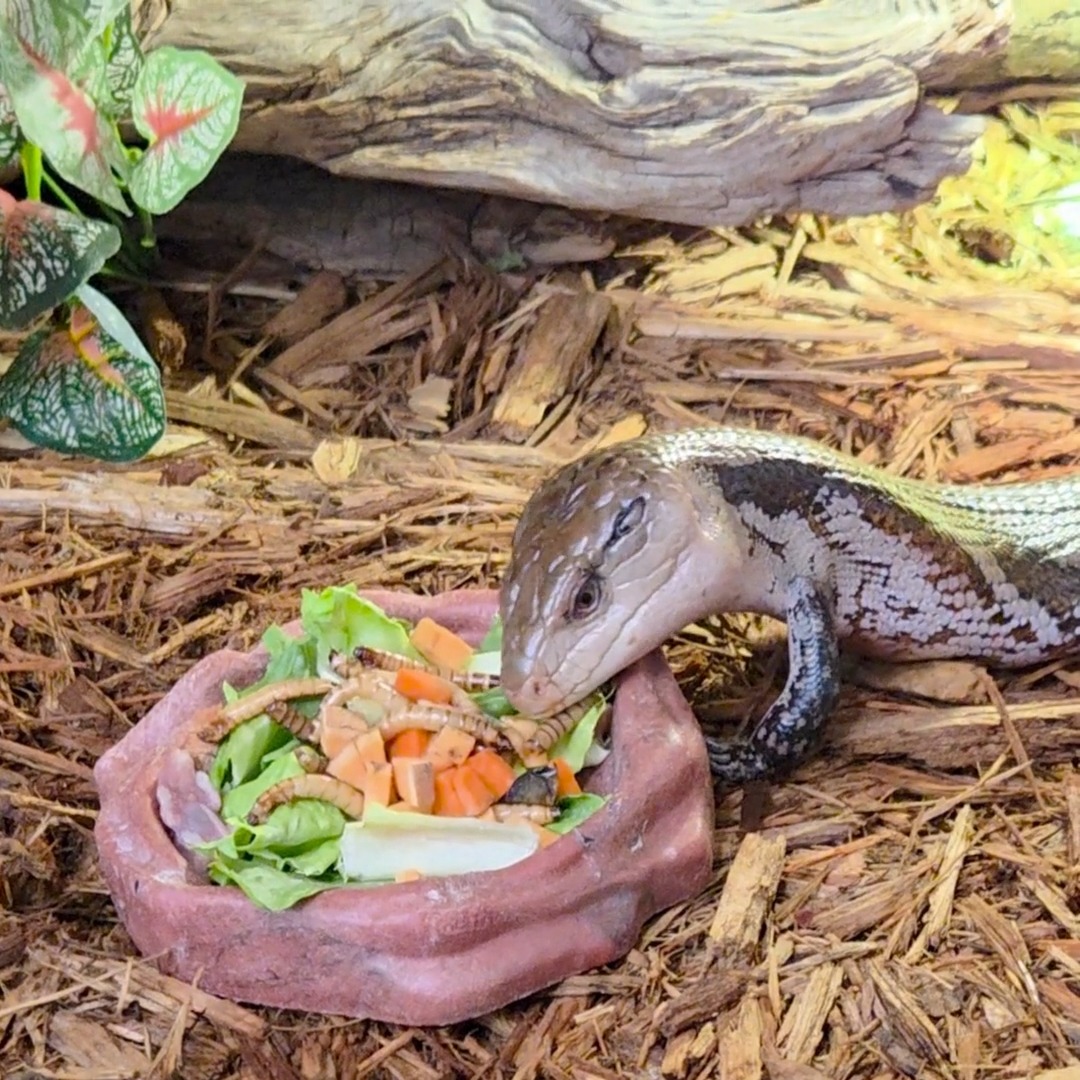
Our first featured resident is Indigo, a Blue-tongued Skink. This charismatic creature will soon captivate guests and enhance their appreciation for reptilian biodiversity. Let’s explore the defining features and ecological significance of Blue-tongued Skinks, along with the roles that reptiles play in conservation.
Blue-tongued Skinks are native to Australia and New Guinea, thriving in varied environments such as woodlands, grasslands, and scrub areas. They are primarily ground-dwelling and prefer habitats with ample cover, such as logs and leaf litter. These reptiles are notable for their remarkable physical traits; their broad, flat bodies, short legs, and distinctive blue tongues make them particularly appealing. The blue tongue serves as a defense mechanism, startling predators and signaling that they are not an easy target.
These skinks exhibit a variety of colorations, ranging from browns to yellows. Their vibrant appearance helps them blend into their surroundings, a crucial ability for avoiding predators. Blue-tongued Skinks are diurnal, meaning they are active during the day. They spend their time foraging for fruits, flowers, and insects. Remarkably, they utilize a unique feeding strategy by exhibiting a form of herbivory alongside insectivory, consuming a wide array of plant material.
The educational benefits of featuring reptiles like Indigo at the zoo cannot be overstated. Reptiles often evoke a sense of fear or mistrust in many people. However, by providing visitors with the opportunity to learn about their biology and behavior, zoos can dispel misconceptions and foster a more positive perception of these animals. Educational programs that include interactive exhibits and hands-on experiences with reptiles encourage curiosity and engagement, fostering a deeper understanding of biodiversity.
Reptiles play a crucial role in their ecosystems, acting as both predators and prey within food webs. By controlling insect populations and dispersing seeds, Blue-tongued Skinks contribute to ecological balance. This balance is vital for maintaining healthy ecosystems, which in turn support countless other species, including humans.
As habitat loss poses a significant threat to reptile populations worldwide, conservation efforts have become increasingly urgent. The Blue-tongued Skink is classified as a species of least concern; however, local populations can face decline due to habitat destruction and human encroachment. By showcasing these animals in a zoo setting, we can raise awareness about their ecological roles and the environmental threats they encounter. Zoos serve as valuable platforms for promoting conservation efforts and educating the public about the importance of protecting natural habitats.
The Wild In Nature reptile building is not just a home for skinks and other reptiles; it represents a commitment to conservation and education. This facility will allow researchers and educators to develop programs aimed at understanding reptile behavior, ecology, and conservation needs. By placing emphasis on scientific inquiry, the zoo can advance species conservation through meaningful partnerships with local and global research organizations.
Moreover, engaging with the community is integral to advancing conservation messages. The educational outreach programs associated with the Wild In Nature facility aim to connect visitors of all ages with the wonders of reptiles. Hands-on programs, workshops, and interactive talks will provide opportunities to learn about responsible pet ownership, herpetology, and local conservation efforts.
Community members who interact with reptiles are more likely to develop an appreciation for these creatures and support initiatives focused on habitat preservation. Engagement activities, such as the “Curious Creatures” series, will further deepen connections with the public by providing exciting and informative content featuring animals like Indigo. Each episode will highlight different residents of the reptile building, sharing insights about their behaviors, habitats, and conservation statuses.
The educational significance of reptiles is complemented by their fascinating biological attributes. For instance, Blue-tongued Skinks exhibit a distinctive reproductive strategy known as viviparity. They give birth to live young, which is quite different from most reptiles that lay eggs. This biological adaptation allows skinks to thrive in environments where conditions may not favor egg survival.
Understanding the diverse reproductive strategies among reptiles helps to underscore the complexity of their biology. Each species has evolved its own mechanisms for survival, adapting to the challenges posed by their environments. For instance, being able to give birth to live young provides Blue-tongued Skinks with a better chance of survival during unfavorable conditions.
The focus on reptile biology extends to the way zoos manage their collections. The new facility will incorporate naturalistic enclosures that mimic the skinks’ native habitats. This approach not only benefits the animals by reducing stress but also provides visitors with a more immersive experience. Observing wildlife within environments that reflect their natural habitats enhances understanding of animal behavior and ecology.
Reptiles are also important for scientific research, serving as bioindicators of ecosystem health. Changes in reptile populations can indicate shifts in environmental conditions, making them essential for monitoring biodiversity and habitat quality. Increasing public knowledge about these indicators can inspire action toward conserving ecosystems.
Moreover, research focused on reptiles contributes to broader biological and environmental questions. Insights gained from studying their physiology, immune responses, and adaptations can help improve conservation strategies not only for reptiles but also for other wildlife species.
In summary, the new Wild In Nature reptile building represents a valuable addition to the zoo’s educational and conservation missions. By introducing species like the Blue-tongued Skink and providing engaging educational content, the facility will play a pivotal role in fostering a connection between visitors and the natural world. Through outreach programs, community involvement, and a focus on scientific research, the zoo aims to enlighten the public about the importance of reptiles and their habitats.
As we prepare to welcome Indigo and her fellow reptilian residents, the zoo community is reminded of the critical role these creatures play in our ecosystems. They are not merely creatures to be observed but vital components of biodiversity that deserve our protection and respect. The Wild In Nature reptile building is not just a space for exhibition but a hub for education, conservation, and community engagement, inspiring the next generation to care for the planet and all its inhabitants.
*****
Source Description
🦎We are getting very excited for our new Wild In Nature reptile building that is currently under construction here at the Zoo. So excited in fact, that we wanted to introduce you all to some of the animals that will be calling it home! Stay tuned for a special edition series of Curious Creatures where we will show off a new animal buddy each episode that will call the new building home! In this one meet our shy and magnificent Blue-tongued Skink, Indigo, with Education & Conservation Manager Sarah!
