
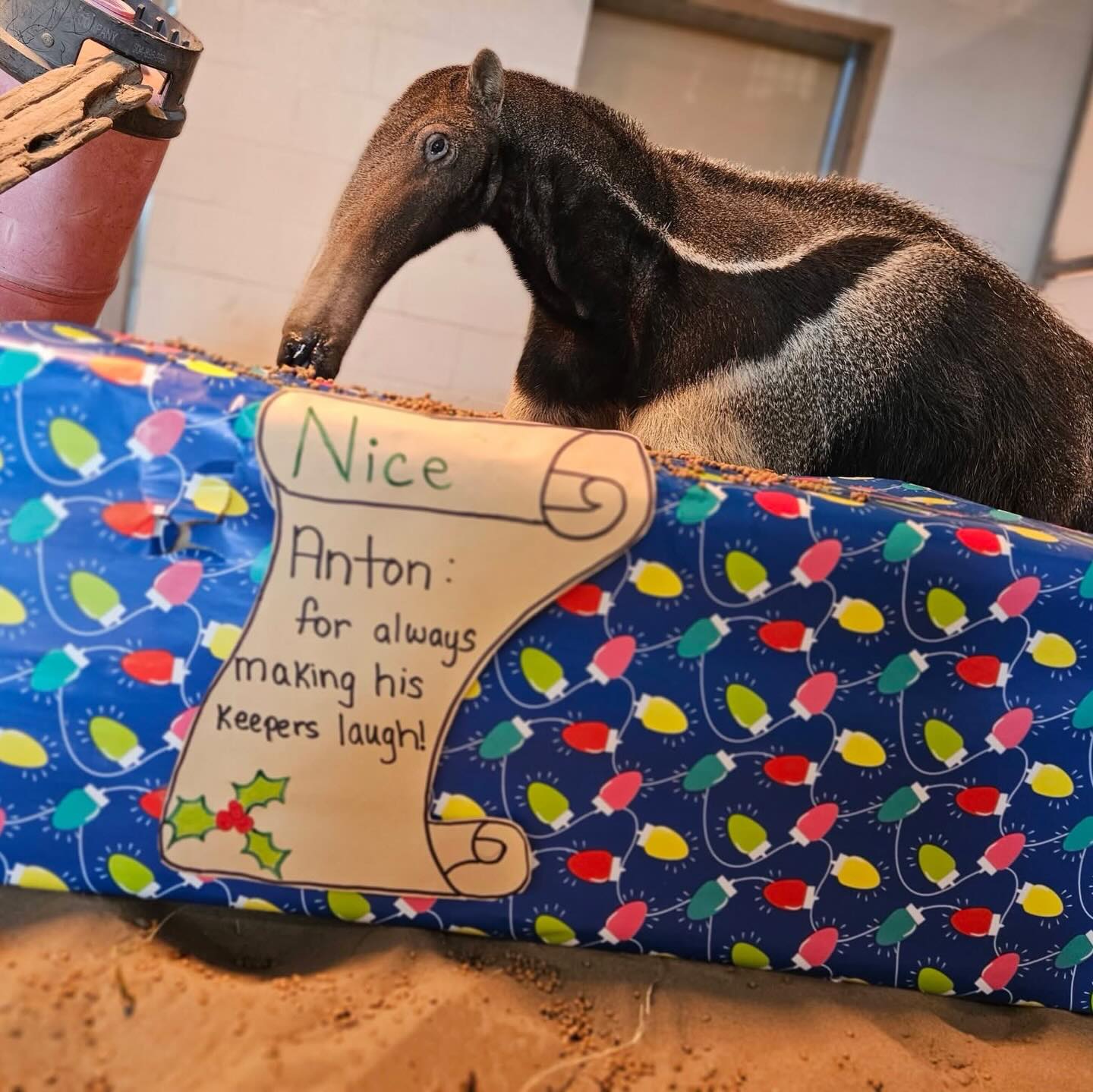
- Understanding the Partnership of Keepers Grace and Kylie with Santa
- The Assessments of River’s Edge Residents: Naughty or Nice
- Insights into Animal Behavior and Conservation
- The Role of Zoo Management in Promoting Wildlife Awareness
- Engaging the Community in Environmental Stewardship
Keepers Grace and Kylie have taken on a distinctive role this holiday season by collaborating with Santa to create his list of those who have been nice or naughty. This partnership is not just a fun idea for the holidays but also highlights the essential connections between animal care, behavioral assessment, and community engagement in wildlife conservation.
Understanding the Partnership of Keepers Grace and Kylie with Santa
Grace and Kylie, both experienced animal caretakers, employ their extensive knowledge of animal behavior to assist Santa in determining which residents of River’s Edge have displayed exemplary traits. The assessment process utilizes criteria inspired by animal behavior studies and ethology, the science of animal behavior. Traits such as empathy, cooperation, and kindness are equally applicable to both animal and human interactions.
For instance, an animal exhibiting altruism—helping others at a cost to itself—exemplifies behaviors that can be mirrored by humans, especially children. This assessment emphasizes that characteristics deemed ‘nice’ can resonate well within the community. When Grace and Kylie work alongside Santa, they incorporate observational methods that reflect their zoological expertise, ensuring that the evaluation process is comprehensive and supportive of the zoo’s mission.
The Assessments of River’s Edge Residents: Naughty or Nice
The criteria for determining who is naughty or nice can be thought of in terms of animal behaviors. Just as Grace and Kylie observe animals for specific behaviors, they translate these observations into assessments of human actions. An individual demonstrating cooperation or helpfulness stands out as ‘nice,’ while one who exhibits selfishness or harmful behaviors might be classified as ‘naughty.’
Grace and Kylie utilize various types of assessments, such as behavioral observations and interactions with others, to draw parallels between animals and humans. This approach serves as an educational tool to showcase the importance of understanding behavior in fostering positive community relations.
Animal behaviorists often focus on specific traits. For example, the concept of play in animals serves multiple purposes, including social bonding and physical development. The characteristics encouraged in the zoo translate into community activities. By fostering a sense of playfulness and cooperation, residents can cultivate a more engaged and supportive environment.
Insights into Animal Behavior and Conservation
Understanding animal behavior is crucial for successful wildlife conservation. By evaluating behavior, keepers can identify stressors, breeding patterns, and social dynamics within animal groups. Grace’s and Kylie’s experiences illustrate the intersection of animal behavior and social interactions, which can significantly influence the effectiveness of conservation strategies.
One promising avenue in enhancing animal welfare involves providing enriching environments that allow natural behaviors to flourish. These enrichments range from physical structures that promote climbing or foraging to social setups that encourage interactivity among species. By encouraging positive behaviors in animals, the zoo also nurtures positive behaviors in its residents. These practices prove vital for conservation efforts, ensuring that the inhabitants not only survive but also thrive.
The behavior of animals often reflects environmental changes, and understanding these patterns aids in habitat conservation. For instance, observing migratory patterns or dietary changes allows researchers to gauge how ecosystems are adapting to climate fluctuations. Grace and Kylie’s collaborative efforts with Santa embody this spirit, encouraging community members to become vigilant stewards of the environment, advocating for wildlife preservation, and nurturing their connections with nature.
The Role of Zoo Management in Promoting Wildlife Awareness
Zoo management plays an essential role in wildlife education, as many facilities serve as community hubs. Grace and Kylie contribute to this educational mission by interacting with the community. Their partnership with Santa serves to elevate the significance of kindness and responsible behavior, both towards animals and fellow humans.
In the context of animal management, educational programming is vital. Various strategies, from interactive learning experiences to community outreach, help raise awareness about wildlife issues. Engaging residents in discussions about conservation creates a more informed populace, better equipped to make environmentally conscious decisions.
Zoo management often implements actions like well-structured environmental impact initiatives. These initiatives can include tree planting activities, water conservation programs, and educational workshops aimed at younger audiences. Grace and Kylie exemplify this approach, encouraging community residents to actively participate in acts that benefit both humans and animals alike.
Engaging the Community in Environmental Stewardship
The involvement of Grace and Kylie this holiday season exemplifies a broader trend toward community engagement in environmental stewardship. Their partnership with Santa is not merely a festive flourish; it addresses the importance of human behavior in protecting and preserving wildlife.
To make a lasting impact, educational outreach must resonate with emotions and tangible actions. Seasonal events can integrate both fun and educational elements, capturing the interest of families and children. These interactions forge lasting relationships between community members and local wildlife.
Furthermore, educational events can highlight the critical threats facing wildlife today, such as habitat loss, climate change, and pollution. Public engagement fosters a sense of responsibility for local ecosystems, advocating for sustainable practices that can make a difference.
As this partnership with Santa unfolds, it brings attention to the significance of nurturing positive traits and behaviors. Just as animals exhibit kindness and cooperation within their groups, so too can residents of River’s Edge. This collective effort encourages a culture of care that transcends seasonal greetings.
The collaboration of Keepers Grace and Kylie with Santa brings forward the message of kindness and moral responsibility, not just for this holiday season but as a continuous commitment to both wildlife and community. Each interaction serves as a pathway to promoting conservation efforts and ensuring the well-being of all inhabitants.
By implementing these fundamental principles, communities can witness the evolution of shared responsibility, unity, and a collective drive towards creating a sustainable future. Awareness directly translates into action, making it vital for residents to embrace their roles as environmental stewards.
As we celebrate the holiday spirit, residing within the bond shared between Keepers Grace, Kylie, Santa, and the residents of River’s Edge is a powerful reminder of the interconnectedness of our actions, both with each other and the natural world.
*****
Source Description
Keepers Grace and Kylie helped Santa make his list and check it twice! Time to find out which River’s Edge residents have been naughty or nice. 🎅 📝
