
- Overview of zoo management practices and their role in conservation.
- Importance of environmental enrichment in animal welfare.
- The significance of public engagement in wildlife conservation.
- Interaction between human-made environments and animal behavior.
- The role of education in promoting biodiversity and conservation efforts.
Zoo management practices are critical in advancing wildlife conservation. Modern zoos operate as dynamic centers of education, research, and preservation. Effective management systems are paramount to uphold health and sustainability. These institutions create environments that simulate natural habitats, fostering animal health and encouraging natural behaviors.
Environmental enrichment is key to enhancing animal welfare in captivity. It includes physical structures and stimulating activities that cater to the instincts and needs of different species. Environmental enrichment improves animals’ mental and physical health, reducing stress and encouraging behaviors observed in the wild.
Public engagement plays a vital role in the success of wildlife conservation programs. Zoos serve as platforms for public education, bringing awareness to conservation issues. They inspire visitors to support conservation efforts, fostering a culture of stewardship toward the natural world.
The relationship between human-made environments and animal behavior offers insights into adaptation and stress management. Understanding this interaction helps zoo professionals design habitats that promote natural behaviors. Observational studies reveal how animals adjust to artificial settings, guiding improvements for better welfare outcomes.
Education is central to promoting biodiversity and conservation. Zoos provide educational programs that emphasize the importance of ecosystems and species preservation. Workshops, interactive exhibits, and educational materials engage visitors of all ages, building a knowledgeable and proactive community committed to conservation.
Each of these principles plays a crucial role in zoological practices, promoting the conservation of species and educating the public about biodiversity. By blending scientific research with practical applications, zoos contribute significantly to global conservation efforts.
*****
Source Description
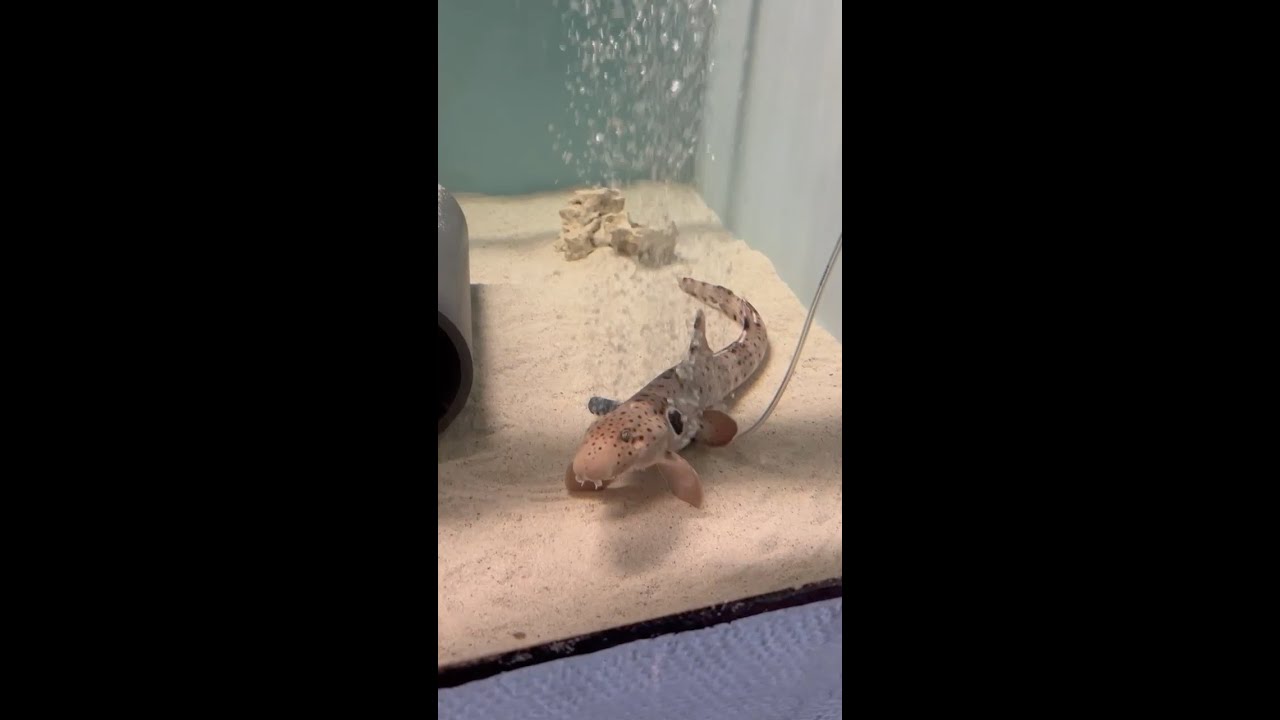
Meet one of our behind-the-scenes epaulette sharks with a unique habit. We often spot her intentionally positioning herself so the bubbles from the airstone run along her body, sometimes letting them travel up her face or across her abdomen.
While the airstone’s main job is to keep water circulating in the exhibit, this shark has turned it into an unexpected form of enrichment! We don’t see this behavior from the other epaulettes in this tank, and it’s not something we commonly observe across our other sharks, either.
We can’t say for sure why she enjoys it, but what we do know is that it’s entirely her choice. She could easily swim away, yet she keeps coming back for the bubbles!
📸: Aquarist Vicki
#NationalBubbleBathDay #Bubbles #MyBubbles
