
- Special Show Schedule: Highlights and Time Slots
- Understanding the Ecosystems: Deserts and Rainforests
- Featured Animals: Adaptations and Characteristics
- Conservation Efforts: Protecting Warm Climate Species
- Engaging Visitors: Educational Experiences in Zoos
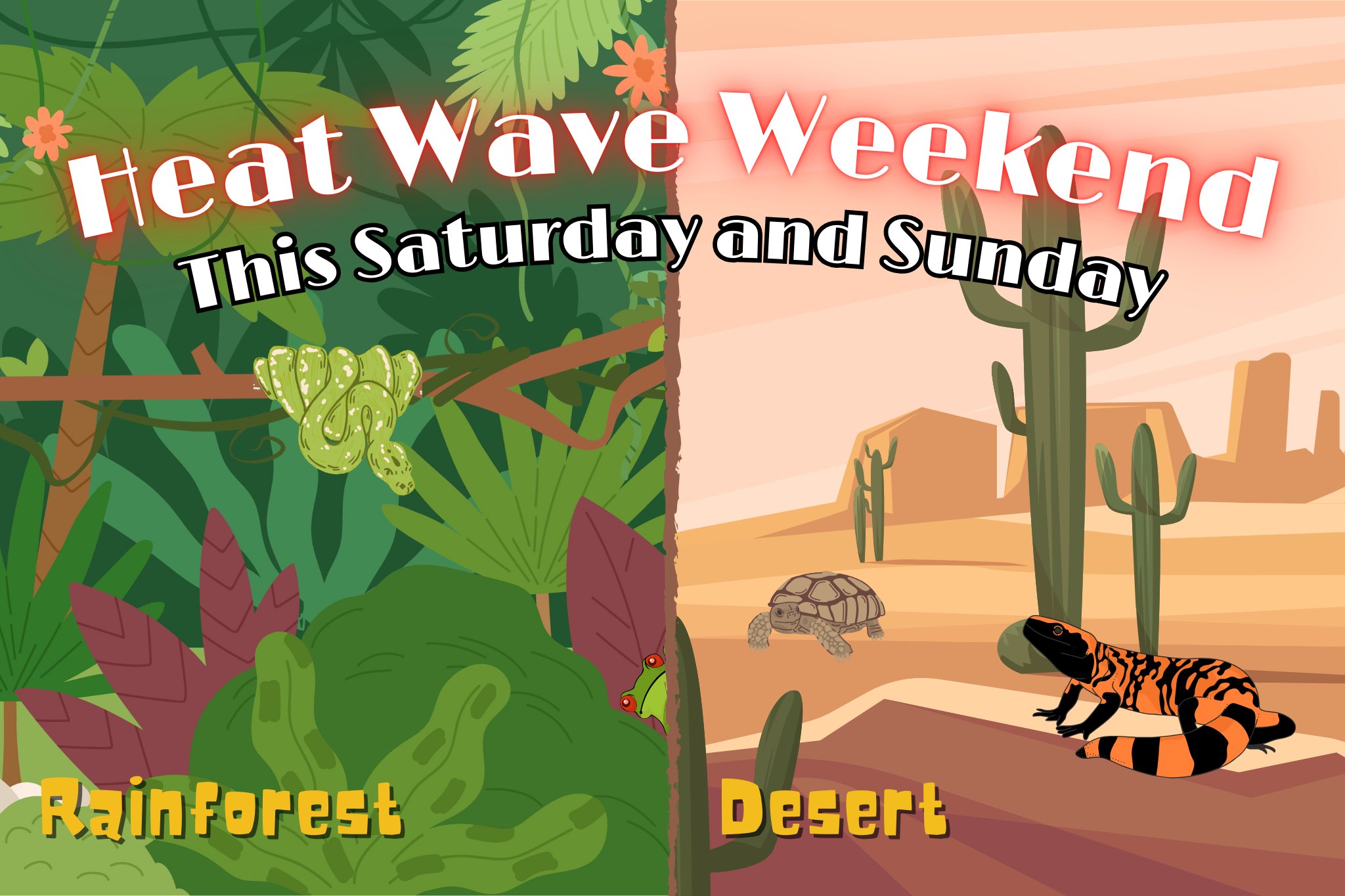
Join us this weekend for special shows featuring animals from warm climates! The schedule includes two engaging themes, showcasing the diverse wildlife found in deserts and rainforests. With shows at 11:30 AM and 2:30 PM focused on deserts, and 1:00 PM and 4:00 PM dedicated to rainforests, visitors have ample opportunity to explore these vibrant ecosystems.
Special Show Schedule: Highlights and Time Slots
The programming begins with an informative session on desert-dwelling species at 11:30 AM. This session will cover animals like the fennec fox and the Gila monster, highlighting their unique adaptations to the arid environment. At 1:00 PM, we shift focus to the lush rainforest, featuring creatures such as sloths and toucans. The 2:30 PM slot revisits the desert, deepening our understanding of how life thrives despite minimal water and extreme temperatures. Finally, the last show of the day at 4:00 PM returns to the rainforest, emphasizing the biodiversity and complex interrelationships among its inhabitants.
Understanding the Ecosystems: Deserts and Rainforests
Both deserts and rainforests represent strikingly different ecosystems, each with their own climatic characteristics and biodiversity. Deserts are defined by low precipitation and extreme temperature fluctuations. They are often hot, but can also experience cold nights—this environmental variability shapes the lifestyles and survival strategies of their inhabitants.
In contrast, rainforests are known for their high humidity and consistent temperatures, creating a vibrant habitat rich in biodiversity. They experience significant rainfall throughout the year, which contributes to lush vegetation and a complex web of life. The layers of the rainforest—from the forest floor to the canopy—host myriad species, with millions of organisms living in symbiotic relationships.
Featured Animals: Adaptations and Characteristics
The special shows will feature a diverse array of animal species, each symbolizing the adaptations required for survival in their respective habitats. In deserts, animals like the fennec fox have evolved large ears to dissipate heat and a nocturnal lifestyle to avoid daytime heat. These adaptations are crucial for temperature regulation and energy conservation. The Gila monster, one of the few venomous lizards, stores fat in its tail to survive during harsh seasons when food is scarce.
Conversely, rainforest creatures exhibit traits suited for a life among dense foliage. The sloth, renowned for its slow movements, spends most of its life in trees and has a diet primarily consisting of leaves. Its slow lifestyle reduces energy expenditure and helps it survive on a low-nutrient diet. Similarly, the toucan, with its large bill, plays a significant role in seed dispersal, thus contributing to the regeneration of the forest ecosystem.
Conservation Efforts: Protecting Warm Climate Species
The ongoing conservation challenges faced by warm climate species are critical aspects of discussion during these shows. The loss of habitat due to urbanization and climate change poses significant threats to both desert and rainforest ecosystems. Various organizations are working tirelessly to protect these environments, advocating for sustainable practices that promote biodiversity.
Efforts include creating protected areas, conducting research to inform conservation strategies, and engaging local communities in wildlife preservation activities. The promotion of eco-tourism also provides much-needed revenue for conservation initiatives while aligning economic interests with the preservation of natural habitats.
In particular, concentrated efforts have been made to protect rainforests as they house over half of the world’s plant and animal species. Deforestation, driven by agriculture and logging, endangers many species, including vital pollinators and keystone animals.
Engaging Visitors: Educational Experiences in Zoos
Zoos play an essential role in educating the public about wildlife conservation. The special shows this weekend are designed to engage visitors, providing them with an opportunity to learn about species and their ecological roles. Educators will share key insights into the challenges faced by animals in warm climates and how individuals can contribute to conservation efforts.
Interactive exhibits and guided tours will offer deeper exploration of animal behavior, habitat requirements, and the ongoing efforts to preserve species. Visitors can also engage with conservation programs, allowing them to contribute directly to wildlife protection initiatives. This engagement fosters a sense of stewardship and responsibility towards the natural world.
The upcoming shows featuring animals from warm climates are more than just entertainment; they serve as a call to action. By participating, attendees can gain invaluable knowledge and tools for making a difference in wildlife conservation. The importance of protecting ecosystems cannot be overstated, and through education and engagement, we can inspire future generations to advocate for these critical efforts.
Supporting conservation projects that focus on warm climate animals is essential. By donating time or resources to organizations committed to habitat preservation, you can help ensure that these magnificent species thrive for future generations. Engaging in conversations about climate change and its implications on global biodiversity is equally important. As environmental stewards, we all have a part to play in preserving the delicate balance of nature.
In summary, this weekend’s shows offer a unique opportunity to explore the fascinating wildlife from deserts and rainforests. Attendees will witness firsthand how animals adapt to their environments, the threats they face, and the critical initiatives aimed at their conservation. Don’t miss out on this enriching experience, and join us in making a difference.
*****
Source Description
Join us this weekend for special shows featuring animals from warm climates!
11:30 – Desert
1:00 – Rainforest
2:30 – Desert
4:00 – Rainforest
