
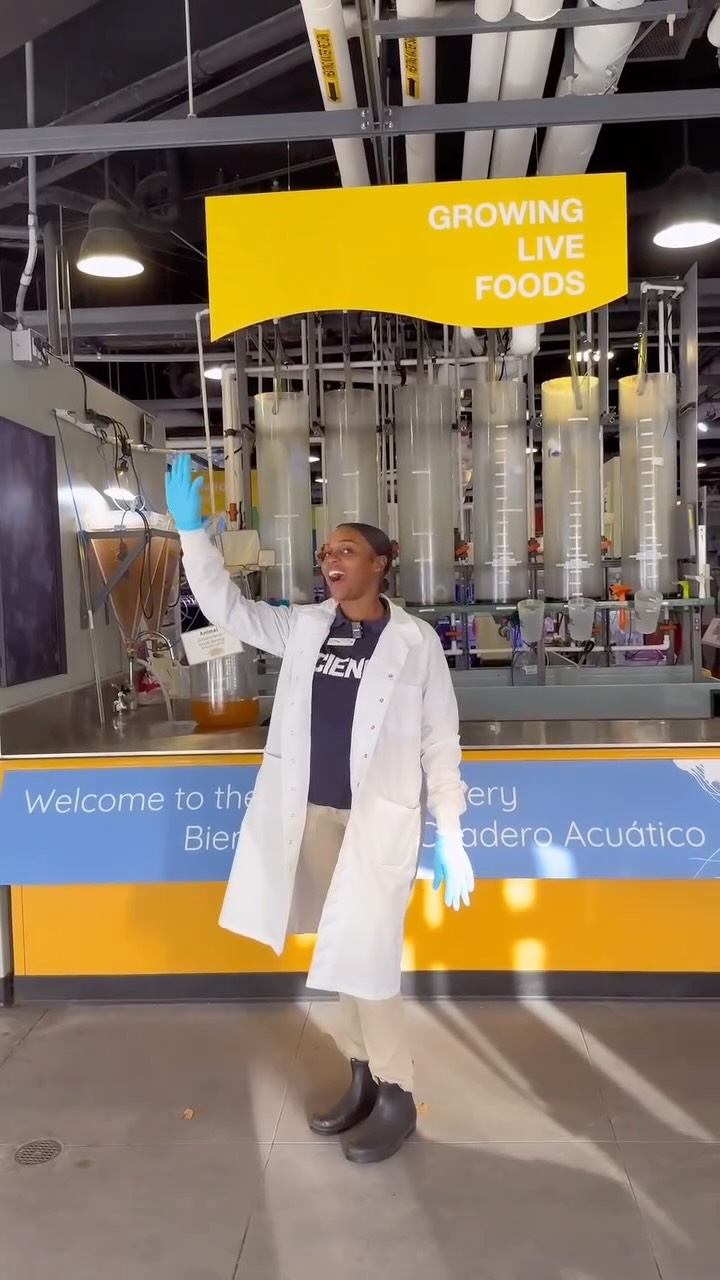
- The importance of representation in marine science
- Brittney Cleveland’s journey in marine science
- The impact of diversity on marine conservation efforts
- Bridging barriers to entry in marine-related fields
- Inspiring future generations of marine scientists
Representation in marine science matters significantly. It shapes not only who participates in the field but also influences the research priorities and conservation efforts that define our approach to marine life and ecosystems. Without a diversity of voices, the collective understanding of marine environments becomes limited. This is where individuals like Brittney Cleveland play a crucial role, advocating for inclusion and reflecting a growing movement within the scientific community.
Brittney Cleveland serves as a Museum Guide in an Aquatic Nursery, where her primary role involves raising vulnerable species. Her journey into marine science began with a childhood fascination for the ocean. Growing up, she developed a passion for marine ecosystems and their intricate life forms. Available resources and mentorship shaped her career path. As a Black marine scientist, Brittney’s presence embodies a shift toward expanding representation in a predominantly white field. She openly shares her experiences, explaining how she navigated the challenges imposed by systemic barriers.
Brittney’s work in raising vulnerable species is particularly meaningful, as it highlights essential conservation strategies. Many marine species face threats from climate change, habitat destruction, and pollution. By focusing on breeding and raising these species in a controlled environment, Brittney contributes to sustainable population levels and genetic diversity. This effort also underscores the importance of public engagement. As a Museum Guide, she educates visitors about the significance of marine life, thus fostering a strong conservation ethic in the community.
The impact of diversity in marine conservation cannot be overstated. Researchers have shown that diverse teams produce more innovative solutions to complex environmental problems. When various backgrounds are represented, new perspectives emerge, driving critically needed research on issues like climate change and biodiversity loss. Underrepresented groups provide insights that are often overlooked by more homogeneous teams. This proves vital, especially in the marine sciences, where global challenges touch every country and community.
Moreover, barriers to entry in marine-related fields still persist. Financial constraints often limit access to educational resources. Additionally, many minority groups face a lack of representation in academia. This absence can discourage aspiring scientists. It is essential to address these obstacles, not just through policies but also by spotlighting role models. Brittney is one of those role models, inspiring young people from diverse backgrounds to consider careers in marine science. By showcasing her journey, she provides a tangible example of success that can break down stereotypes.
Mentorship programs are another key avenue for improving representation in marine science. They can create networks of support for underrepresented groups and help aspiring scientists gain valuable experience. These programs also encourage collaboration, innovatively merging community perspectives with scientific inquiry. Such initiatives are critical for reshaping the demographics within marine science, allowing individuals who might otherwise feel isolated to flourish.
Education plays a crucial role in creating an inclusive environment. Curricula that encompass a variety of cultural perspectives can motivate diverse student populations. Integrating environmental science with cultural history can provide a richer context for learning and reinforce the importance of local marine ecosystems. Through relatable narratives, students may discover their connections to marine environments, inspiring long-term interest and action.
Engaging with the community also fosters representation. Collaborations between scientists and local organizations can yield valuable insights. This partnership allows for a more comprehensive understanding of local issues affecting marine life. Moreover, these relationships challenge the stereotypes that often surround scientific communities. Brittney embodies this collaborative spirit, actively participating in outreach programs that aim to enlighten and involve community members.
The future of marine conservation will largely depend on the proactive inclusion of diverse voices. Representation in marine science matters because it acts as a catalyst for change. When individuals see themselves reflected in adjacent roles, they are more likely to envision themselves in those positions. Having role models like Brittney Cleveland not only enriches the community but inspires future generations to take on a stewardship role over marine ecosystems.
As environmental challenges intensify, the inclusion of multiple perspectives becomes increasingly essential. Diverse voices drive innovative thinking and solutions, equipping us to face pressing issues like climate change, overfishing, and pollution. Brittney’s work exemplifies the crucial need for a more inclusive marine science community. By fostering representation and visibility for different voices, we strengthen our collective efforts in marine conservation.
Public engagement initiatives, particularly at aquariums and marine research centers, are effective in raising awareness. These positions serve not only to inform the audience about marine life but also to draw in different demographics. Targeted marketing and educational programs can attract underrepresented groups, sparking interest in marine science. Brittney’s role in these initiatives helps demystify the field, making it more accessible to attendees of all backgrounds.
Building partnerships between educational institutions and communities is vital. For example, internship systems that involve local minority students can bridge educational gaps. When students see a direct link between their education and career paths, they become more motivated. These partnerships also value local ecological knowledge, integrating community wisdom into marine research and conservation strategies.
The significance of mentorship extends beyond educational institutions. Experienced professionals, like Brittney, can provide guidance to younger individuals interested in marine science. When mentorship relations are established, benefits proliferate. Mentees receive the support and encouragement they require, fostering a sense of belonging in a field that has historically marginalized their experiences.
Furthermore, innovative outreach efforts can also aid in raising the visibility of marine science. Events that celebrate marine biodiversity, beach clean-ups, and hands-on workshops promote community involvement. These events are opportunities to engage diverse audiences and inspire action toward marine conservation. Important discussions about sustainability and biodiversity take shape in these settings, enhancing community understanding.
Brittney’s work is integral to this landscape. Through her engagement, she is shaping the future of marine science representation. Every child that observes marine life through her guiding eye carries the potential to love and safeguard our oceans. That connection is invaluable. When they see a relatable figure leading these efforts, they are more inclined to pursue careers in marine biology or conservation.
Ultimately, representation in marine science matters not just for individual career paths but for the health of our oceans. As the threats to marine life intensify, a diverse array of voices is essential for addressing these significant challenges. Foundational changes in policy and community engagement will be the keystones for ushering in a more inclusive marine science community.
Efforts to promote representation in marine science are ongoing. Organizations dedicated to diversity and inclusion are essential in uplifting voices that have been historically silenced. By creating platforms for underrepresented groups, our collective understanding of marine ecosystems strengthens. The ocean is a shared resource, requiring collective stewardship and diverse engagement. Brittney Cleveland exemplifies the progress being made and serves as a powerful reminder of why representation in marine science matters.
The journey does not end with individual success stories. It expands into a broader movement aimed at reshaping the marine science ethos. By amplifying the voices of all stewards of the sea, we can ensure a thriving future for our oceans. The tides are changing, and with leaders like Brittney Cleveland at the forefront, the marine science community is set for a transformative shift toward inclusivity and sustainability.
*****
Source Description
Representation in marine science matters. Brittney is helping lead the way! 🌊
We’re proud to spotlight Brittney Cleveland, a Museum Guide in our Aquatic Nursery, whose passion for the ocean and dedication to protecting marine life inspires both our team and our visitors every day. In this video, Brittney shares how she became interested in marine science, why her work raising vulnerable species is so meaningful, and what it means to her to be a Black marine scientist in this field.
When people see themselves reflected in science, it helps them envision their own place in it. Representation opens doors and strengthens the future of marine conservation by ensuring all voices, perspectives, and experiences are included.
Thank you, Brittney, for the important work you do and for inspiring the next generation of ocean stewards. 💙
