
- Sharks experience serious stress after accidental capture, impacting their survival chances.
- Post-release stress is correlated with the duration of capture on the fishing line.
- Innovative gear, such as buoy systems, plays a crucial role in minimizing shark interactions.
- Enhanced fishing methods protect shark populations and contribute to sustainable fisheries.
- The importance of conservation efforts for sharks within marine ecosystems.
Sharks, as apex predators, hold vital roles in marine ecosystems, influencing the health of oceanic environments. Accidental capture, often termed bycatch, poses significant threats to shark populations. When a shark is caught unintentionally, the stress incurred during the catch can lead to adverse physiological effects, significantly reducing its chances of survival post-release. Research indicates that the longer a shark is left on the line, the greater its chances of succumbing to stress-related complications, including traumatic injury and physiological disturbances.
Post-release stress in sharks is a pressing concern given the increased fishing pressures on marine species. When sharks are pulled from their habitat, particularly when caught on hook and line, they undergo significant physiological stress. This process includes an increase in lactic acid in their muscles due to the struggle against capture. Elevated lactic acid levels, coupled with stress hormones such as cortisol, can lead to metabolic exhaustion. Disturbingly, studies indicate that stress responses can vary among species, with some species more susceptible to post-release mortality than others.
The duration of time a shark is on the fishing line is critical. It has been documented that sharks retained on the line for extended periods suffer higher mortality rates. Studies show that when sharks are released swiftly, survival rates increase significantly. Fishermen are often unaware of the tremendous stress imposed on these animals and how that stress translates to their survival rates. Every second a shark spends caught contributes to its physiological wear and tear, so rapid release is imperative.
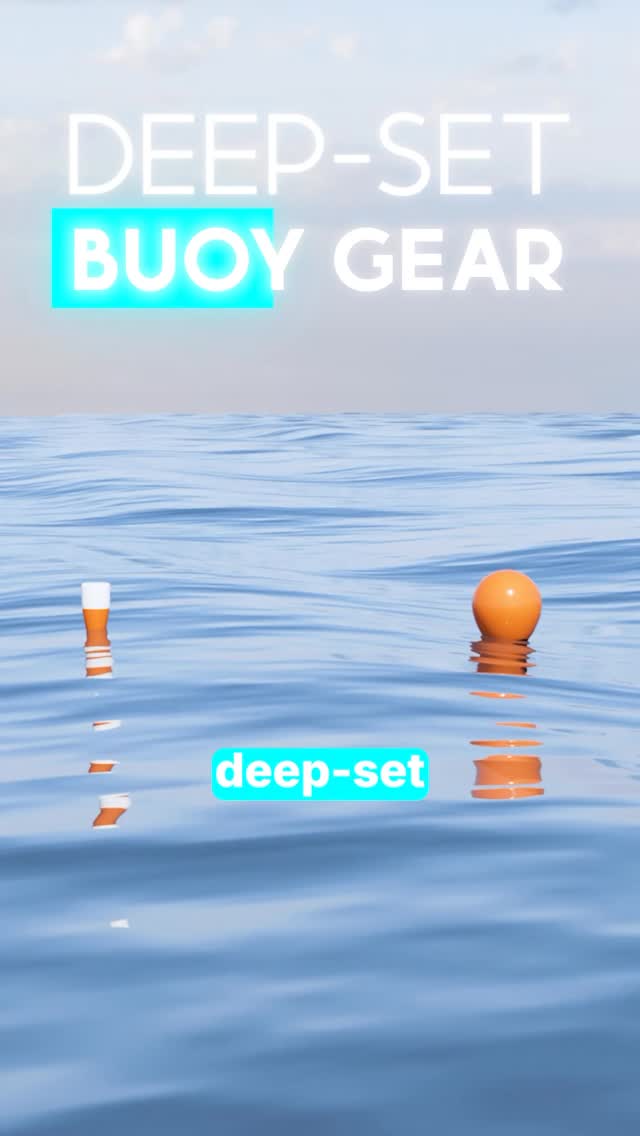
This is where innovation in fishing gear becomes increasingly vital. Buoy gear offers a promising solution to reducing unintended interactions with sharks. This equipment allows for immediate response and rapid release, minimizing the time sharks spend in stress-inducing conditions. By enhancing fishing systems to discourage bycatch, the potential for accidental capture decreases. Buoy gear functions through a mechanism that alerts fishermen to the presence of sharks, enabling quicker action to release them back into their habitat.
Additionally, advancements in fishery practices bolster the protection of shark species. Smarter fishing methods can not only aid in the preservation of sharks but also promote the sustainability of fisheries. Eco-friendly fishing gear, such as circle hooks, is designed to minimize injury to sharks and other non-target species. These practices help limit the bycatch problem, which is particularly significant given the dramatic decline in some shark populations. Effective conservation efforts can facilitate a balance between fishing activities and the preservation of marine biodiversity.
Moreover, targeted campaigns aimed at raising awareness among fishermen about the importance of responsible fishing practices can drive change throughout the industry. Educating those involved in the fishing community about the impact of stress on sharks might encourage more sustainable practices. It’s essential that all stakeholders recognize their role in maintaining healthy shark populations. Training programs that focus on the implementation of best practices in bycatch management can effectively equip fishermen with the tools necessary to protect marine life.
Shark conservation efforts extend beyond individual species. Maintaining healthy shark populations is crucial for the overall health of ocean ecosystems. As apex predators, sharks regulate prey populations, contributing to the balance of marine biodiversity. When shark numbers decline due to overfishing or high bycatch rates, ecosystems can become imbalanced, leading to a ripple effect impacting various marine species.
Governments and environmental organizations increasingly focus on policy changes that support sustainable fishing practices. Policy measures such as area closures, size limits, and catch limits are vital tools in promoting conservation. In regions where shark populations are under intense fishing pressure, these regulatory frameworks help safeguard their future. Implementing and enforcing such measures can create safer habitats for sharks while still allowing for responsible fishing activity.
The role of technology also plays a significant part in this conversation. Innovations such as electronic monitoring and catch reporting systems can track bycatch rates, offering vital data for managing shark populations. Transparent reporting from fisheries can provide insight into the health of marine ecosystems. Coupled with technological advancements, robust data collection can inform conservation strategies and improve fisheries management.
A collective approach combining innovation, education, and regulation can significantly mitigate the impact of accidental shark capture. Fishermen, conservationists, and policymakers must work in unison to forge a path forward. By embracing smart fishing practices, deploying new technologies, and adhering to sustainable fishing policies, we can protect sharks and ensure thriving marine ecosystems.
Sharks must not become mere statistics in the story of bycatch. The urgent need for focused conservation efforts is essential. Initiatives that advocate for the reduction of bycatch can have a remarkable impact on shark populations. Promoting practices that reduce the likelihood of accidental capture is crucial for the sustainability of fisheries and the preservation of marine biodiversity.
Finally, public support and appreciation for sharks can also impact conservation initiatives. Raising awareness through education campaigns can lead to greater community involvement in protecting marine life. People often fear sharks, viewing them as menacing creatures rather than vital components of underwater ecosystems. Changing the narrative surrounding sharks is necessary for fostering an environment where conservation initiatives can thrive.
Sharks face serious post-release stress when caught accidentally, presenting a significant challenge to their survival. The longer they remain on the line, the higher the likelihood of mortality due to stress. Innovations such as buoy gear and smarter fishing methods are essential in reducing this unintended interaction and supporting sustainable fisheries. Through concerted efforts, dedicated research, and community engagement, we can create a future where sharks thrive in their natural habitats, and marine ecosystems flourish.
*****
Source Description
🦈 Sharks face serious post-release stress when caught accidentally. The longer they’re on the line, the lower their chances of survival. That’s why innovation matters. Buoy gear helps reduce unintended shark interactions and allows for faster response and quicker release. Smarter fishing methods protect sharks while supporting sustainable fisheries.
🔗 https://mbayaq.co/marinebiojohn
