
Summary of Everybody loves Obi! – Zoo Atlanta:
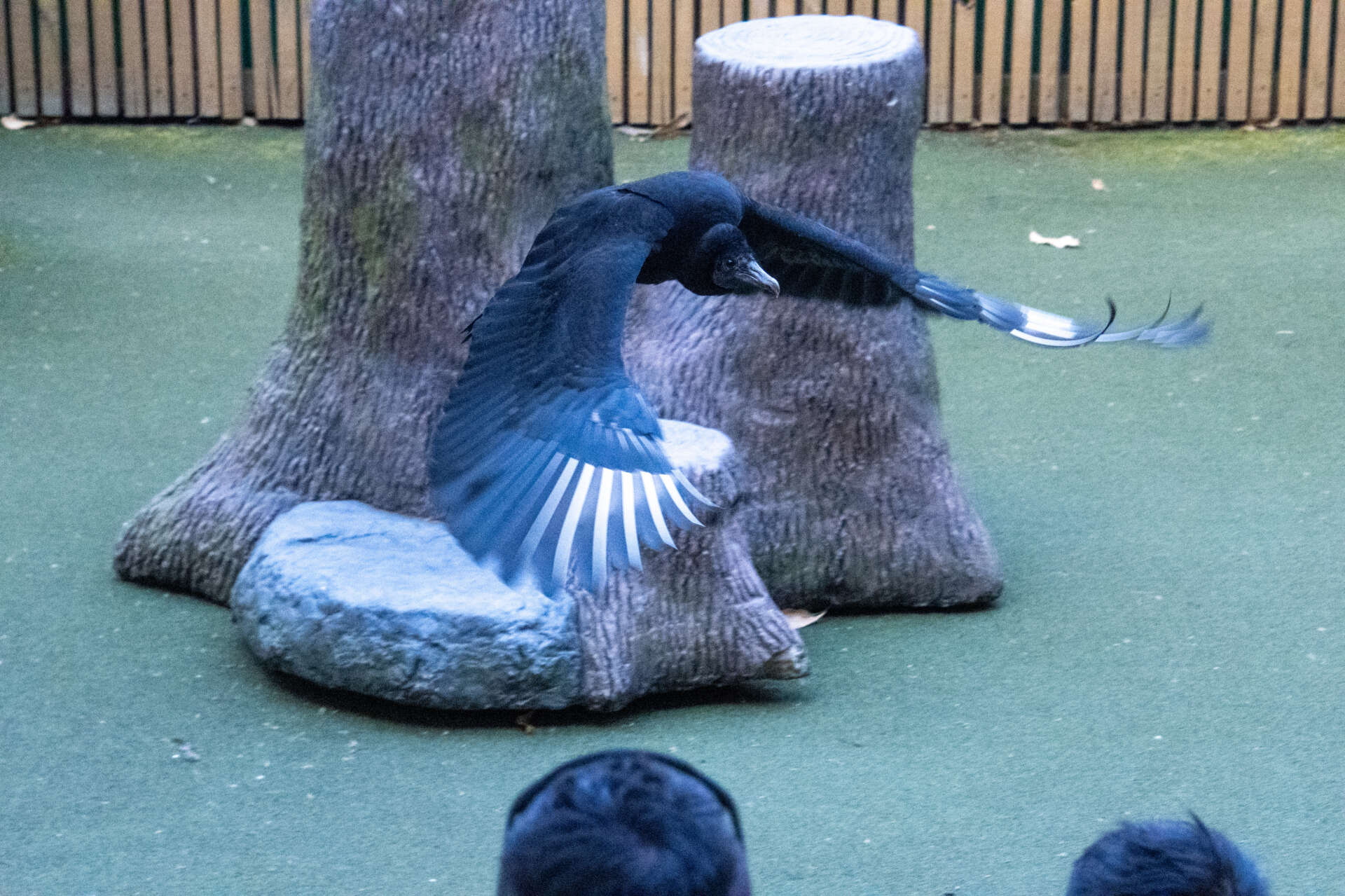
Caroline from Zoo Atlanta shares the story of Obsidian, or “Obi,” a black vulture who became a non-releasable resident after being injured in the wild. Admired for his playful personality, Obi quickly became a crowd favorite at the World of Wild Theater, where he showcases his skills and learns to fly above audiences. Caroline encourages visitors to watch Obi in action during presentations or admire him in his habitat.
- The ecological importance of black vultures and their role in the ecosystem.
- The journey of Obsidian, the black vulture, from the wild to Zoo Atlanta.
- The significance of animal rehabilitation and conservation efforts.
- The interactive educational programs at Zoo Atlanta and their impact.
- The role of animal care professionals in ensuring animal well-being and public education.
Black vultures (Coragyps atratus) are significant players in maintaining ecological health. Found widely across the United States, including urban areas like Atlanta, these birds are known for their scavenging behavior. They help clean up the environment effectively by consuming carrion, which reduces the spread of diseases. Their unique adaptations, such as a keen sense of sight and the ability to digest pathogens in decaying flesh, position them as essential sanitation workers in nature. Understanding their role can shift attitudes towards these often-misunderstood birds, painting them as crucial allies in ecosystem health.
The journey of Obsidian, affectionately known as Obi, underscores the importance of animal rehabilitation. Born in the wild, Obi’s life took a different trajectory when he suffered a leg injury. Rescued and rehabilitated, he was deemed non-releasable by wildlife authorities due to his inability to return to the wild. This unfortunate yet common scenario highlights the challenges many wild animals face, often due to human-related activities. Obi’s transition from the wild to Zoo Atlanta serves to remind the public of the vulnerability of wildlife. Through stories like his, we can promote greater awareness and support for wildlife rehabilitation efforts.
Obi’s arrival at Zoo Atlanta marked the beginning of a new chapter not just for him but also for the community that engages with him daily. Zoo Atlanta continues to prioritize animal rehabilitation and conservation, providing a sanctuary for animals that cannot thrive in the wild. This is important because it allows animals like Obi to lead fulfilling lives while serving as ambassadors for their species. The work performed by the animal care teams is invaluable. Every interaction with a non-releasable animal fosters a deeper connection between people and wildlife, enhancing understanding of ecological dynamics.
Dedicated animal care professionals play a vital role in educating the public about the significance of individual animals and their species at large. Caroline B., a member of the Ambassador Animals Team, reflects this commitment in her role. The training process they developed for Obi at the World of Wild Theater is carefully structured. It begins with a contained environment where the foundational behaviors can be established, progressing to more complex interactions outdoors. This gradual exposure ensures that he remains comfortable and well-adjusted, while also allowing the audience to view his dynamic personality.
As Obi took to the stage, he quickly became a crowd favorite. His training demonstrates positive reinforcement techniques that are widely accepted in animal training. By rewarding desired behaviors, such as flapping his wings or showcasing his flying skills, care professionals help him engage meaningfully with the audience. Such presentations not only entertain but also serve an educational purpose. Visitors learn about the ecological role of black vultures and the significance of conservation efforts related to their habitat.
Interactive educational programs at Zoo Atlanta extend these lessons beyond the theater. For instance, presentations often include discussions on the importance of vultures in their ecosystems. By shedding light on their scavenging habits and how they help recycle nutrients, the programs elevate the conversation around wildlife conservation. It invites the audience to think critically about environmental issues and the broader implications of wildlife health.
The presence of animals such as Obi creates an entry point for exploring complex issues like habitat destruction and climate change. Engaging stories make the subject matter relatable and accessible, emphasizing that each individual action accumulates and impacts global wildlife conservation efforts. Fostering such connections can ignite passion in visitors to contribute positively toward animal welfare.
The role of animal care professionals at Zoo Atlanta is crucial in this educational mission. They not only tend to the well-being of animals like Obi but also facilitate meaningful interactions that promote understanding of wildlife creatures. These professionals utilize their expertise to create safe, enriching environments tailored to the specific needs of each animal, ensuring they live healthy and enriched lives even in captivity. Regular assessments of dietary needs, social interactions, and habitat conditions inform care strategies, allowing modifications that enhance the overall health of the animals.
Furthermore, the social behavior of black vultures like Obi provides avenues for deeper understanding among visitors. Their natural social structures and hierarchies offer insights into avian behavior that can inspire interest in ornithology. By observing Obi’s interactions with caregivers and his environment, audiences gain valuable information that extends beyond mere facts. They become invested in the well-being of these animals, further bridging the gap between humans and wildlife.
The story of Obsidian the black vulture is a testament to the success of conservation and rehabilitation efforts at Zoo Atlanta. His journey illustrates the impact these organizations have on individual animals and overall environmental preservation. As more people engage with Obi and learn through his story, they are encouraged to advocate for their wild counterparts. The zoo serves as a platform for these connections, highlighting the critical need to protect and preserve natural ecosystems.
As visitors leave the theater, they carry with them not just the enjoyment of a performance but also a renewed appreciation for the role of vultures in our environment. Obi’s journey, supported by committed professionals like Caroline, plays a significant part in shaping public perception and understanding of wildlife, instilling a sense of responsibility for their conservation. Engaging with these animals humanizes the often-abstract concepts of ecological health and environmental stewardship, making them tangible and relatable.
Ultimately, every encounter with animals like Obi fosters a greater affinity for nature. The tasks undertaken by conservation organizations and dedicated staff ensure that the survival of species is not left solely to chance. Instead, through rehabilitation, education, and interactive experiences, a new generation is born with a deeper understanding of the interconnectedness of all living things. This intricate web of life thrives only when care is taken to nurture it.
The vibrant culture surrounding wildlife education at Zoo Atlanta exemplifies the essential role zoos play in contemporary conservation efforts. Seasonal programs, ongoing engagement, and specialized training not only ensure the well-being of resident animals but also ignite enthusiasm for wildlife in the broader community. The opportunity to observe animals like Obi enacts a vital component of uniting people under the collective goal of ensuring ecological balance. In the case of the black vulture, understanding their significance could inspire action toward environmental practices that protect these extraordinary birds and their habitats.
To witness Obi come to life on stage is to experience firsthand the benefits that come from dedicated conservationists. From caring for injured wildlife to educating the public about their importance, their mission encompasses an unwavering commitment to wildlife preservation. It is an ongoing dialogue that engages visitors and reinforces the value of coexistence with all forms of life. This thriving ecosystem of education and care at Zoo Atlanta represents just one of many efforts to celebrate and protect the natural world, one inspiring story at a time.
