
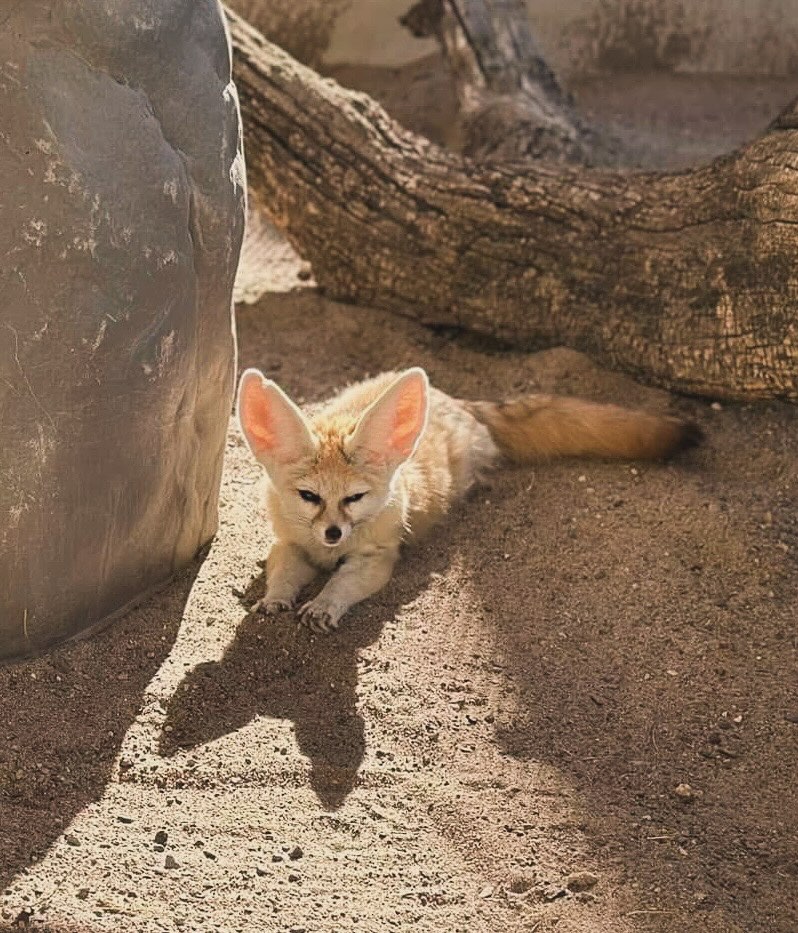
- Moose the Fennec Fox: A Dedicated Education Ambassador
- Fennec Fox Biology: Anatomy and Adaptations
- Behavior and Interactions: Moose’s Daily Life in Captivity
- Conservation Status: Challenges and Efforts
- The Importance of Educating the Public on Fennec Foxes
Moose the Fennec Fox, now celebrating his 12th birthday, represents more than just a remarkable age; he embodies the conservation message vital to our times. Fennec foxes are unique and fascinating creatures, displaying incredible adaptations that allow them to thrive in their native desert habitat. As a retired Education Ambassador animal, Moose has served as a valuable link between the animal kingdom and those interested in wildlife conservation.
Fennec foxes, the world’s smallest fox species, have garnered interest for their distinct features and captivating behaviors. Born to withstand extreme desert conditions, these creatures demonstrate outstanding physical and behavioral traits that have allowed them to flourish in their natural environment. Moose, for example, has large ears that can grow to be half the size of his body. These adaptations not only help him to detect prey beneath the sand but also serve as a cooling mechanism, allowing him to regulate his body temperature.
In Moose’s daily routine, we see the perfect blend of instincts and learned behavior. While he enjoys lounging in the sun or snuggling up under a heater, he also experiences the trademark zoomies, showcasing bursts of energy typical of a species designed for agility and quick bursts of speed. His interactions with caretakers reflect his social nature. Moose thrives on gentle scratches and engages in playful antics, contributing to a joyful environment that bolsters his mental well-being.
As we examine Moose’s life and learn about Fennec foxes, we must not overlook the challenges these animals face in the wild. Habitat loss, illegal pet trade, and climate change are all significant threats to their populations. Conservation efforts are essential to ensure that these animals continue to survive in their natural habitats. Raising public awareness about the plight of Fennec foxes can inspire action, whether through direct involvement in wildlife preservation or simply fostering a greater appreciation for the species.
The role of animals like Moose extends beyond mere entertainment; they serve as critical ambassadors for their species and habitats. By sharing his story and the unique attributes of Fennec foxes, we underline the importance of ecosystem preservation and responsible environmental stewardship. Ultimately, Moose exemplifies the message that every creature has a meaningful role in our ecosystem, and protecting those roles is fundamental for future generations.
Fennec foxes are a captivating species that piques the interest of wildlife enthusiasts and researchers alike. In their native habitats of the Sahara Desert and surrounding regions in North Africa and Arabia, these small canids navigate the harsh landscape with remarkable dexterity. Adapting to extreme heat and arid conditions requires physiological changes that set them apart from their larger relatives.
Moose, like other Fennec foxes, possesses the large ears that are characteristic of the species. These ears can grow to be up to six inches long, allowing Moose to detect the slightest sounds. This is crucial for hunting, as they rely heavily on their acute auditory capabilities to locate prey such as insects, small rodents, and other small animals hiding beneath the sand. The ears also regulate their body temperature, a crucial feature in the scorching climates they inhabit.
In addition to their impressive sensory adaptations, Fennec foxes also exhibit unique feeding habits. As omnivores, they have a varied diet that includes fruits, plants, and insects. In captivity, Moose has a well-balanced diet tailored to meet his nutritional needs, ensuring he remains active and healthy as he ages. His diet must be carefully monitored, reflecting a blend of nutrients that support his overall well-being, especially as he adapts to the changes that come with age.
Behaviorally, Fennec foxes enjoy a mix of solitary and social interactions. In the wild, they often form small family groups. Moose, having spent his life in human care, displays affectionate and social tendencies with his keepers. His love for scratches is not just an act of engagement but also a means for him to build trust and maintain connections. Such interactions play an integral role in enriching Moose’s life, keeping him mentally stimulated and socially content.
In the wild, the life expectancy of Fennec foxes is around ten years. Moose’s life of twelve years is a testament to the high quality of care provided in captivity, allowing him to thrive beyond typical expectations. Their lifespan in captivity can extend up to 14 years when provided with ideal conditions, including proper nutrition, health care, and a stimulating environment.
Despite the joy that animals like Moose bring to our lives, the threats faced by Fennec foxes in their natural habitats require urgent attention. Habitat destruction due to agriculture, urbanization, and climate change has significantly reduced their living space. Moreover, they are often targets of the illegal pet trade, which can lead to a decline in their wild populations. Conservation initiatives are essential to safeguard their future.
Organizations worldwide are increasingly focusing on efforts to conserve Fennec fox populations and their habitats. These initiatives often involve habitat restoration and public education campaigns that emphasize the ecological importance of preserving these animals and their environments. Community engagement is critical; people must understand the value of biodiversity and the roles different species play within ecosystems.
Educating the public about the significance of Fennec foxes helps foster a deeper connection with wildlife. Moose serves as an ambassador, raising awareness about said conservation issues and the delicate balance ecosystems maintain. Through education, there is potential for more individuals and organizations to get involved, supporting wildlife rescue and rehabilitation initiatives aimed at various species.
Ultimately, the life journey of Moose the Fennec fox highlights the need for a concerted effort in wildlife conservation. By engaging audiences through education, we can inspire a movement that recognizes the importance of protecting not only Fennec foxes but also the broader ecosystems they inhabit.
Moose represents a living testament to the importance of wildlife education and species conservation. As he celebrates his 12th birthday, we reflect on his contributions to both human understanding of wildlife and the essential conservation challenges that lie ahead. Through careful monitoring of animal health and habitat conditions, we can continue to support the safety and longevity of Fennec foxes and ensure a thriving environment for future generations.
*****
Source Description
❤️🎉🎂 Moose, our Fennec Fox🦊Is turning 12 years old today! According to his keepers, Moose spends a lot of time sleeping 💤😴 in the sun ☀️ or on his bed under the heater. Despite his age, he still gets the zoomies, and …. he enjoys getting scratches.
👀He is not on exhibit. He is a retired Education Ambassador animal and is enjoying life behind the scenes!
💡 Fennec Fox Facts:
– World’s smallest of foxes known for their large ears, which help them detect prey underground.
– Native to the deserts of North Africa and Arabia.
– Their ears can grow to be half the size of their bodies.
– Life expectancy in the wild is 10 years and 14 in captivity.
– They are omnivores.
