
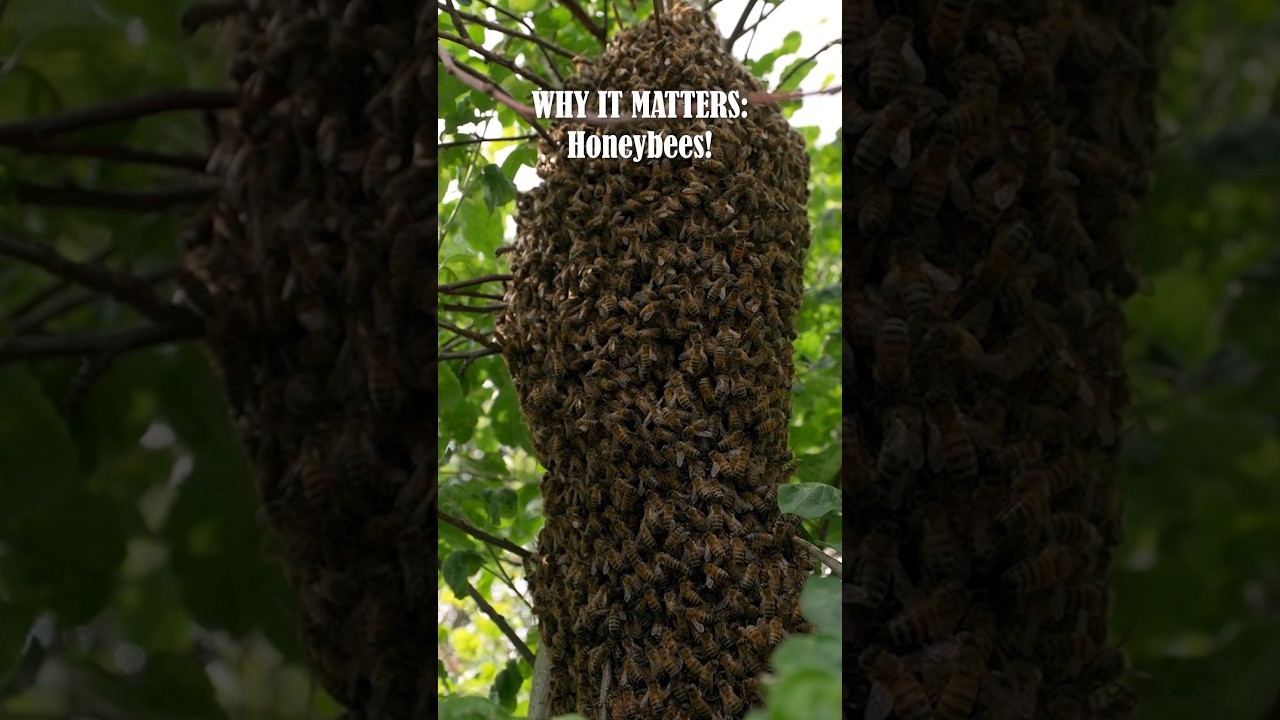
- The critical ecological role of honeybees in pollination and biodiversity.
- Threats to honeybee populations and implications for ecosystem health.
- Conservation efforts aimed at protecting honeybees and promoting sustainable habitats.
- The interplay between honeybee biology, behavior, and their environment.
- The impact of human activities and climate change on honeybee sustainability.
Honeybees are small creatures that carry immense ecological weight. Their significance transcends mere honey production. These tiny insects are crucial to global ecosystems due to their vital role in pollination. An estimated one-third of the food we consume depends on pollination, predominantly by bees. This service enhances our food supply and maintains the biodiversity of plants.
Pollination by honeybees is essential for the reproduction of many flowering plants. Their work ensures the production of seeds and fruits, encompassing a wide array of crops, from apples and almonds to berries and broccoli. This activity not only sustains human agriculture but also maintains the wellness of countless wild ecosystems. Bees, by transferring pollen from one flower to another, foster genetic diversity, strengthen plant resilience, and encourage healthy plant populations.
Despite their importance, honeybee populations face numerous dangers. One primary concern is habitat loss due to urbanization and agricultural expansion. Pesticides, particularly neonicotinoids, have sub-lethal effects, compromising bees’ immune systems and navigation abilities. Additionally, parasites like the Varroa destructor mite and diseases such as Colony Collapse Disorder further threaten them. These threats, compounded by climate change, disrupt the delicate balance within ecosystems and could lead to severe repercussions for global food security and biodiversity.
A collective global effort is underway to shield honeybees from these adversities. Conservation initiatives are diverse and include policy changes, sustainable agriculture practices, and public education. Reducing pesticide usage, preserving wildflower habitats, and promoting organic farming are pivotal strategies. Urban areas are increasingly fostering bee-friendly environments, with rooftop gardens and dedicated green spaces. Additionally, scientists are researching disease-resistant bee strains and breeding programs to bolster hive resilience.
Honeybee biology is complex and fascinating. They live in highly organized colonies with a robust social structure. The hierarchy comprises a single queen, workers, and drones. Each bee has specific duties that contribute to the hive’s prosperity. Worker bees manage a myriad of tasks: collecting nectar, feeding larvae, cleaning, and protecting the hive. The queen’s primary role is reproduction, while drones exist solely to mate with new queens.
Their advanced communication system is noteworthy. Honeybees use a unique “waggle dance” to convey the location of food sources. This behavioral repertoire demonstrates remarkable navigational skills and cognitive abilities. The synergy between their biology and environment enables bees to thrive and efficiently pollinate vast areas.
Human activities heavily impact honeybee populations. Urban development, intensive agricultural practices, and climate change are major disruptors. Rising global temperatures alter blooming periods and affect the availability of forage. Extreme weather events also pose significant risks, as they can devastate bee habitats and hinder their food-gathering capabilities.
Amid these challenges, some practices have emerged to support honeybee sustainability. Beekeepers are integral to monitoring and managing colonies, adapting to threats, and enhancing bee resilience. Rotational use of fields, fostering diverse plant species, and minimizing synthetic chemical applications are steps toward harmonizing agriculture with ecological needs.
Furthermore, public awareness and involvement play crucial roles in conservation. Educating individuals on the significance of bees and empowering them to take positive actions—such as planting bee-friendly gardens or supporting local organic producers—can create significant positive changes.
Understanding the interplay between honeybees and their habitats is vital for their preservation. Ecosystem-based management approaches highlight the importance of ecosystem health and biodiversity. Every plant and animal in a network contributes to its overall function, making every component, including honeybees, indispensable.
Innovative practices and ongoing research drive the quest for honeybee conservation, emphasizing sustainability and resilience. Researchers are exploring the potential of technology, from sensor-equipped hives to monitor health to AI-driven analytics for disease prediction. Collaborative efforts among scientists, conservationists, and the public are crucial to securing a thriving future for honeybees.
Honeybees encapsulate the intricate tapestry of natural ecosystems. Protecting them from the multifaceted challenges they face requires collective endeavor and innovative solutions. Their continued survival ensures that our ecosystems remain healthy, robust, and abundant for generations to come.
*****
Source Description
Hear directly from our expert beekeepers on Monday, July 20, during Why It Matters: Honeybees! There is still time to register: https://bit.ly/3QF514m
#Syracusezoo #Syracuse #CNY #OnondagaCounty #OnondagaCountyParks #Beekeeping #Bees #Honeybees
