
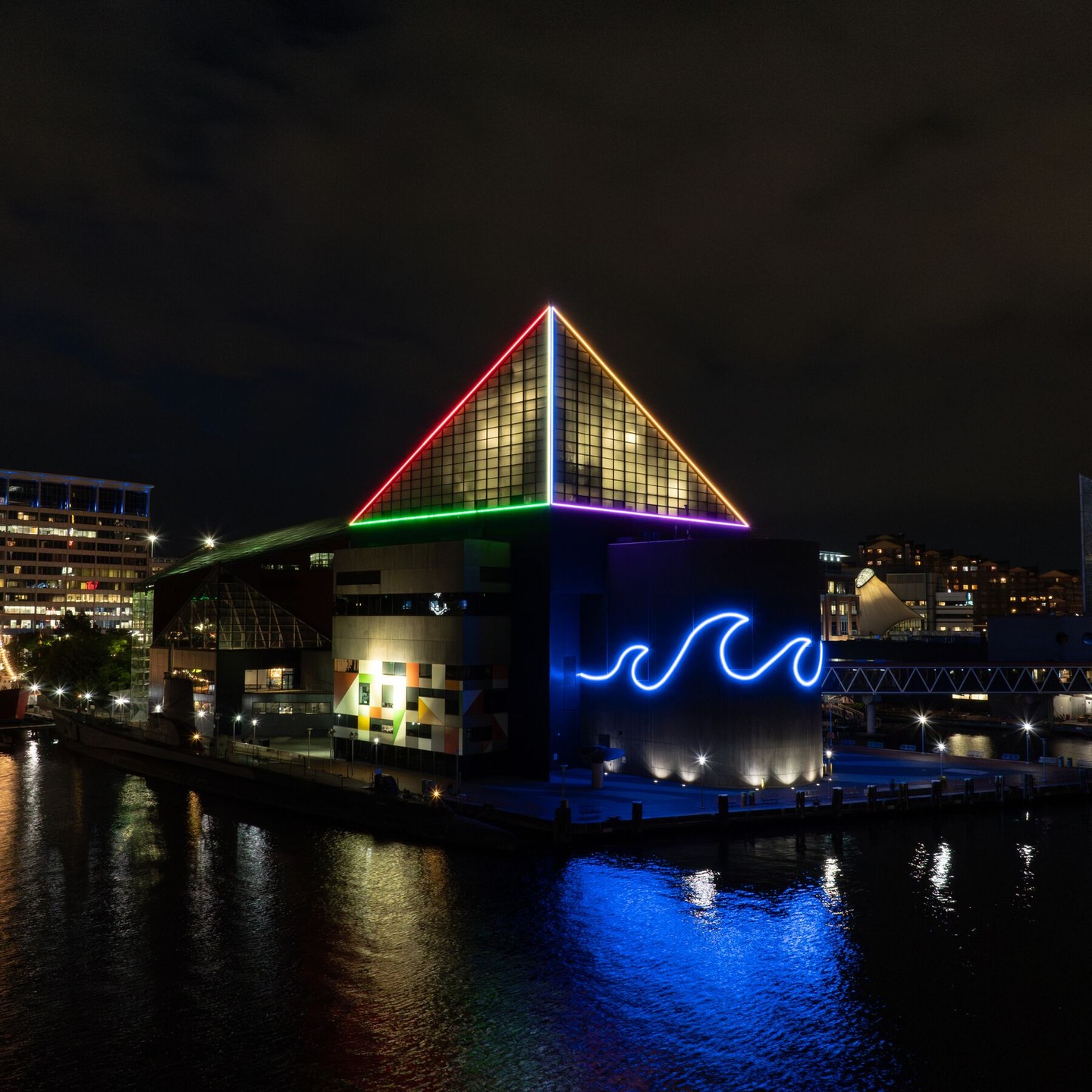
- The diversity of same-sex behaviors and sex-changing abilities in the animal kingdom, with over 1,500 species exhibiting these traits.
- Contributions of the LGBTQIA+ community to conservation efforts, research, and marine science, particularly at institutions like the National Aquarium.
- The intersection of zoology, biodiversity, and conservation in supporting and understanding diverse ecosystems.
- The importance of inclusive practices in conservation organizations, highlighting the value of varied perspectives and experiences.
- Promoting awareness and acceptance within environmental stewardship by showcasing the natural world’s diversity.
Animal Diversity in Sexual Behaviors
The animal kingdom is a vibrant tapestry of behaviors, reflecting an astonishing diversity. Among these behaviors, same-sex interactions are documented in over 1,500 species, spanning mammals, birds, reptiles, amphibians, fish, and invertebrates. This diversity is not limited to same-sex attractions but extends to complex social structures, parental roles, and partnerships. Such behaviors challenge traditional views and showcase natural diversity, emphasizing that these traits are neither anomalies nor exceptions but integral to the survival and evolution of many species.
For instance, the albatross, known for its lifelong partnerships, often forms same-sex pairs. These pairs function similar to mixed-sex pairs, sharing responsibilities like nest-building and chick-rearing. In certain penguin colonies, more than a quarter of the nests might be maintained by same-sex pairs. Beyond birds, various mammals like bonobos and dolphins exhibit intricate social structures rooted in same-sex interactions. These behaviors are not mere curiosities; they play vital roles in appeasement, alliance-building, and even establishing social hierarchies.
Moreover, about 65,000 species possess hermaphroditic abilities or can change sex. Clownfish and certain species of wrasses live in hierarchical groups where the dominant individual can change sex. This adaptability demonstrates nature’s resourcefulness in perpetuating species survival amidst environmental pressures. By studying these phenomena, scientists gain insights into evolution, population dynamics, and the effects of environmental changes on biodiversity.
Contributions of the LGBTQIA+ Community to Science
The contributions of the LGBTQIA+ community in fields like marine science, research, and conservation are profound and continuing. Institutions such as the National Aquarium actively embrace diversity, recognizing that including different voices enriches scientific discovery and societal impact. As a beacon for conservation, the aquarium fosters environments where all perspectives are valued, leading to innovative solutions to environmental challenges.
The presence of LGBTQIA+ individuals in research can challenge biases, bringing fresh perspectives to long-standing scientific questions. For example, studies on animal behaviors that deviate from typical patterns benefit from inclusive viewpoints, encouraging a deeper examination free from assumptions. This progressive outlook not only advances research but enhances conservation strategies by advocating for comprehensive, inclusive approaches.
At the National Aquarium and similar institutions, initiatives that support LGBTQIA+ scientists contribute to a broader understanding of marine ecosystems and biodiversity. By promoting inclusivity, these institutions ensure that diverse perspectives inform conservation goals, leading to more successful and sustainable outcomes.
Intersection of Zoology, Biodiversity, and Conservation
The study of zoology is intrinsically linked to understanding biodiversity and conservation. Zoologists research the complex interdependencies within ecosystems to inform conservation efforts. Embracing diverse biological behaviors, including same-sex and sex-changing traits, reveals the adaptive capacities of species, crucial for survival amid climate change and habitat loss.
These studies underscore the importance of conserving habitats that support diverse life forms. By recognizing the roles that non-normative sexual behaviors play in natural ecosystems, conservationists can develop targeted strategies that consider the ecological value of all species behaviors. For example, understanding the breeding patterns of fish that change sexes can lead to better management of marine reserves and protection of fish populations threatened by overfishing.
Furthermore, the acknowledgment of natural diversity necessitates inclusive conservation policies. It helps address biases that have historically marginalized certain groups, ensuring that conservation is a collective effort that reflects the full spectrum of life on Earth.
Inclusive Practices in Conservation Organizations
Conservation organizations increasingly recognize the value of diversity and inclusion in their operations. A diverse workforce brings varied experiences and viewpoints, crucial for addressing global environmental challenges. By welcoming the LGBTQIA+ community, conservation organizations benefit from unique insights and foster environments of tolerance and mutual respect.
Implementing inclusive policies extends beyond recruitment. It involves creating safe, supportive spaces where every individual can contribute fully. Training programs that educate staff on diversity and inclusion promote an understanding of different perspectives, reducing biases and fostering collaboration. Encouraging open dialogues about biodiversity inherently involves accepting social diversity within teams.
These practices lead to a more robust approach to conservation, one that acknowledges and embraces differences not only within human communities but across species. This cultivated diversity within organizations parallels the natural variance observed in ecosystems, promoting resilience and adaptability in environmental efforts.
Promoting Awareness and Acceptance in Environmental Stewardship
A commitment to promoting awareness and acceptance is key in environmental stewardship. By highlighting the natural occurrences of diverse sexual behaviors and adaptations in animals, we can pave the way for broader acceptance of human diversity. The natural world provides a model that diversity is not only beneficial but essential for thriving societies.
Outreach and education initiatives are vital in this endeavor, as they equip the public with knowledge of biodiversity’s crucial role in maintaining healthy ecosystems. Exhibitions, programs, and collaborative projects at aquariums and wildlife centers can publicly celebrate the contributions of LGBTQIA+ individuals in science, breaking down stigma while inspiring participation in conservation.
Educational efforts should focus on highlighting species’ adaptive strategies, demonstrating how they mirror human societal structures. As the public becomes more informed, support for inclusive policies increases, driving collective action towards preserving our planet.
In celebrating PRIDE, conservationists and institutions like the National Aquarium affirm their commitment to embracing all forms of diversity. They highlight the invaluable contributions that varied perspectives bring to understanding the natural world and addressing environmental challenges. By cultivating a culture of acceptance, we strengthen global efforts to protect the rich tapestry of life on our planet.
*****
Source Description
Who’s ready to celebrate PRIDE? 🏳️🌈 We’re celebrating the diversity found all around our planet. From co-parenting to bonding to sexual relationships, as many as 1,500 species have been documented exhibiting same-sex behaviors, and around 65,000 species are hermaphroditic, or capable of changing sexes.
The LGBTQIA+ community has made critical contributions to conservation, research and marine science here at the National Aquarium and beyond. We are proud to support and welcome this community today and every day and to give a voice to their unique perspectives. ❤️ 🧡 💜 💛 💚 🤎 🖤 💙
