
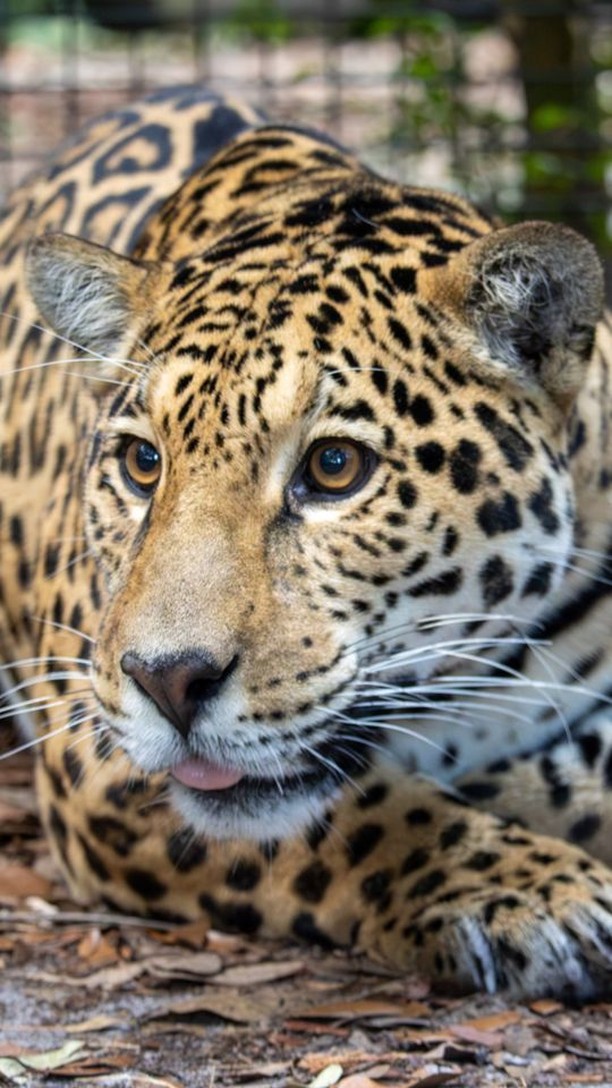
- The well-being of animal introductions in captivity
- Behavioral observations of jaguars in a zoo setting
- Importance of the Association of Zoos and Aquariums’ Species Survival Program
- The implications of jaguar breeding for conservation efforts
- Future perspectives for Lua and Khan as a pair in captivity
The well-being of animal introductions in captivity is critical for successful cohabitation. The integration of new animals, especially large carnivores like jaguars, requires careful planning and observation. When introducing Lua and Khan, our newest jaguar duo, our animal care team followed best practices to facilitate a stress-free acclimatization process. By providing a gradual introduction, we allow both cats to adjust to one another’s presence with minimal anxiety. This method typically begins with visual and auditory contact before any physical interactions. Healthy introductions can lead to a more serene environment when these two eventually inhabit the same space.
Jaguars are a solitary species, and their behavior may seem intense or aggressive to human observers. However, these actions are normal responses indicative of their natural instincts. Female jaguars, in particular, exhibit more territorial behavior, protecting their space to maintain resources such as shelter and food. During initial encounters, it’s common for jaguars to hiss, growl, or perform posturing to establish dominance. Our animal care team is closely monitoring Lua and Khan’s interactions, noting body language and vocalizations to interpret their comfort levels. This careful monitoring is vital for ensuring both animals’ safety while fostering a healthy bond between them.
Behavioral observations of jaguars in a zoo setting help improve future introductions and enrich the lives of these big cats. Zookeepers document various aspects of their interactions, including the duration, frequency, and intensity of behaviors exhibited by both Lua and Khan. Understanding these behaviors allows us to make informed decisions about when to extend their time together. Such observational efforts can boost the overall well-being of the jaguars, as they provide invaluable insights into how the animals communicate and relate to each other.
The Association of Zoos and Aquariums’ Species Survival Program plays a crucial role in promoting the health and diversity of animal populations in captivity. Lua and Khan have been identified as a recommended breeding pair through this program. Such pairings aim to preserve genetic diversity and boost populations of endangered species. Jaguars, in particular, are threatened due to habitat loss, poaching, and human encroachment. By fostering breeding pairs like Lua and Khan, we contribute to the long-term sustainability of the species. This initiative is vital, as it’s been over ten years since we welcomed jaguar cubs at our zoo. Expanding the population through breeding can ultimately impact the broader conservation efforts across their native ranges.
The implications of jaguar breeding for conservation efforts extend far beyond the confines of our zoo. Successful breeding can positively affect genetic diversity, which is crucial for long-term population health. Each animal plays a pivotal role in the genetic pool, and healthy populations are more resilient against diseases and environmental changes. Reintroducing these animals into their natural habitat may become necessary as conservation strategies evolve. While our focus remains on caring for Lua and Khan, the future may hold opportunities to contribute to wild populations, promoting stability in their ecosystems.
Future perspectives for Lua and Khan as a pair in captivity are exciting yet require continual effort from our team. As they begin to spend more time in each other’s company, the hope is to foster a symbiotic relationship that allows for social behaviors typical of their species. Positive interactions could pave the way for an even deeper bond, ultimately leading to breeding opportunities that benefit both the animals and conservation efforts.
As we continue to monitor and facilitate Lua and Khan’s relationship, we’re reminded of the larger implications of their successful pairing. Collaborative efforts across various zoos can form a network of genetic stewardship that aids in population stability. Our commitment goes beyond merely housing these magnificent animals; it involves contributing to sustainable practices that prioritize their well-being.
While much work lies ahead, our enthusiasm is driven by a commitment to responsible wildlife stewardship. With patience and attention, Lua and Khan can become an impressive breeding pair, contributing to the resurgence of jaguar populations in managed care settings. Their journey is emblematic of our dedication to animal conservation, celebrating the beauty and complexity of one of nature’s most iconic felines.
Our team eagerly anticipates sharing future updates on Lua and Khan, focusing on their behavioral changes and interactions. The ongoing documentation of their experiences will not only enrich our understanding of jaguar behavior but also educate our audience on the importance of wildlife conservation. Each interaction between these animals underscores the delicate balance that exists within the animal kingdom, reminding us of our role in safeguarding these species for generations to come.
In fostering a deeper public awareness, we can promote more substantial support for conservation initiatives. This will be crucial as we look towards the future of Lua and Khan and what their relationship may mean for jaguar conservation. Awareness leads to advocacy, and through that, we aim to inspire a generation dedicated to protecting wildlife.
Once again, Lua and Khan serve as more than just individuals within our collection—they symbolize a broader call to action for all those who care about wildlife, education, and the environment. Through their introduction, we are not only nurturing two magnificent creatures but also reinforcing our commitment to conservation efforts that can extend well beyond our zoo walls.
Our commitment to these animals reflects a broader goal of preserving biodiversity. Each species, including the jaguar, contributes to the ecological balance necessary for healthy ecosystems. As we embark on this journey with Lua and Khan, we recognize the profound responsibility of acting as custodians of wildlife. Their successful introduction, breeding, and potential release contribute to sustainable populations in the wild.
We aspire for Lua and Khan’s journey to not only change their lives but also impact the future of jaguars as a species. Their introduction explores new dimensions in animal care and management, paving a path towards a more permanent role in conservation efforts. Our ongoing efforts in keeping our audience informed buttress the communal responsibility to protect and cherish wildlife, fostering a society that values environmental stewardship.
With Lua and Khan making strides towards comfort together, we are optimistic about the possibility of welcoming new lives into the world. Each day, as their bond strengthens, we reaffirm our commitment to their well-being and the larger cause of conservation. It is our hope that these jaguars can symbolize hope and resilience amidst encroaching challenges in the natural world. As advocates for wildlife conservation, we invite the public to join us in celebrating these remarkable creatures and the efforts that make it possible for them to thrive.
*****
Source Description
A purr-fect match is on the prowl. 🐆
Lua and Khan, our two newest jaguars, are beginning introductions with one another. Our team is thrilled with how well they are both doing together.
It is typical for these big cats to be territorial of their space, especially females. Both of Lua and Khan’s responses to one another are normal and expected for their species, although it can look a bit intense to the human eye. Our animal care team monitors their behaviors closely during each of their visits, and we hope to increase the time they’re spending together. Eventually, we hope these two can coexist comfortably in the same habitat.
Lua and Khan are a recommended breeding pair through the Association of Zoos and Aquariums’ Species Survival Program. It’s been over ten years since we’ve welcomed jaguar cubs at our Zoo, and we would love to continue our legacy of helping this species’ population grow. We hope to share more updates with you soon!
