
- The significance of specialized diets in animal husbandry.
- Understanding the dietary needs of fish and aquatic species.
- The role of squashes and vegetables in animal nutrition.
- Bloodworm as a food source and its nutritional profile.
- The importance of celebratory practices in animal care and enrichment.
The significance of specialized diets in animal husbandry cannot be overstated. Animals in captivity, such as those found in aquariums and zoos, require specific nutritional profiles to thrive. These diets are often tailored to mimic their natural eating habits, which helps to maintain both physical health and psychological well-being. When preparing special foods, such as a fish-squash-and-bloodworm-cake for an animal like Claude, it is crucial to consider nutrient balance, palatability, and the preferences of the animal in question. Feeding these creatures a well-rounded diet plays a vital role in promoting longevity and quality of life.
Understanding the dietary needs of fish and aquatic species is essential for their care and conservation. Fish are often classified into categories based on their feeding habits: herbivores, carnivores, omnivores, and detritivores. Each category has distinct requirements. For example, carnivorous fish thrive on protein-rich diets that may include smaller fish, insects, or specialized prepared foods like bloodworms. Conversely, herbivores consume algae and plant matter, requiring a different set of nutrients. This variability underlines the importance of recognizing the species-specific needs when crafting a special treat like the fish-squash-and-bloodworm-cake.
Squashes and vegetables play a notable role in animal nutrition, even for carnivorous species. While it may seem counterintuitive, many aquatic animals can benefit from the vitamins and fibers found in plant matter. Squashes, in particular, are rich in vitamins A and C, along with essential minerals such as magnesium and potassium. These nutrients support immune function and overall health. When incorporated into a cake-like treat, squashes can provide an enriching food item that also stimulates natural foraging behaviors. Such enrichment is crucial in a captive environment, as it mimics the challenges these animals would encounter in the wild.
Bloodworms, a common staple in many aquatic diets, are an excellent source of nutrition. They are high in protein and essential fatty acids, making them suitable for growing fish and other aquatic species. The fatty acids support brain function and aid in the overall development of young aquatic animals. Additionally, bloodworms can attract fish, encouraging natural hunting behaviors. Using bloodworms in a special cake not only offers a nutritious option but also promotes interactive feeding, which elevates the enrichment value of the diet.
The importance of celebratory practices in animal care and enrichment should not be underestimated. These practices can foster a positive environment, both for the animals and the caregivers. Special occasions, such as “hatchdays,” provide an opportunity to create interactive experiences that promote engagement and well-being. The act of presenting a specially prepared fish-squash-and-bloodworm-cake serves as a form of mental stimulation and social interaction. Additionally, these celebrations can reinforce the bond between the caregivers and the animals, contributing to better animal welfare and increased observer interest.
The special fish-squash-and-bloodworm-cake for Claude encompasses much more than a simple dietary offering. This cake is the result of a careful understanding of aquatic nutrition, designed to deliver essential nutrients while appealing to the animal’s natural feeding instincts. By integrating components like fish, squashes, and bloodworms, caregivers ensure that Claude receives dietary diversity, which is vital for optimal health.
Moreover, creating such food items encourages caregivers to engage with the animals. The preparation involves monitoring Claude’s preferences and dietary habits, which are crucial for maintaining a balanced diet. Engaging with the animals during these processes deepens the knowledge of each individual’s needs while promoting a hands-on approach to wildlife conservation.
In addition to nutrition, the composition of the cake aligns with the principles of enrichment in animal husbandry. Enrichment strategies aim to provide an environment that stimulates natural behaviors and enhances psychological well-being. Interactions involving food, whether through training, foraging, or novel food presentations, are powerful tools in achieving this goal. Claude’s cake, presented as a festive treat, can serve as a catalyst for engaging behaviors, such as exploration and problem-solving.
The nutritional aspects of each ingredient are paramount. Fish, a primary protein source in the cake, not only meets Claude’s dietary needs but aligns with what might be consumed in the wild. Enclosed habitats often require a diet that reflects natural feeding habits as closely as possible. Incorporating high-quality fish into meals not only satisfies hunger but supports healthy growth and metabolic function.
The addition of squashes further enhances the cake, adding necessary vitamins and fiber. By choosing a less common ingredient to mix with fish and bloodworms, caregivers enrich the texture and flavor. The fiber content in squashes also aids in digestion, promoting gastrointestinal health, which is essential for overall vitality.
Bloodworms, a key feature in the cake, complement the nutritional value while being easily digestible for most fish species. They are not just a source of nutrition but also an engaging food item that often triggers instinctual hunting behaviors. This interplay between nutrition and behavior is vital in establishing a well-rounded diet that incorporates both welfare and health.
The act of preparing and presenting a cake like Claude’s not only signifies an enjoyable moment but also illustrates the values of animal care. By creating such a culinary offering, caregivers highlight the significance of thoughtful dietary practices while fostering an environment of understanding and respect for wildlife. This practice can be a powerful message for the larger community about the importance of nutrition in animal husbandry and conservation.
Celebrations involving special food items like the fish-squash-and-bloodworm-cake bridge the gap between animal welfare and public engagement. Observers, particularly visitors to zoos or aquariums, often find such events captivating. They play a critical role in raising awareness about the dietary needs and care of aquatic species. These moments serve not just to entertain but also to educate the public on the intricate relationships between nutrition, behavior, and well-being in wildlife.
Moreover, sharing these experiences on platforms such as social media can inspire others to take action in their own communities. Highlighting special practices in animal care can motivate individuals to explore similar approaches within local wildlife conservation efforts or personal pet care routines. The visibility of these practices showcases the possibilities for improving animal welfare by adopting truly enriched, scientifically informed care.
In preparing for occasions, caregivers must remain attuned to the individual needs of each animal. For Claude, this means monitoring his response to the cake and being responsive to his dietary preferences. By applying observations gathered over time, caregivers can continually adjust and enhance offerings to better suit Claude’s needs. This individualized approach also supports the principles of good animal husbandry, amplifying the quality of care provided.
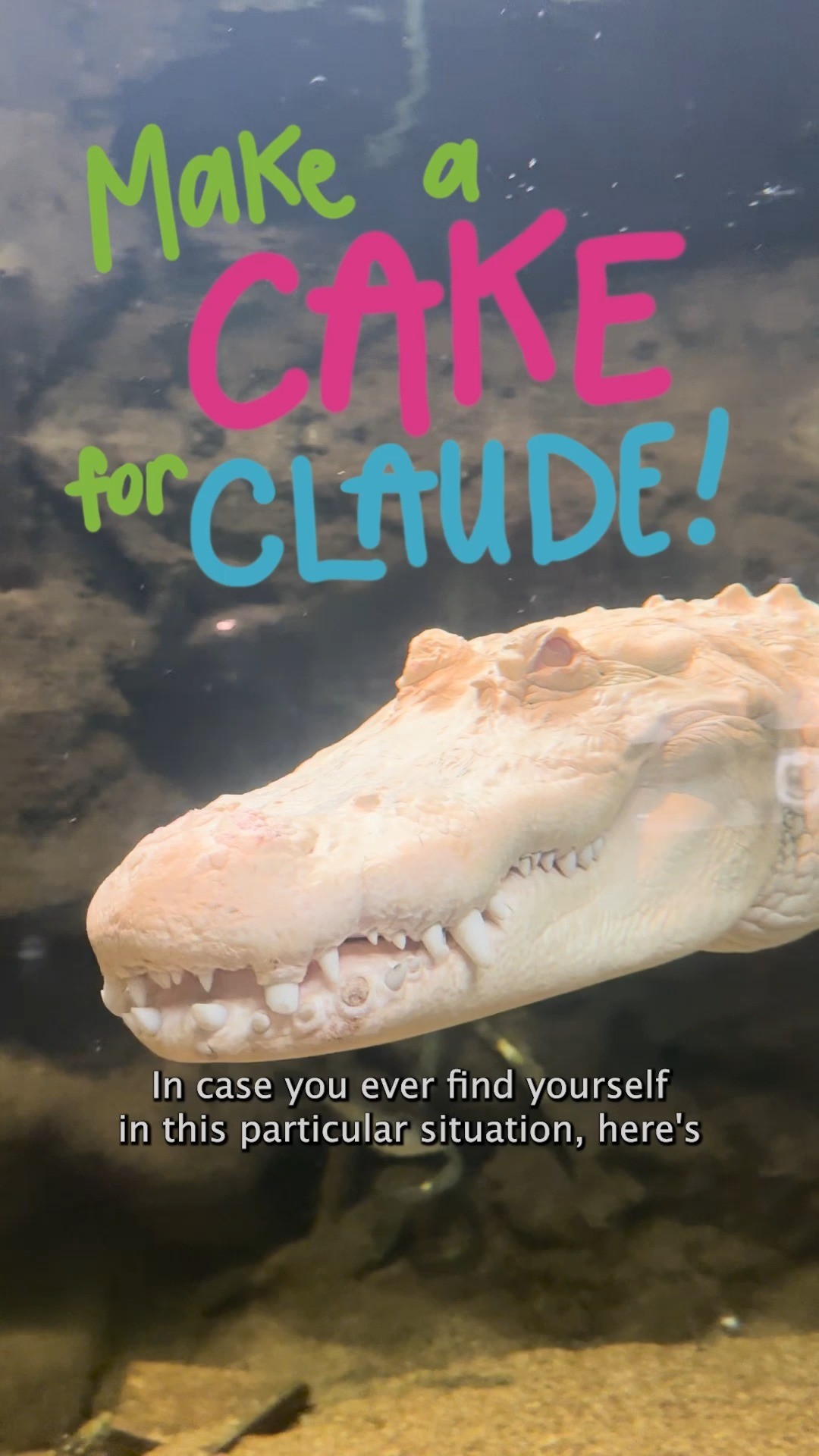
In essence, crafting a fish-squash-and-bloodworm-cake for Claude not only revolves around meeting nutritional requirements but also encapsulates a broader narrative of care, enrichment, and celebration. Each ingredient compiled thoughtfully into the cake brings forth a range of benefits, from promoting health to encouraging natural behaviors. The practice sets an example for zoos and aquariums, illustrating a commitment to both animal welfare and public education.
Ultimately, events that showcase the importance of specialized diets and celebratory practices in zoology can inspire change and greater awareness. The interactions surrounding these occasions invite conversations about nutrient needs, wildlife conservation, and the ethical responsibilities of animal care. As caretakers present the vibrant cake to the hatchday boy, they not only celebrate Claude’s life but also deliver crucial insights into the practice of animal husbandry itself. The lessons learned through such enriching interactions contribute to the broader goals of wildlife conservation and foster a deeper appreciation for the interconnectedness of life.
*****
Source Description
We made a very special fish-squash-and-bloodworm-cake for Claude. See us hand it to the hatchday boy tomorrow 🎂
