
- An overview of the Asian Giant Tortoise and its significance in conservation efforts.
- A detailed look at daily activities at the Turtle Survival Center (TSC) involving the Asian Giant Tortoise.
- Insights into the threats faced by the Asian Giant Tortoise and conservation initiatives in their native habitats.
- The role of the Turtle Survival Alliance in global conservation and education.
- Encouraging community involvement and awareness to support turtle conservation.
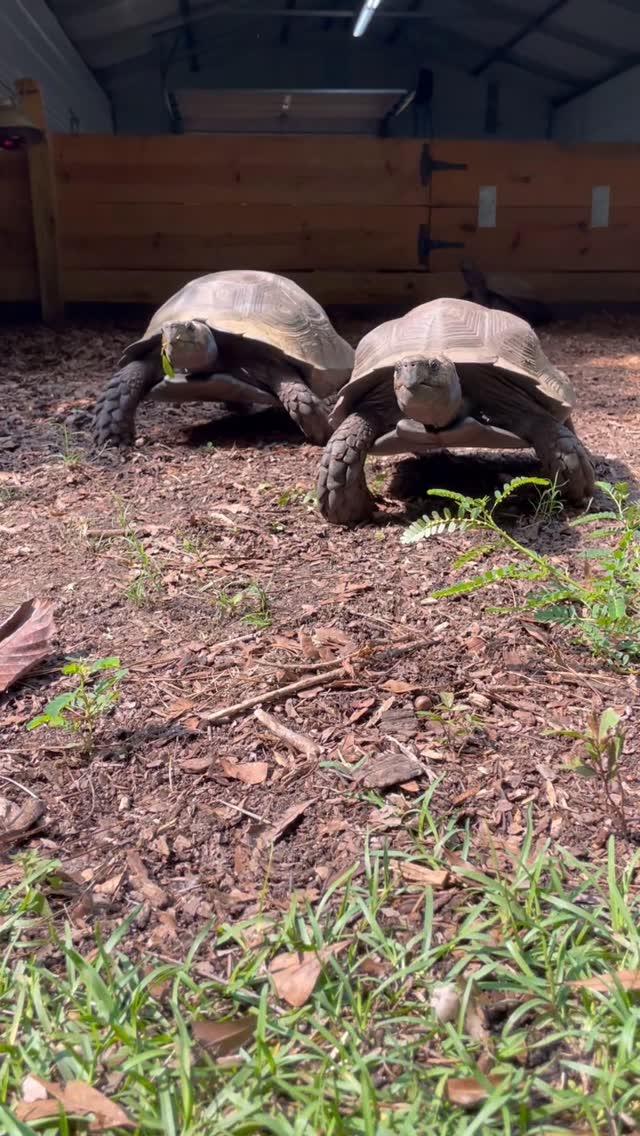
The Asian Giant Tortoise, scientifically known as Manouria emys phayrei, holds a significant place in the hearts of conservationists and reptile enthusiasts alike. As the largest tortoise species at the Turtle Survival Center (TSC), this remarkable creature exhibits a series of bold monochromatic patterns and heavily scaled limbs. Unfortunately, the population of the Asian Giant Tortoise has declined drastically owing to factors like habitat destruction, overcollection for consumption, and trade. Recognized as critically endangered by the IUCN Red List, this species requires urgent action for its preservation.
Daily routines at the Turtle Survival Center are expertly crafted to meet the needs of the tortoises. The day begins early, with staff members conducting health checks on the Asian Giant Tortoises. These examinations allow caregivers to monitor their physical condition, diet, and behavior. Staff check for any signs of illness or injury, making note of any changes in eating habits or activity levels. The Asian Giant Tortoise can weigh over 150 kilograms, and ensuring its health within the confines of the TSC is crucial.
After health assessments, caregivers prepare a balanced diet rich in fiber, which includes leafy greens, fruits, and selected vegetables. Asian Giant Tortoises thrive on a diet resembling what they would naturally consume in the wild, primarily consisting of herbaceous plants. Observations during feeding time reveal the tortoise’s feeding behaviors, which include their unique way of foraging and chewing. Every bite they take is careful and deliberate, showcasing their adaptation to a herbivorous diet.
The enclosure for the Asian Giant Tortoise is designed to mimic its natural habitat as closely as possible. Sophisticated landscaping introduces an array of trees, shrubs, and accessibility to water sources. This not only enriches their living environment but also provides the tortoises a suitable setting for their daily activities. Natural elements encourage exploration and exercise—both vital for their overall well-being. The enrichment activities are a crucial aspect of care, encouraging the tortoises to engage with their environment and maintain physical fitness.
Staff members frequently observe the tortoise’s interactions within their social structure. Group dynamics play a vital role in facilitating natural social behaviors among these tortoises. Asian Giant Tortoises display a variety of social interactions ranging from dominance displays to nesting behaviors. Already adjusted to life in captivity, they benefit from opportunities to interact with their kind, thereby replicating their natural existence.
Understanding the threats that the Asian Giant Tortoise faces in the wild is imperative for effective conservation efforts. Habitat destruction due to urbanization and agricultural expansion poses a significant risk. The natural forests and wetlands that these tortoises depend on are fast disappearing, leaving them vulnerable. Overcollection remains a challenge as well. They are hunted for food and collected for the exotic pet trade. Some cultures also believe in their medicinal properties, further exacerbating the population decline.
To combat these threats, the Turtle Survival Alliance (TSA) collaborates with organizations on the ground in regions like Bangladesh and Myanmar, aiming to protect the native populations of the Asian Giant Tortoise. These projects include habitat restoration, anti-poaching initiatives, and educational programs directed at local communities. Raising awareness among locals is vital; many people may not realize the long-term impact of their actions on the tortoise populations. The TSA emphasizes the importance of sustainable practices, providing alternative avenues for income that do not involve harming these endangered species.
In this year’s edition of “Turtles in Trouble: The World’s Most Endangered Tortoises and Freshwater Turtles,” the Asian Giant Tortoise is highlighted, underscoring the need for urgent action. The TSA uses this report to galvanize support for its initiatives and connect with other conservation efforts globally. By releasing such publications, the TSA encourages dialogue about endangered species and fosters a sense of community responsibility toward turtle conservation.
Education plays a crucial role in raising awareness about turtle conservation. Guided tours and educational workshops at the TSC offer visitors insight into the lives of the Asian Giant Tortoises and the challenges they face. Individuals who visit the center are encouraged to reflect on their own impact on the environment and how simple actions can contribute to conservation. Engaging the public through hands-on experiences fosters a deeper understanding of the complexities surrounding species preservation.
Volunteer programs are also fundamental to the work done at the Turtle Survival Center. Community members are invited to participate in habitat maintenance, animal care, and educational outreach. This involvement instills a sense of responsibility toward wildlife in the local community, ultimately benefiting conservation efforts. Furthermore, these initiatives can attract the next generation of conservationists, sparking an interest in biology and environmental stewardship.
Reflecting on a day at the Turtle Survival Center with the Asian Giant Tortoise reveals a meticulously organized effort toward conservation and education. Each activity serves multiple purposes: caring for the tortoises, enhancing their quality of life, and promoting awareness of their plight. Staff members work tirelessly to facilitate optimal living conditions and promote a deeper understanding of tortoise biology and conservation.
The Asian Giant Tortoise symbolizes a significant conservation challenge, embodying the severe impacts of human activities on wildlife. Collaborating with local stakeholders, educating the public, and facilitating direct conservation efforts are integral to the TSA’s mission. As the world faces increasing ecological challenges, providing refuge for endangered species like the Asian Giant Tortoise remains a priority.
Engaging with the daily routines of the tortoises at the Turtle Survival Center offers invaluable insights into the overarching narrative of wildlife conservation. The opportunity to observe these iconic creatures not only captivates visitors but also encourages a wildlife advocacy spirit. Through education, community involvement, and global partnerships, the fight for the survival of the Asian Giant Tortoise and its aquatic counterparts continues. Awareness can lead to action, and action fosters change—critical elements needed to ensure the survival of these magnificent animals.
The Turtle Survival Center remains committed to altering the trajectory for various endangered species. Fostering a culture of conservation is essential not just for the Asian Giant Tortoise but for all vulnerable wildlife worldwide. Ultimately, through shared knowledge and collective action, the TSC aims to pave the way for a future where both turtles and their habitats thrive. This mission highlights the vital connection between humans and wildlife, reinforcing the necessity for dynamic stewardship of our natural world.
*****
Source Description
Just an ordinary day at the Turtle Survival Center with our Asian Giant Tortoises!
The Asian Giant Tortoise is the largest species we care for at the TSC. These turtles are renowned for their large adult size, bold monochromatic appearance, and pronounced scales on their legs. The population of this species has experienced a drastic decline due to habitat destruction, overcollection for food, pet, and medicinal trades, and subsistence consumption.
The Asian Giant Tortoise is just one of the 66 most threatened species featured in this year’s edition of “Turtles in Trouble: The World’s Most Endangered Tortoises and Freshwater Turtles”, published by the Turtle Conservation Coalition. Aside from the Asian Giant Tortoises under our care at the TSC, Turtle Survival Alliance collaborates on in-country projects to preserve this species in their native Bangladesh and Myanmar.
Learn more about these and other endangered species we make a positive impact for by reading “Turtles in Trouble”, linked in our bio.
Pictured: Asian Giant Tortoise (Manouria emys phayrei)
IUCN Red List Status: Critically Endangered
🎥: Vanessa Ambas
@iucn_tftsg @creativeconservationalliance
