
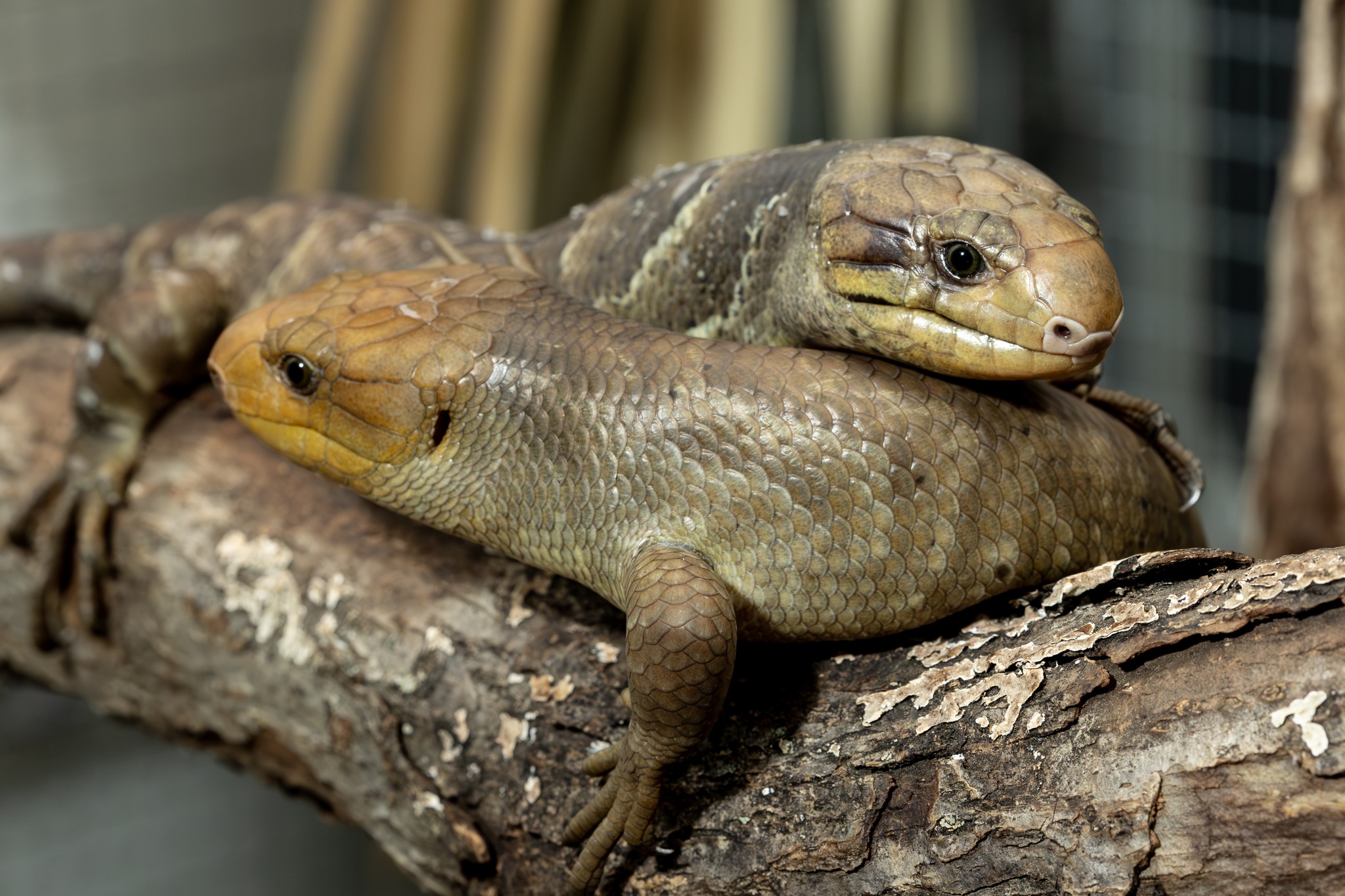
- The fascinating biology and behavior of prehensile-tailed skinks.
- The significance of parental care in prehensile-tailed skinks.
- The unconventional method of gut microbe introduction.
- The role of human care in conservation efforts for prehensile-tailed skinks.
- Insights into breeding and rearing prehensile-tailed skinks in a controlled environment.
The prehensile-tailed skink is a captivating creature renowned for its remarkable adaptability and social behavior. Native to the islands of New Caledonia, these skinks belong to the family Scincidae. Their long, prehensile tails play a crucial role in their arboreal lifestyle, allowing them to grip branches and stabilize themselves as they navigate their forest habitats. This evolutionary trait not only aids in climbing but also influences their social interactions.
One of the standout features of prehensile-tailed skinks is their extended family structure. Unlike many reptiles that exhibit high levels of independence from birth, young prehensile-tailed skinks remain with their parents for an extended period, often up to two years. This close-knit family dynamic facilitates essential learning experiences. The young are not just passive observers; they engage in social interactions with their siblings and parents, which serve as a form of mentorship.
The significance of parental care in prehensile-tailed skinks cannot be overstated. Such prolonged cohabitation allows for the sharing of essential survival skills. These skills encompass locating food sources, avoiding predators, and interacting with their environment. Furthermore, the initial stages of life are critical for the introduction of beneficial gut microbes. This microbial community is vital for proper digestion and nutrient absorption, contributing to the health and longevity of the skink.
Introducing these microorganisms into young skinks involves an unconventional method. Parent skinks partake in a unique behavior where they regurgitate food. While this may seem unappealing to us, it’s a natural and effective way to pass on necessary bacteria from parent to offspring. The regurgitated food contains partially digested plant material mixed with essential microbes that the young skinks need to thrive. This biological strategy is an excellent example of how species adapt unique methods to address their specific needs.
In controlled breeding environments, such as zoos and conservation facilities, the knowledge gained from studying these animals can aid in enhancing species survival. The role of human care extends beyond simple reproduction; it involves creating an environment that mimics their natural habitat while allowing for educational engagement. Specialized diets, enrichment activities, and social interactions are carefully planned to replicate the skinks’ ecological needs. Staff trained in animal husbandry and behavioral science work together to ensure that the skinks are healthy and well-adjusted.
Conservation is a pressing concern for many species of skinks, including the prehensile-tailed skink, due to habitat loss and environmental pressures. Conservation efforts aim not just to protect existing populations but also to ensure the long-term survival of these fascinating creatures. Educational outreach also plays a critical role, raising public awareness about their ecological significance. Educating visitors about the biology and behaviors of prehensile-tailed skinks aids in fostering appreciation and support for conservation initiatives.
Given the delicate nature of their habitats, ongoing research is essential for understanding the needs and behaviors of prehensile-tailed skinks. Ecologists and zoologists study their natural behaviors in the wild to inform best practices for breeding and rearing them in captivity. Such research can also inform habitat restoration projects aimed at preserving their native ecosystems.
Breeding and rearing prehensile-tailed skinks in a controlled environment poses its own set of challenges. Maintaining optimal environmental conditions is crucial. Temperature, humidity, and lighting must be carefully monitored to reflect the natural habitat. The adult skinks need to be provided with suitable substrates for burrowing and climbing, mimicking the forest floor of New Caledonia. Proper care and attention help prevent stress, which can lead to health issues.
Moreover, understanding the nutritional requirements of prehensile-tailed skinks is vital for their growth and development. They primarily feed on leaves, fruits, and flowers. A balanced diet is essential not only for sustaining life but also for ensuring the successful growth of young skinks. Captive diets are formulated based on what they would typically consume in the wild, often supplemented with vitamins and minerals to fill any nutritional gaps.
Another fascinating aspect of these skinks is their impressive communication skills. They employ body language and vocalizations to express needs and emotions. Their ability to interact socially is significant during the formative years spent with parents. The young skinks learn through observation and participation, which is vital for their integration into their species’ social structure.
When housed together, prehensile-tailed skinks exhibit behaviors that reflect their intricate social dynamics. They engage in grooming rituals, establishing bonds through physical contact. Such interactions play an important role in their psychological well-being and mimic the natural behaviors observed in the wild.
Protecting the habitats of prehensile-tailed skinks resonates deeply with the ideals of wildlife conservation. The unique ecological niches these animals inhabit must remain healthy and sustainable. Efforts focus on habitat conservation, including the prevention of deforestation and the rebuff of invasive species. Ensuring that ecosystems thrive benefits not only prehensile-tailed skinks but also a host of other flora and fauna sharing their environment.
In the field of zoology, understanding the intricacies of such species opens doors to greater insights that can be applied universally. The case of prehensile-tailed skinks serves as a reminder of the interconnectedness of life and the imperative to conserve diverse habitats. Every species plays a role in its ecosystem, contributing to the overall health of the environment.
The arrival of our new pair of prehensile-tailed skink babies in late September symbolizes the continuation of a legacy steeped in mother nature’s design. Their undeniable cuteness captivates admirers, yet it is their role within the ecosystem that calls for deeper understanding and appreciation. Education about their unique biology and the importance of parental care underlines the immense responsibility held by conservationists and naturalists alike.
By focusing efforts on conserving and understanding these amazing reptiles, we acknowledge their place within nature and the vital part they play in maintaining biodiversity. This paired approach—combining direct care with research—ensures a future where prehensile-tailed skinks can thrive in both managed and wild environments.
Engaging with visitors and sharing knowledge about these adorable skink babies fosters a deeper respect for all wildlife. It emboldens people to appreciate not just what these animals represent, but also what can be done to protect their habitats and promote biodiversity for future generations.
*****
Source Description
Absolutely losing it over how adorable our new prehensile-tailed skink babies are! This sweet pair made their debut in late September, and are currently living behind-the-scenes with their mom and dad. Unlike many species of reptiles, prehensile-tailed skink young stay with their parents for quite a long time- sometimes upwards of two years!
One reason for this extended “childhood” is that it’s crucial for parents to introduce the right microbes into their young’s digestive system. However, the method for said introduction is… somewhat unorthodox. Any guesses how it might work?
