
Summary of From Egg to Adventure: Two Blanding’s Turtles Begin Their Journey in the Wild:
Potter Park Zoo has successfully released two Blanding’s turtles back into the wild as part of a conservation study aimed at boosting their population. The turtles were raised through a headstarting program that protects eggs and hatchlings from predators, allowing them to grow stronger before release. One turtle was saved from a disturbed nest, while the other came from a female that had been hit by a car. Blanding’s turtles are a species of special concern in Michigan, facing threats such as habitat loss and road mortality. The zoo is also caring for over 40 additional hatchlings for future releases. Visitors are encouraged to help turtles safely cross roads and avoid taking them as pets.
- The lifecycle of Blanding’s turtles and their natural habitat needs
- The impact of predation and conservation efforts on turtle populations
- The significance of headstarting programs in wildlife conservation
- The role of Potter Park Zoo in turtle rehabilitation and release
- Community involvement and responsible actions for turtle conservation
The Blanding’s turtle (Emydoidea blandingii) is a long-lived species with a lifespan that can exceed 75 years. These turtles are recognized by their distinctive yellow chin and throat, which set them apart from other Michigan turtle species. They generally inhabit shallow, wetlands and water bodies filled with rich aquatic vegetation. However, these habitats are under increasing threat from development and pollution. Because Blanding’s turtles take an extended time to reach sexual maturity—between 14 and 20 years—they are particularly vulnerable to population decline.
Their habitat preferences include clean, shallow waters, where they can find abundant food. They also require nesting sites that are accessible and safe from predators. Unfortunately, the fragmentation of wetlands and the encroachment of urban environments limit available habitats. As a result, Blanding’s turtles often have to travel considerable distances to find nest sites. This increased movement makes them susceptible to road mortality, further reducing their population numbers.
Predation is a significant threat to Blanding’s turtles, especially during their early life stages. Turtle nests and hatchlings face a variety of predatory challenges. Animals such as raccoons, skunks, and even birds of prey will readily consume eggs and juvenile turtles. This predation, alongside other threats like habitat loss and road mortality, places Blanding’s turtles on the list of species of special concern in Michigan.
To combat these issues, Potter Park Zoo has engaged in a headstarting program aimed at enhancing Blanding’s turtle populations. This method involves collecting turtle eggs from the wild, incubating them under controlled conditions, and caring for the hatchlings until they are large enough for release. When hatchlings are bigger and healthier, they stand a better chance of surviving in their natural habitats.
In the case of the two Blanding’s turtles recently released, one was part of a disturbed nest, while the other was salvaged from a female struck by a vehicle. These cases exemplify the urgent need for conservation efforts to safeguard what remains of Blanding’s habitats. The turtles were first transferred to a specialized facility where they received the necessary care and monitoring after hatching. The decision to relocate them to Potter Park Zoo came after securing approvals from the Michigan Department of Natural Resources Fisheries Division.
Headstarting has proven effective for various species, including Blanding’s turtles. The method aims to boost turtle populations by increasing the number of young turtles that survive long enough to reach adulthood. Studies have indicated that headstarted turtles are healthier and more robust than wild turtles at the same age when they enter the ecosystem. This boost in survivability is crucial as adult turtles contribute to overall population stability.
Furthermore, the Michigan Natural Features Inventory is spearheading a comprehensive study on Blanding’s turtle headstarting. Researchers are investigating optimal methods for increasing the turtles’ survivability rates in the wild. The collaborative effort between Potter Park Zoo and state conservation agencies represents a proactive approach to wildlife management. As part of this initiative, the zoo is currently caring for over 40 hatchling turtles, which are scheduled for spring release.
Community involvement plays a vital role in the conservation of Blanding’s turtles and their habitats. Individuals can make a difference by knowing how to help turtles. For instance, if you encounter a turtle crossing the road, it’s essential to assist—only if it’s safe for both you and the turtle. It’s crucial to help the turtle in the direction it is already heading, regardless of whether that leads away from water. Preventing road mortality is one small yet impactful measure that citizens can take. It’s also imperative for people to refrain from collecting turtles from the wild for personal use. Such actions can severely disrupt local populations and degrade genetic diversity.
Blanding’s turtles are protected under Michigan law, specifically under DNR Fisheries Order 224.25, which prohibits the taking, killing, or selling of wild reptiles, amphibians, and their eggs. This legislation reflects the commitment of state agencies to preserve endangered species and habitats. It underscores the importance of protecting these turtles from various threats, including illegal poaching and habitat destruction.
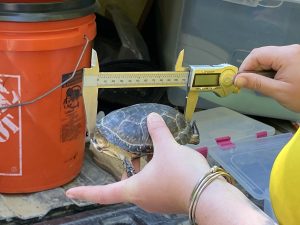
The careful measurement and monitoring of turtles before release also serves as an important part of conservation efforts. These practices allow conservationists to gather vital data on the turtles’ development and health. Such data helps inform future strategies for wildlife management and ensures that each release event contributes valuable information to ongoing research.
In conclusion, the story of the two Blanding’s turtles released into the wild represents a greater effort in conservation and highlights the importance of programs like headstarting. As Potter Park Zoo continues its mission to bolster the populations of these special turtles, they inspire a community-wide commitment to wildlife stewardship. By fostering awareness and encouraging responsible actions from the public, we can all contribute to the preservation of this important species and its habitat.
Through continued education and outreach, conservation organizations, zoos, and community members can work together to create a more sustainable future for Blanding’s turtles and other vulnerable wildlife.
