
- Importance of World Giraffe Day and its origins
- The significance of the giraffe population decline and conservation efforts
- The role of the Audubon Species Survival Center and its giraffe herd
- Introduction of new baby giraffes at the center
- How individuals can contribute to giraffe conservation
World Giraffe Day is celebrated annually on June 21 to raise awareness about these iconic animals and their conservation needs. This event is not just a joyful occasion for animal lovers; it serves a critical purpose in educating the public about the challenges giraffes face in the wild. The day was established by the Giraffe Conservation Foundation (GCF) to highlight the alarming decline in giraffe populations due to habitat loss, poaching, and human-wildlife conflict. Giraffes are not just tall; they are an integral part of the ecosystems they inhabit, making their survival essential for biodiversity.
Recently, the Audubon Species Survival Center has been actively involved in giraffe conservation. Home to seven adult giraffes—Raven, Marula, Kippi, Oso, Parker, Tumaini, and Gus—the center not only provides care and breeding programs but also educates visitors about the plight of giraffes in the wild. While these majestic animals draw the attention of many, the growing threats they face can be alarming. Over the past few decades, wild giraffe populations have decreased by approximately 40 percent. Today, it is estimated that only 117,000 giraffes remain in their natural habitats, and several subspecies are classified as critically endangered.
The decline in giraffe numbers is primarily attributed to human activities. Habitat loss, driven by agricultural expansion and urbanization, fragments their living spaces. As areas become more populated, the chances of human-wildlife conflicts increase. Additionally, poaching remains a significant threat, as giraffes are targeted for their skin, bones, and meat. Drought and other environmental changes further complicate their survival, leading to food scarcity and increased vulnerability.
Amidst these challenges, the Audubon Species Survival Center plays a vital role in giraffe conservation. This facility is committed to the Giraffe Species Survival Plan overseen by The Association of Zoos and Aquariums (AZA). This plan aims to maintain healthy populations of giraffes in controlled environments while simultaneously contributing to conservation efforts in the wild. Breeding programs at the center ensure genetic diversity and the future health of giraffe populations, thus offering hope amid the stark challenges that these creatures face.
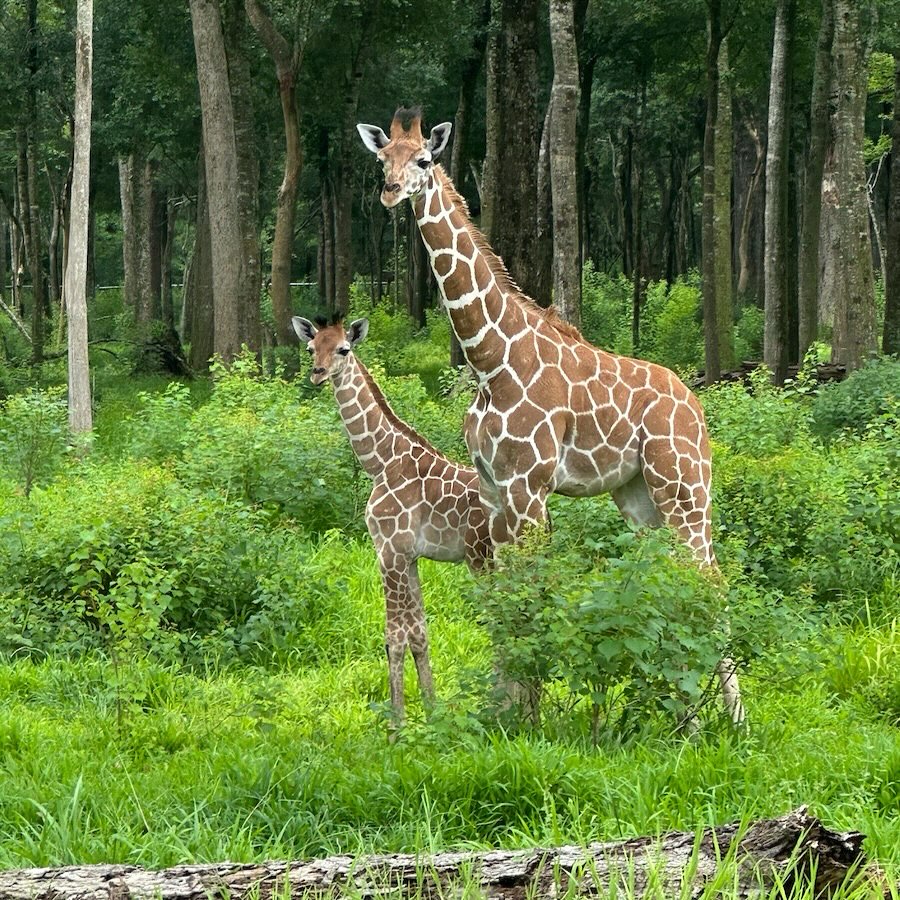
One of the most exciting aspects of this year’s World Giraffe Day celebrations is the introduction of two new baby giraffes: Skipper and Mariposa. Mariposa, born to mother Tumaini and father Gus on January 11, 2025, entered the world at an impressive height of 6’1”. Her playful demeanor already captivates zoo staff and visitors alike. Skipper, born to mother Marula and father Gus on May 14, 2025, weighed a robust 104 pounds at birth. The arrival of these calves is not merely a cause for celebration; every birth is significant in the context of giraffe conservation.
In addition to the positive developments in giraffe breeding, the Audubon Species Survival Center provides opportunities for public engagement. People can learn firsthand about the biology of giraffes, their social structures, and their habitats. Information boards and guided tours lead visitors into understanding the intricate details of giraffe life. The center emphasizes that educating the public about wildlife can influence conservation behaviors. Increased awareness can lead to advocacy and financial support for anti-poaching initiatives and habitat restoration projects.
Individuals looking to contribute to giraffe conservation have numerous avenues. Donations to organizations like the Giraffe Conservation Foundation help fund critical projects aimed at protecting these animals in their natural habitats. Volunteering time at local zoos or conservation organizations also aids educational outreach. Simple lifestyle changes, such as supporting sustainable products and being an informed consumer, contribute to broader conservation goals.
Awareness events, like World Giraffe Day, serve two major purposes: they educate and engage a wider public audience. By emphasizing the challenges faced by giraffes, organizers hope to garner support for actionable initiatives. For example, focusing on the less-known subspecies of giraffes can inspire donations and specialized programs tailored to their needs.
The population decline of giraffes is a pressing environmental issue that requires collective action. Public engagement is vital to conservation success. While giraffes may stand tall, their survival depends on each person taking a small step towards advocacy and education. The ongoing efforts at the Audubon Species Survival Center represent a model for how dedicated facilities, in partnership with bigger conservation organizations, can make impactful changes.
Efforts at the center are aligned with a larger movement to restore giraffe populations. Protecting their habitats, creating wildlife corridors, and enforcing laws against poaching are actionable steps that stakeholders can pursue. Additionally, research initiatives play a significant role. Understanding the genetic diversity of giraffe populations allows conservationists to make informed decisions about breeding strategies and introduce necessary genetic lines into captivity. These scientific advancements can be key for species survival.
Moreover, the Audubon Species Survival Center encourages a holistic view of wildlife conservation. It advocates for preserving ecosystems and highlights the interconnectedness of all living beings. Everything from plant life to smaller herbivores plays a role in sustaining giraffe habitats. Hence, responsible management practices and sustainable policies are necessary.
On World Giraffe Day, let’s reflect on the importance of giraffes and their habitats. This special day reminds us that these animals need our help. They are not just a symbol of grace and beauty; they are critical participants in their ecosystems. People must act to protect the natural environments that support not just giraffes but a myriad of other species as well.
The Audubon Species Survival Center continues to lead efforts in giraffe conservation while providing a safe home and fantastic care for its resident giraffes. The excitement surrounding the births of Skipper and Mariposa offers hope for the future while serving as a reminder of the responsibility we all share in protecting these magnificent creatures.
Together, we can foster an environment where giraffes thrive, enabling future generations to appreciate their majesty. Raising awareness, engaging in conversations about conservation, and supporting committed organizations are practical steps everyone can take. As we celebrate World Giraffe Day, let us hone our focus on their crucial place in our ecosystems and our responsibility toward their continued existence.
By joining hands, we can make strides in giraffe conservation, ensuring that these tall giants have a bright future.
*****
Source Description
Happy World Giraffe Day from the herd that call Audubon Species Survival Center home! Our Species Survival Center has seven adult giraffes: Raven, Marula, Kippi, Oso, Parker, Tumaini, and Gus. 🦒
We’re delighted to announce that on World Giraffe Day that Audubon Species Survival Center has two new baby giraffes, Skipper (left) and Mariposa (right)! Mariposa was born to mom Tumaini and dad Gus on January 11, 2025. Mariposa was 6’1” tall when she was born. Skipper was born to mom Marula and dad Gus on May 14th, 2025. Skipper weighed a whopping 104 pounds when she was born.
The number of giraffes in the wild has decreased by roughly 40 percent in the last few decades. Their numbers are impacted by conflicts with humans in their territory, habitat loss and fragmentation, poaching, drought, and other changes in their environment. There are an estimated 117,000 giraffes left in the wild, including many subspecies that are critically endangered. Every giraffe birth matters, and we are so happy to be a part of the giraffe Species Survival Plan overseen by The Association of Zoos and Aquariums (@zoos_aquariums).
Let’s stand tall for giraffes and ensure a future for these amazing animals!
