
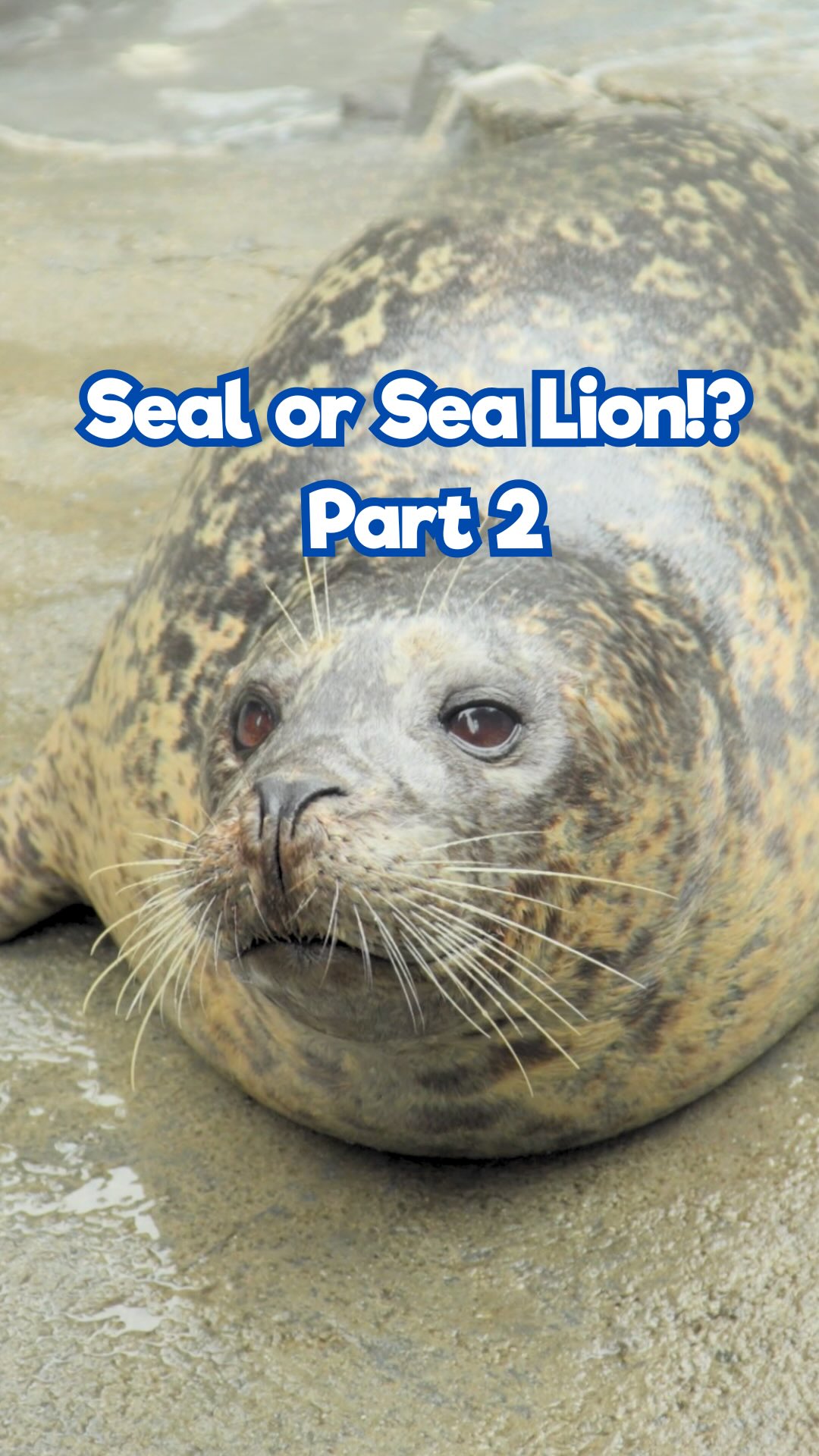
- The distinguishing features between seals and sea lions
- The biology and physiology of pinnipeds
- Behavioral characteristics of seals and sea lions
- Conservation status and challenges facing pinnipeds
- The role of aquariums in educating the public about pinnipeds
The world of pinnipeds encompasses cheerful sea lions and sleek seals, both groups sharing a habitat but varying widely in physical and behavioral traits. This article will provide an in-depth look at the differences between these two groups by focusing on their physical attributes, biology, behavior, conservation statuses, and the impact of education through aquariums.
Physical characteristics serve as the most immediate differentiators between seals and sea lions. Seals, belonging to the family Phocidae, possess a more streamlined body shape, often adapted for deep diving. They lack external ear flaps and have smaller, more rounded front flippers that do not allow for efficient land movement. Sea lions, members of the family Otariidae, possess external ear flaps and long front flippers that allow them to walk on land more comfortably. Sea lions can often be identified by their pronounced mane, particularly in males, which can give them a more robust appearance.
Additionally, seals tend to have a more robust blubber layer, aiding in insulation. This makes seals better suited for colder environments, as they do not rely as heavily on their environment’s temperature fluctuations for warmth. Sea lions, on the other hand, are generally found in warmer coastal areas, where their lighter blubber and agility on land offer advantages for survival.
Understanding the biology and physiology of pinnipeds offers greater insights into their adaptations. Seals and sea lions have unique skeletal structures that enable them to thrive in aquatic environments. Their elongated bodies and flippers allow for remarkable agility in the water. Pinnipeds have a specialized respiratory system, enabling them to hold their breath for extended periods. This allows them to dive and hunt for food while avoiding predators.
Both seals and sea lions exhibit remarkable physiological adaptations for thermoregulation, which is vital for survival. Their thick layer of blubber not only provides insulation but also serves as an energy reserve during times of scarcity. This allows them to survive extended periods without food, particularly during breeding seasons or harsh environmental conditions.
Behaviorally, seals and sea lions not only differ in their social structures but also display unique communication techniques. Seals are generally more solitary, frequently hauling out on rocks or ice by themselves. They communicate through low-frequency vocalizations, which can travel long distances under water. This is especially useful for conveying territorial signals and attracting mates.
Conversely, sea lions are far more social creatures. They often gather in large groups or colonies, where they interact closely. Their vocalizations are notably louder and more varied, including barks, growls, and even barks that can be heard onshore. This social behavior contributes to their teamwork, aiding in hunting and protecting pups from predators.
From a behavioral perspective, these social dynamics have implications for their hunting strategies. While seals may rely on stealth and solitary pursuits to catch fish, sea lions frequently hunt in groups, sharing the responsibility of chasing down schools of fish. Such teamwork can lead to more successful hunts, providing a distinct advantage in areas with plentiful fish.
The conservation status of seals and sea lions remains a pressing concern. According to various assessments by conservation organizations, many pinniped species face significant threats. Commercial hunting, pollution, and climate change have led to declining populations among both seals and sea lions.
Sea lions, particularly the California sea lions, have experienced resurgence due to conservation efforts, yet they still face challenges, such as habitat degradation and entanglement in fishing gear. In contrast, some seal species, like the harbor seal and the Hawaiian monk seal, continue to struggle under the weight of environmental pressures.
Education through institutions like aquariums plays a vital role in promoting awareness about pinnipeds. By allowing people to observe seals and sea lions up close, aquariums facilitate discussions about their biology, behavior, and conservation status. Such exposure encourages public interest and activism, fostering a community more informed about the ocean’s challenges.
Aquariums also participate in breeding programs, which can help bolster dwindling populations. These breeding programs can be critical for endangered species, as they create a genetically diverse population that can potentially be reintroduced into the wild. Moreover, aquariums often engage in rehabilitation efforts for injured pinnipeds, providing medical care and reintegration into their natural habitats when possible.
In summary, understanding the differences between seals and sea lions enriches our appreciation for these fascinating pinnipeds. Their unique physical traits, adaptive biology, and social behaviors reveal much about their ecological roles. The conservation challenges they face highlight the urgent need for collective action. Through educational initiatives and conservation efforts, aquariums serve an essential function in fostering awareness and advocacy for pinniped populations. The intricate tapestry of life that includes these marine mammals not only enhances our ecosystem but also demands our respect and responsibility. Each effort counts toward providing a brighter future for seals, sea lions, and the underwater world they inhabit.
*****
Source Description
Alex and Elsie Otter bring you part 2 of the pinniped presentation we’ve all been waiting for – Seal or Sea Lion?! @aquariumpacific
