
- Big Sky Country’s distinctive habitat, known for its flat expanses and vibrant flora, and the animals that thrive there.
- The role of zookeepers in encouraging natural behaviors in species such as prairie dogs, elk, mountain lions, and pronghorn.
- The adaptability of Big Sky Country animals to varying climate conditions and how zookeepers address these challenges.
- Conservation efforts and educational programs implemented within the zoo setting.
- The significance of public engagement and social media in fostering appreciation for wildlife and zoo initiatives.
Big Sky Country’s wildlife habitat is a sprawling expanse characterized by wide-open spaces and diverse vegetation. This area is representative of a grassland ecosystem, rich in grasses and wildflowers, supporting a variety of species that have adapted to its unique environment. Iconic animals such as prairie dogs, elk, mountain lions, and pronghorn thrive here, each demonstrating remarkable adaptability to fluctuating weather conditions. Understanding these species and their habitat offers insights into biodiversity, ecosystem dynamics, and the importance of wildlife conservation.
Prairie dogs are social rodents that play a crucial role in their ecosystem by influencing soil composition and providing food sources for predators. Their burrowing activities aerate the soil, promoting plant growth and supporting a diverse community of organisms. In the zoo setting, zookeepers create environments that stimulate these natural behaviors by replicating burrow systems and providing varied diets that mimic their wild foraging.
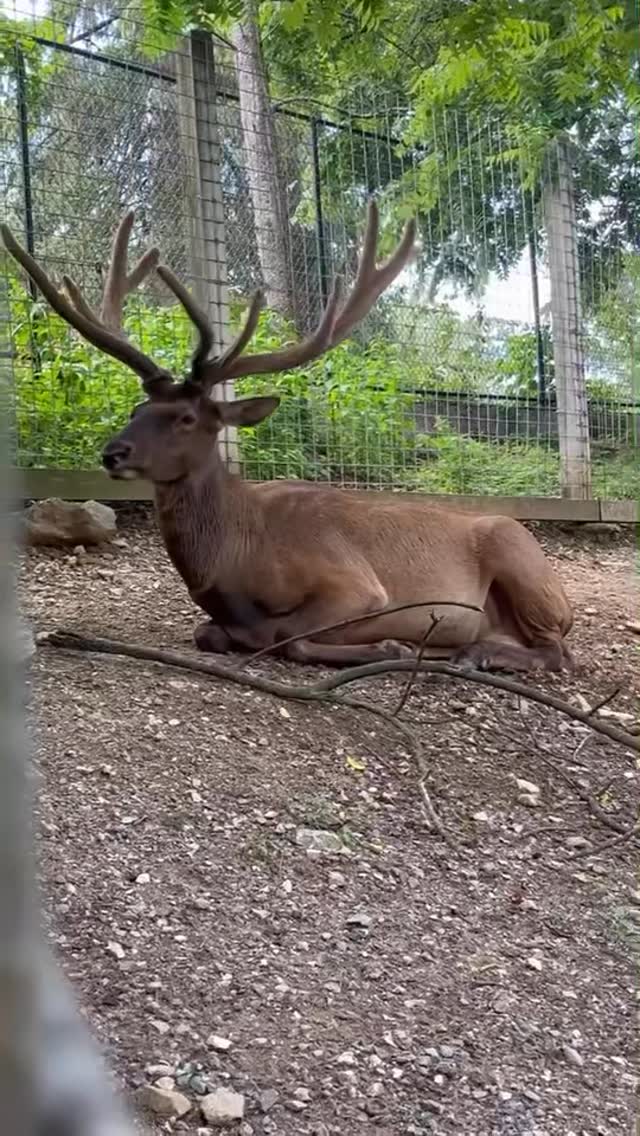
Elk, another resident of Big Sky Country, are adaptable grazers that migrate in response to food availability and climate changes. In captivity, zookeepers use enrichment techniques to replicate these migratory and grazing behaviors, ensuring the elk remain physically and mentally healthy. This involves rotating pastures and providing diverse vegetation types, which challenge the animals and encourage natural foraging practices.
Mountain lions, as apex predators, are essential for regulating prey populations and maintaining ecosystem balance. At the zoo, their enclosures are designed to promote physical activity and hunting instincts. Zookeepers use enrichment tools such as scent trails, hidden food, and climbing structures to stimulate the cats’ territorial and hunting behaviors, closely mimicking their role in the wild.
Pronghorn are notable for their speed and migratory patterns. Despite their resemblance to antelopes, they are a uniquely North American species. In a controlled environment, zookeepers facilitate their natural behavior by providing open spaces for running and objects for interaction. These efforts help pronghorn maintain their agility and social structures, critical for their survival in natural settings.
Zookeepers play an instrumental role in enhancing the natural behaviors of these animals, especially given the modern challenges of climate change. Animals from Big Sky Country are exemplary in their adaptation to environmental fluctuations, making them fascinating subjects for both research and education. Caretakers employ various techniques, such as habitat simulations and behavior monitoring, to support these adaptations and promote overall well-being.
Conservation education is a pivotal aspect of the zoo’s mission. By engaging the public through guided tours and interactive exhibits, zoos educate visitors about the species and their ecological significance. The information shared helps raise awareness about the wider challenges faced by these animals in the wild, such as habitat loss and climate change. This knowledge inspires community involvement in conservation efforts beyond the zoo.
Social media platforms like Instagram have become effective tools for zoos to engage with the public, providing insights into daily activities and special initiatives. Sharing stories and clips of zookeepers working in Big Sky Country helps bridge the gap between the zoo and its audience, fostering a virtual connection that extends the educational reach. These platforms serve as valuable resources for promoting wildlife appreciation and encouraging active participation in conservation.
Public engagement is crucial in supporting the conservation mission of zoos. By fostering a fascination with and appreciation for animals, zoos can inspire future generations to become stewards of the environment. The collaborative efforts of zookeepers, educators, and the public are essential for the continuation of conservation work, ensuring that the rich biodiversity of habitats like Big Sky Country is preserved for years to come.
*****
Source Description
Take a walk through Big Sky Country and see what our zookeepers are up to today! ⛰️
Big Sky Country is a habitat well known for its wide open and flat spaces filled with grasses and wildflowers. The animals that live there–like prairie dogs, elk, mountain lions, and pronghorn are very adaptable to changing weather and climate conditions. Our keepers work every day to stimulate those natural behaviors in the animals that call Big Sky home.
