
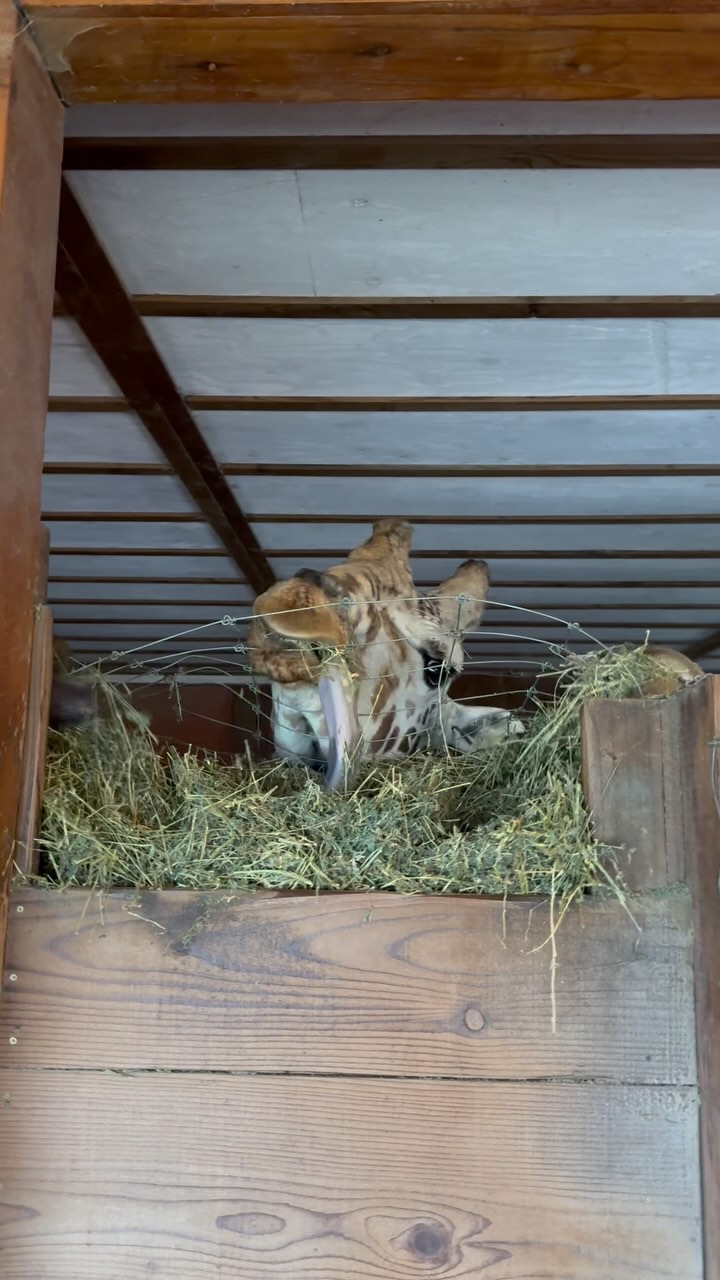
- The fascinating length of a giraffe’s tongue and its adaptations for survival.
- The surprising color variation of giraffe tongues and its evolutionary significance.
- Feeding behavior of giraffes, including their unusual techniques and preferences.
- The ecological roles of giraffes in their habitats and the importance of conservation.
- Insights into giraffe tongue physiology and the implications for their health.
Giraffes, the tallest land mammals, have tongues that can measure up to 20 inches long. This remarkable length serves various functions, from feeding to grooming. A giraffe’s tongue is adapted for reaching high branches and stripping leaves, a primary food source in their natural habitats of savannahs and woodlands. Their tongues are excellent tools for grasping tough foliage. This adaptation allows giraffes to efficiently feed on acacia trees and other challenging vegetation.
What makes the giraffe tongue particularly intriguing is its color. Giraffes typically possess a dual-tone tongue, appearing purple and pink. The darker, purple-colored portion is more exposed and is often seen extending from the mouth. This pigmentation comes from melanin, which protects the tongue from sunburn. In the intense African sun, the extended tongue can absorb considerable UV radiation, risking damage to unfavored pink surfaces. Within the mouth, the tongue transitions to pink, a region less frequently exposed to the sun.
The importance of this coloration can’t be overlooked. The giraffe’s adaptation allows it to spend extended periods feeding without the risk of sun damage. This evolutionary trait plays a crucial role in the survival of the species, enhancing their ability to thrive in arid environments. When giraffes extend their tongues to reach for food, the risk of sunburn on the exposed areas is minimized.
Feeding habits also provide valuable insights into giraffe behavior. Giraffes are known for their rather peculiar technique of accessing food. Although they could easily eat hay from the bottom of a feeder, it is not uncommon to see them reach up to the top. This behavior enables them to utilize their impressive tongue length effectively, but it can also appear rather amusing. While they could access their food more efficiently, their preference for reaching higher adds a layer of complexity to their feeding behavior.
Feeding in this way is also a display of dominance among competitors. In the wild, giraffes often feed on higher leaves to access nutrition that is less available to other herbivores. By sticking to the taller branches, giraffes efficiently avoid competition with shorter grazing animals.
Giraffes play a significant ecological role in their habitats. As herbivores, they contribute to the health of African landscapes. They help to maintain the balance of plant life by controlling the growth of trees, which in turn affects many other species. When giraffes browse on trees, they remove mature foliage, preventing overgrowth. This activity promotes the growth of new shoots, benefiting other herbivorous species that share their ecosystems.
The need to conserve giraffe populations is critical. Giraffes face numerous threats, including habitat loss, poaching, and climate change. Conservation efforts focus on habitat protection, legislation to prevent poaching, and breeding programs. Organizations dedicated to wrangling giraffe conservation emphasize the importance of education, raising public awareness about their plight.
Giraffe tongue physiology is worth noting; their tongues have a specialized structure that helps them perform their various functions. The tongue is muscular, which allows for considerable mobility and dexterity. This design enhances their ability to grasp and manipulate leaves. The surface of the tongue is also rough, increasing its ability to grip foliage securely while feeding. Smooth and flexible, the tongue can curl around branches, making it a perfect tool for a tall herbivore.
What differentiates giraffes from other animals with long tongues, such as chameleons and anteaters, is the unique physiological traits they possess. For example, while a chameleon’s tongue is highly specialized for catching insects, the giraffe’s tongue is perfectly evolved to navigate its environment for foliage. This specialization reflects the dietary preferences and ecological niches of these animals.
Moreover, giraffes have an impressive sense of taste and olfactory capabilities, allowing them to discern between nutritious and toxic plants. They can pick out specific leaves based on their nutritional content. This skill is invaluable in their search for sustenance in a wild environment where food sources fluctuate seasonally.
The colors of giraffes’ tongues also have a visual and social aspect. Giraffes tend to be highly social animals, living in groups called “towers.” In social interactions, the visibility of their tongues can be an important aspect of communication among them. The pink and purple hues might play a role in non-verbal cues during social interactions when trying to establish bonds or identify threats.
In recent years, conservationists have begun to investigate the impact of habitat degradation on giraffe populations. As agriculture and urbanization extend into their habitats, giraffes face reduced living spaces. Some subspecies of giraffe are categorized as endangered, underscoring the immediate need for concerted action. Conservation initiatives that educate local communities about the importance of giraffes can foster a protective spirit towards these majestic animals.
Engagement with local communities is vital for long-term conservation success. Many programs now incorporate eco-tourism as a method to generate income while simultaneously fostering respect for wildlife. This strategy can diversify income sources for communities and raise awareness about the importance of giraffes in their ecosystems. Successful management of wildlife resources requires the cooperation of those who live alongside these animals and know their territories intimately.
Overall, giraffes are extraordinary creatures with unique adaptations that enhance their chances for survival. Their long, dual-colored tongues are not just fascinating traits; they also serve critical functions in feeding, social interactions, and protecting against environmental elements. Understanding the complexities of giraffe biology and behavior offers essential insights into their ecological roles and highlights the importance of supporting conservation efforts. As we share this knowledge, we inspire a greater appreciation for giraffes and the myriad challenges they face, empowering future generations to strive for their protection and the conservation of their habitats.
*****
Source Description
A great demonstration of how long a giraffes tongue is and how it is different colors! A giraffes tongue is purple AND pink! The purple part is the part of the tongue that is out of their mouth the most because in Africa, they spend so much time eating with tuheir tongue out that if it was pink, it would get sunburnt! The pinker part of the tongue is the part that is mostly in their mouth but every once in a while they stick it out far enough to see it!
They love to eat hay out of the top of their feeder like this, even though there’s a much easier way to eat it out of the bottom! 😂
