
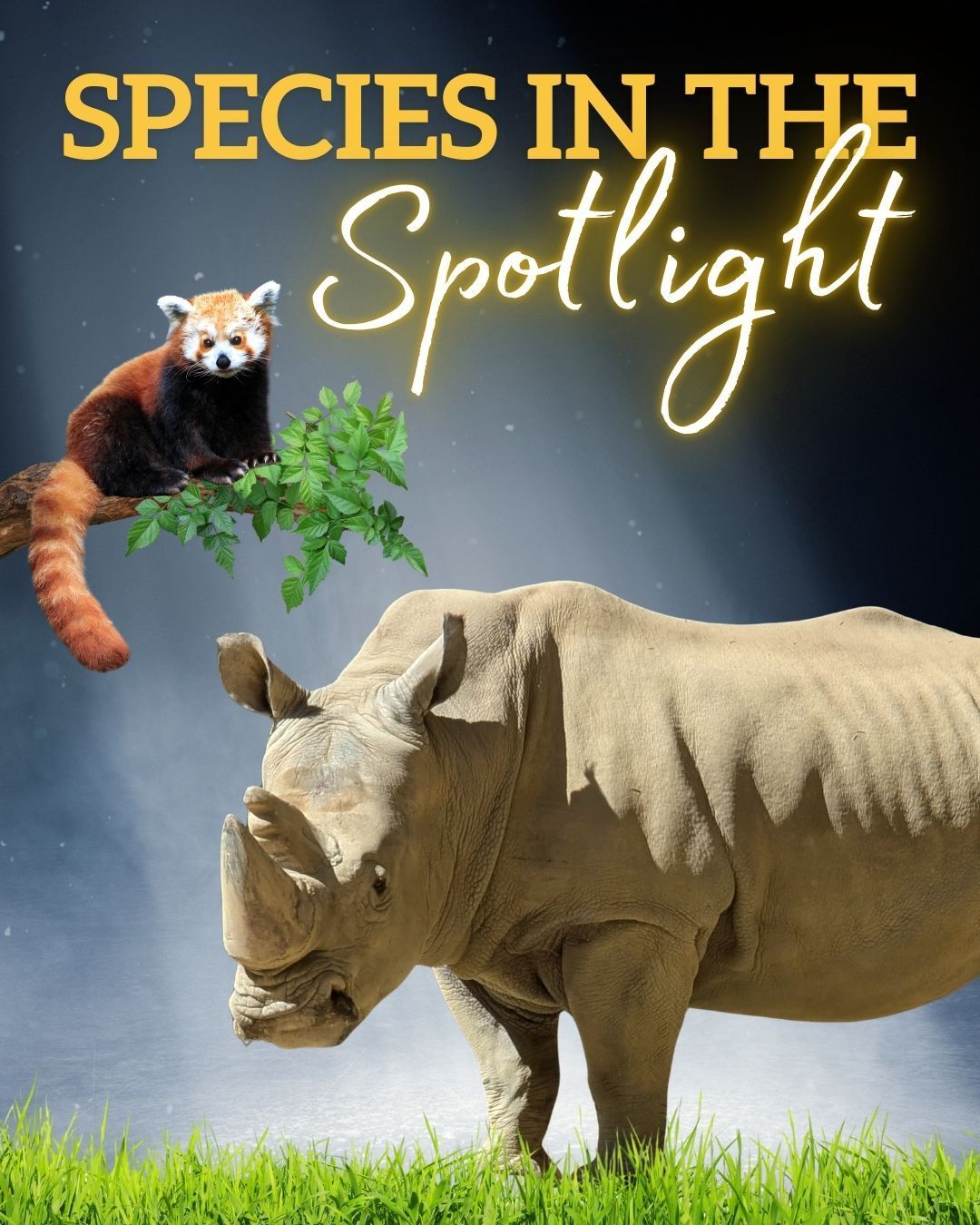
- Importance of International Red Panda Day and World Rhino Day
- Conservation efforts for red pandas and rhinos
- Activities and engagement at the Sacramento Zoo
- Educational presentations and their significance
- How attendees can contribute to conservation initiatives
International Red Panda Day and World Rhino Day are celebrated on September 21, presenting a chance to highlight the conservation needs of these species while uniting communities. In an ecosystem under stress from various factors such as habitat loss, poaching, and climate change, these observances become crucial. The Sacramento Zoo aims to not only raise awareness but also educate the public on the pressing work being done to foster survival and thriving populations of red pandas and rhinos.
Red pandas, native to the eastern Himalayas and southwestern China, face challenges primarily due to habitat destruction and poaching. As bamboo specialists, their survival is directly linked to bamboo availability. With approximately 50% of their natural habitat lost in the last few decades, red pandas are now classified as endangered. Organizations dedicated to their conservation work diligently to protect their habitats, create wildlife corridors, and implement reforestation initiatives. These efforts are key in stabilizing populations and fostering genetic diversity among isolated groups.
Similarly, rhinoceros populations are under severe threat, primarily due to poaching for their horns. Rhinos are critical to their ecosystems, serving functions such as grazing that help maintain landscape balance. Only five species of rhinos exist today, with three considered critically endangered. These animals are often victims of illegal wildlife trade, leading to significant population declines. The combined efforts of various conservation organizations focus on anti-poaching initiatives, habitat preservation, and community engagement to create sustainable practices.
At the Sacramento Zoo, the celebration of these days will feature various activities aimed at educating attendees. Interactive crafts allow families to engage with the themes while reinforcing messages about conservation. The zoo is encouraging participation in creative projects that emphasize the importance of biodiversity and the roles that red pandas and rhinos play in their ecosystems. Such actions serve to deepen the participants’ understanding and commitment to wildlife protection.
In addition to craft activities, an important aspect of the event is the special presentation by a zoo team member. Scheduled for 11 AM in the Kampala Cafe, this presentation will encapsulate the firsthand experiences of working in rhino conservation. Engaging stories from the field provide an authentic glimpse into the challenges and successes of conservation efforts. This component highlights the significance of fieldwork and the complexities faced by those dedicated to species protection.
Tickets for this enriching event are included with zoo admission, making it accessible for families. Participants not only gain insights from expert presentations but also have the opportunity to earn badges, such as “Jr. Red Panda Ranger” or “Jr. Rhino CSI.” These designations serve to engage younger audiences and encourage them to take an active interest in conservation efforts. By making conservation education fun and interactive, the Sacramento Zoo fosters a sense of ownership and responsibility among the next generation.
Conservation education plays a critical role in fostering biodiversity. By offering a platform for learning about species such as red pandas and rhinos, the Sacramento Zoo contributes to broader efforts aiming to create informed advocates for wildlife. Education drives awareness and inspires action. When communities understand the interdependence of species within ecosystems, they are typically more willing to support conservation initiatives.
The collaboration between zoos, governmental bodies, and non-profit organizations is essential to the success of these events. By pooling resources, knowledge, and manpower, significant strides can be made in conservation efforts. Detroit Zoo’s partnership with the International Rhino Foundation (IRF) serves as an excellent model where educational programs raise awareness about rhino conservation and directly impact the success of anti-poaching initiatives. Similarly, organizations like the Red Panda Network focus on local communities to foster sustainable practices that protect red panda habitats.
By participating in events such as International Red Panda Day and World Rhino Day, individuals contribute to vital conservation efforts. Additionally, support for these initiatives can extend beyond awareness events. Donations to reputable wildlife organizations and participation in local clean-up programs can serve as powerful actions toward conservation. Advocating for policies that protect wildlife and their habitats is another avenue through which individuals can effect change.
High participation in such events increases visibility for conservation goals. Awareness campaigns often lead to greater financial support for conservation programs, enabling organizations to expand their reach. When communities become involved, they help to create networks of support that can influence decision-makers at multiple levels.
As the world faces increased environmental degradation, the importance of conservation education and actions become more pronounced. Events at the Sacramento Zoo provide a vital forum for instilling a sense of responsibility toward wildlife. Engaging younger audiences through crafts, presentations, and interactive activities showcases the pressing need for informed advocates who will champion these causes as they grow.
The world’s ecosystems are interlinked, and the loss of any single species can have rippling effects on others. Red pandas and rhinos serve as indicators of broader ecological health. Their survival reflects the impacts of human activity, habitat destruction, and climate change. Therefore, every action taken to safeguard these species aids in maintaining the balance of their ecosystems.
Conservation efforts are ongoing. While challenges persist, there have been noteworthy successes driven by diverse partnerships and innovative strategies. For instance, communities in Nepal have made substantial gains in rhino population recovery due to targeted anti-poaching efforts complemented by local involvement. As awareness grows, more communities can participate actively in protecting biodiversity.
Participation in events such as these is crucial. As individuals come together to celebrate International Red Panda Day and World Rhino Day at the Sacramento Zoo, they are not merely attending an event; they are joining a movement. Each person contributes to a collective effort to advocate for conservation policies, promote education, and protect vital habitats. This sense of unity is invaluable in addressing wildlife conservation’s multifaceted challenges.
Conservation is not an isolated endeavor; it requires collective action from individuals, communities, and organizations. The observance of International Red Panda Day and World Rhino Day at the Sacramento Zoo illustrates the vital interconnectedness between local engagement and global conservation goals. The enthusiasm sparked through educational events fosters a deeper understanding, creating advocates who can drive lasting change. Active participation and ongoing education are key to ensuring a viable future for all species living alongside us.
*****
Source Description
Get ready, there’s another Species in the Spotlight this Sunday! ✨
Join us on September 21, from 9 am to 2 pm, as we celebrate International Red Panda Day and World Rhino Day here at the Sacramento Zoo!
Learn more about the important work our conservation partners are doing to support each species, engage with some interactive crafts, and even earn a “Jr. Red Panda Ranger” or “Jr. Rhino CSI” badge!
There will even be a special presentation by one of our zoo team members on her firsthand experience in rhino conservation at 11 pm in the Kampala Cafe!
Tickets to this event are included with zoo admission. See you there!
