
- Understanding the Importance of Biodiversity in Aquariums
- Discovering Overlooked Aquatic Species
- The Sailfin Sculpin: A Case Study in Aquarium Conservation
- Educational Role of Aquariums in Public Awareness
- Strategies for Conservation and Responsible Wildlife Management
Aquariums serve as more than just entertainment; they play a critical role in educating the public about marine ecosystems and the importance of biodiversity. They provide an opportunity to discover various species, including those that visitors might easily overlook. Understanding the importance of biodiversity in aquariums is crucial for fostering a deeper appreciation for aquatic life and the challenges it faces in natural habitats.
Many people enter aquariums with a focus on charismatic species, such as sharks or sea turtles. However, the true joy of visiting an aquarium lies in uncovering the myriad smaller, lesser-known species that contribute to the ecosystem’s balance. These creatures, often hiding in plain sight, are essential to the functioning of their environments. For instance, the sailfin sculpin is one such species that may not capture immediate attention but has unique adaptations and behaviors that are significant for ecological study. By learning about these overlooked species, we gain insights into the intricate web of life in aquatic ecosystems.
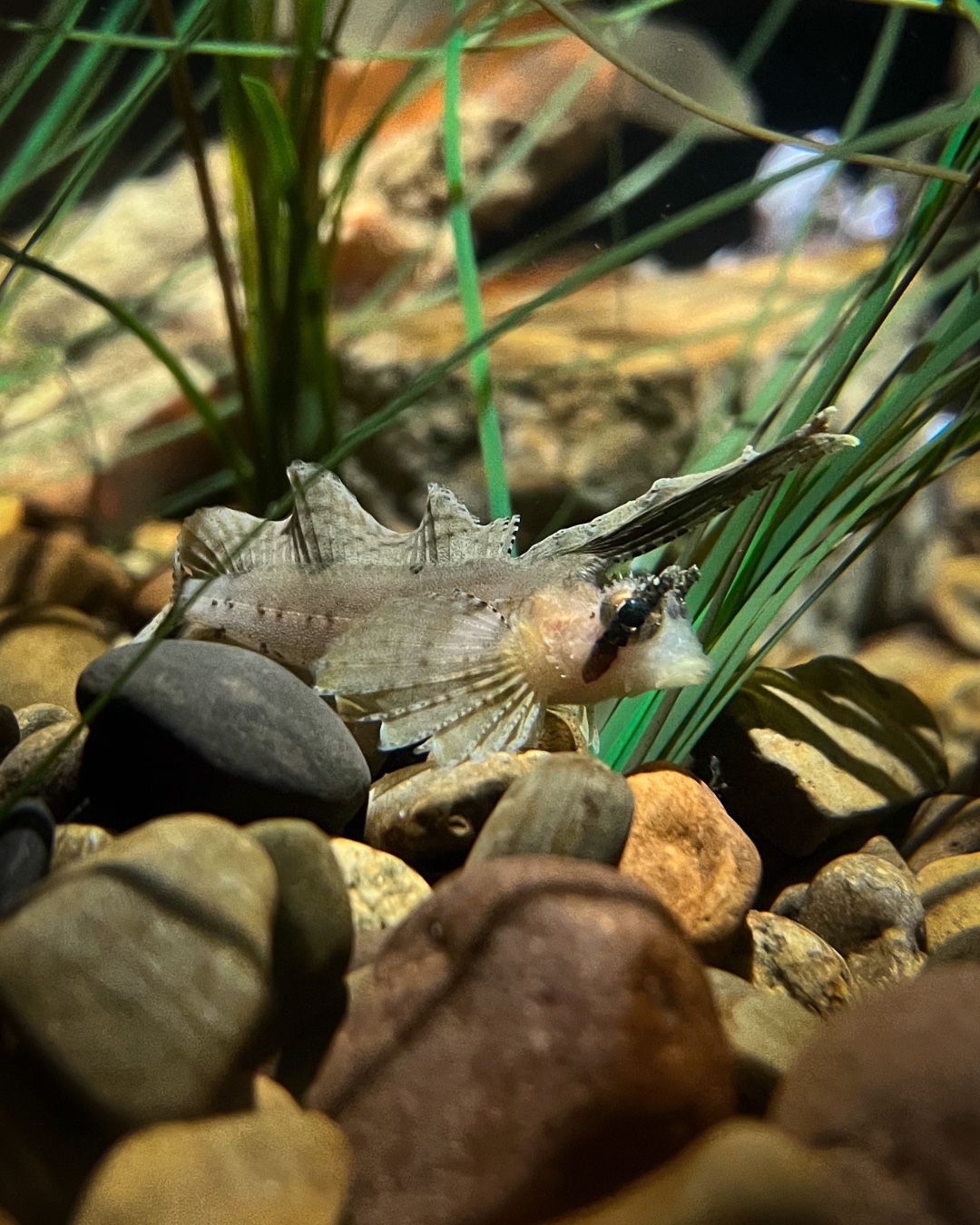
The sailfin sculpin (Nautichthys oculofasciatus) is a fascinating example of how seemingly insignificant species play vital roles in their habitats. Found primarily along the Pacific Coast of North America, this small fish measures about 4 to 6 inches in length. Its flattened body and large pectoral fins help it maneuver through rocky substrates, making it well-suited to life in tide pools and among coastal reefs. The sailfin sculpin is often camouflaged, blending with its environment, making it an easy target for human eyes to miss.
For marine biologists and conservationists, the sailfin sculpin’s habitat choices—generally rocky or sandy seafloors—serve as indicators of broader environmental changes. Changes in water temperature, pollution levels, or habitat destruction directly affect the availability of suitable environments for these species. More specifically, their sensitivity to these fluctuations makes them excellent bio-indicators for assessing the health of coastal ecosystems. By monitoring the population dynamics of the sailfin sculpin, researchers can ascertain the overall wellbeing of their aquatic habitats, which is essential for implementing effective conservation strategies.
Aquariums can serve as live laboratories to study such species, thereby enriching our understanding of marine wildlife conservation. Educational programs manifest at various levels within the aquarium setting, offering insights into these less-prominent species. Interactive displays allow visitors to engage with the information surrounding the sailfin sculpin and others, addressing questions like, “What role does this species play within its ecosystem?” and “How can understanding it help us protect its habitat?”
Moreover, promoting awareness of these species encourages a broader conservation ethic. When visitors learn about the vulnerabilities faced by the sailfin sculpin and similar species, they are more likely to support conservation initiatives. Aquariums can act as valuable platforms for outreach, engaging visitors in discussions about sustainability and responsible environmental stewardship.
Public awareness generated through aquariums can have a profound influence on conservation policies and practices. As education fosters understanding, individuals develop a sense of responsibility towards wildlife. Initiatives such as “Adopt a Fish” programs invite families to support specific marine species, including less renowned ones like the sailfin sculpin, strengthening bonds between communities and their aquatic environments.
Furthermore, aquariums are not just passive educational tools; they actively contribute to conservation efforts. Many marine facilities participate in breeding programs for endangered species and collaborate on biodiversity research projects. Such initiatives also bolster swimming populations of species threatened by habitat loss or overfishing. By incorporating the sailfin sculpin into these programs, aquariums can exemplify effective wildlife management strategies that target both charismatic megafauna and smaller, lesser-known fish.
Understanding human impact on these creatures is vital. Overfishing and pollution have drastically affected marine environments, often leading to the decline of species like the sailfin sculpin. Targeted conservation efforts, if paired with educational outreach from aquariums, can mitigate these pressures. Advocacy for regulations aimed at reducing overfishing and pollution will directly benefit both iconic species and their less visible counterparts.
Aquariums are also essential in conducting research on the effects of climate change on marine life. For instance, changes in ocean acidity and rising temperatures threaten the diverse habitats that support species like the sailfin sculpin. By using aquariums as research centers, scientists can conduct experiments and gather information that informs both public understanding and policy-making. Engaging the public in this research cultivates a sense of urgency regarding marine conservation—essential for addressing the challenges ahead.
One innovative strategy used by many aquariums is community engagement through citizen science programs. These programs empower individuals to participate in data collection and monitoring marine populations in their local areas. By involving the community in observing species like the sailfin sculpin, aquariums promote an understanding of biodiversity while simultaneously gathering essential data for conservation agencies. This grassroots approach fosters active participation, turning visitors from passive observers into engaged conservationists.
Aquariums also ensure that knowledge transfer continues beyond their walls by providing educators with access to resources about marine life. Schools can bring students to aquariums or utilize online content to teach about biodiversity, habitats, and conservation issues. When students engage with species like the sailfin sculpin, they are more likely to carry that knowledge into their lives, promoting a culture of conservation in their communities.
In summary, aquariums play a multifaceted role in engaging the public with the wonders of aquatic species that are often overlooked. By highlighting the importance of biodiversity through lesser-known species like the sailfin sculpin, they foster understanding, advocate for conservation, and implement relevant research initiatives. This multifaceted approach not only enriches the visitor experience but also serves to advance wildlife management and preservation efforts on a broader scale.
Aquariums can transform perceptions about marine life and its conservation challenges. Therefore, the next time you visit an aquarium, consider looking beyond the eye-catching species to appreciate the smaller, often-overlooked characters like the sailfin sculpin. Taking the time to explore these hidden gems will deepen your understanding of marine ecosystems and inspire efforts toward responsible environmental stewardship. Engaging with aquariums represents a critical step toward safeguarding aquatic biodiversity and the intricate balance of life in our oceans.
*****
Source Description
Part of the thrill of the Aquarium is finding all of the species you may overlook at first! For example, do you know where you can find these sailfin sculpin?
