
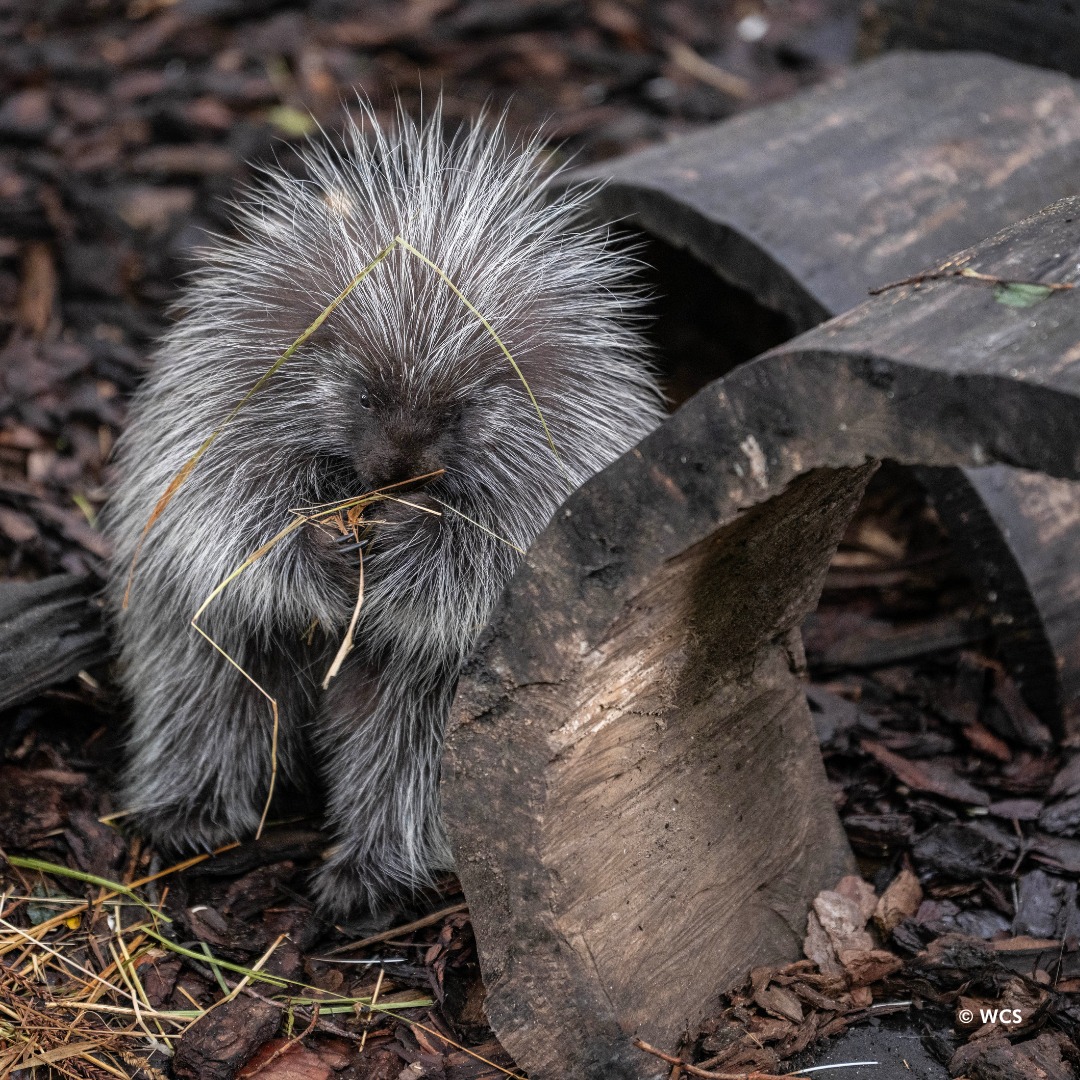
- An overview of the North American porcupine and its habitat
- Growth and development of the porcupette
- Dietary preferences and nutritional needs of young porcupines
- Importance of proper care and zoo management
- Conservation efforts and the significance of visiting zoos
The North American porcupine, classified under the family Erethizontidae, is a fascinating species known for its distinctive quills and solitary behavior. These mammals inhabit various environments across North America, from forests to grasslands. Adapted to a herbivorous diet, they primarily consume leaves, fruit, and bark, contributing to their role in forest ecology. Understanding the nuances of this species helps underscore its significance in conservation efforts.
At five months old, our porcupette is at a critical stage in her development. During this period, young porcupines begin to acquire skills essential for their survival. Climbing is particularly vital; porcupettes develop agility to escape predators and access food sources. As they navigate their surroundings, they become more adept at climbing various structures, such as branches in their exhibit. This climbing ability is innate, as porcupines often dwell in trees and rely on their impressive climbing skills to forage for food.
The porcupette’s diet plays a crucial role in her growth, as nutrition directly influences her overall health and development. She enjoys hay, which serves as an important staple in her diet. While hay comprises primarily dried grasses, it must be complemented with a variety of leafy greens and other vegetation to meet the porcupette’s nutritional needs. As she matures, her diet will evolve to include more diverse food sources. Caregivers must monitor her intake to ensure she develops properly, while also being observant of her changing preferences.
Proper care in zoological settings is vital for promoting healthy development in young animals. The caretakers of our porcupette are dedicated to providing an environment that mimics her native habitat, helping her acclimate to a space that fosters natural behaviors. Enrichment activities are essential in a zoo context; they engage the animals and stimulate their instincts. This can include providing climbing structures, hiding food, or using scents to encourage exploration and foraging behavior.
Education plays a pivotal role in zoo management. By sharing knowledge about porcupettes, zoos can foster greater awareness about wildlife conservation. Many animals face threats from habitat loss, hunting, and climate change. North American porcupines are no exception. Education programs often highlight the importance of preserving natural habitats and the role these animals play in their ecosystems, encouraging visitors to support conservation initiatives and adopt sustainable practices.
Visiting zoos has broader implications beyond just entertainment. Observing our porcupette offers a unique opportunity to connect with wildlife and deepen understanding of ecological dynamics. Through interactive exhibits and educational programs, visitors can learn about the significance of biodiversity and conservation efforts aimed at protecting species like the North American porcupine. Moreover, these experiences often inspire individuals to take action, support wildlife initiatives, and promote environmental stewardship.
Our porcupette’s growth journey is more than just a simple update; it is a window into the life of an important wildlife species. Her current phase of climbing, playing, and exploring exemplifies the early stages of porcupine life, where skill development is crucial. Visitors who come to the Discovery Trail have the chance to witness this remarkable growth firsthand, fostering a sense of connection with nature that is vital for future conservation efforts.
In managing zoo environments, understanding the specific needs of porcupettes and adult porcupines helps zoos create habitats that closely resemble their natural conditions. Young porcupines should have spaces that allow for climbing, hiding, and social interactions, even if they are primarily solitary animals. A thoughtful design can enrich their experience and well-being, contributing to their physical and psychological health.
Furthermore, providing appropriate veterinary care is critical. Regular health assessments ensure that young porcupines remain free from illness and grow strong. Caregivers track their growth metrics, observing body weight and signs of developmental changes. Understanding the health parameters that define a healthy porcupette is essential for fostering a healthy adult population.
The conservation status of North American porcupines highlights why species like our porcupette are crucial to protect. While their populations are stable, threats like habitat destruction and climate change pose risks. By educating the public about these challenges, zoos act as crucial intermediaries for wildlife conservation. They serve as hubs for promoting discussions about sustainable practices and habitat preservation, galvanizing community involvement.
The intricate relationship between animal welfare and conservation efforts underscores the capacity for zoos to foster positive change. Engaging visitors ignites interest in wildlife, driving support for habitat protection and legislative measures aimed at preserving natural ecosystems. The porcupette’s life story reflects broader themes important to wildlife management and conservation.
In sum, the five-month update on our porcupette shines a light on her growth, the importance of her species, and the role zoos play in wildlife education and conservation. By spotlighting young animals, zoos can inspire future generations to appreciate and protect the natural world. As our porcupette thrives, she serves as a gentle reminder of the interconnectedness of wildlife and the ecosystems they inhabit. This connection has never been more crucial as we face environmental challenges on numerous fronts.
Visiting our porcupette allows the public not only to marvel at her growing independence but also to engage with the conservation message inherent in her presence. Each time a visitor watches her climb or observes her unique behaviors, they gain insight into the larger mission of wildlife conservation. We encourage everyone to take the opportunity to meet our porcupette before she fully matures, creating memories that can transcend generations, helping to safeguard wildlife for years to come.
*****
Source Description
It’s time for a porcupette update! Our baby North American porcupine is five months old! Her keepers tell us that she enjoys eating hay and is becoming adept at climbing the branches in her exhibit. We hope you can visit her on the Discovery Trail before she’s all grown up!
