
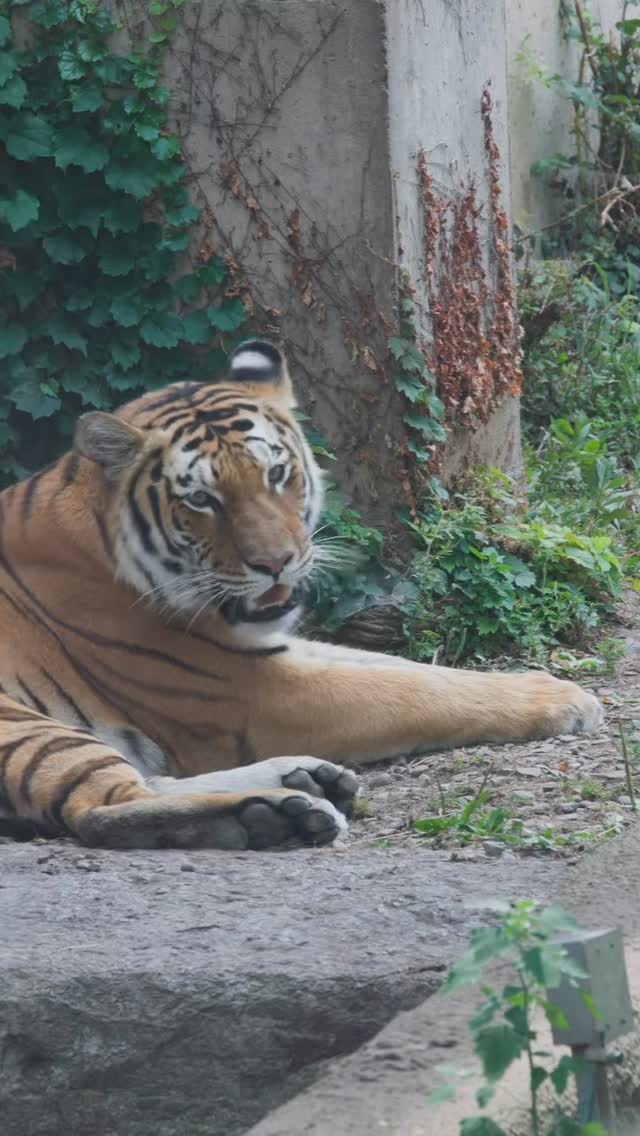
- The importance of communication in animal behavior.
- Ash’s chatty nature as a reflection of social dynamics in wildlife.
- The role of vocalizations in advancing conservation efforts.
- Zoo management strategies for promoting healthy animal interactions.
- Insights on fostering a deeper understanding of species through observation.
The significance of communication within the animal kingdom extends well beyond simple vocalizations. It encompasses various forms of interaction, including body language, scent marking, and social grooming. Among these, vocal communication plays a vital role, especially in mammals and birds. One animal exhibiting fascinating vocal behavior is Ash, a tiger known for its chatty disposition. This distinctive trait allows for exploration of social dynamics among tigers and other wildlife.
Ash’s talkative nature provides insights into how communication shapes relationships within animal communities. In many species, vocalizations serve functions such as attracting mates, defending territory, or signaling alarm. In the case of Ash, vocalizations serve to reinforce social bonds, communicate needs, and establish hierarchy among other zoo inhabitants. This phenomenon is not isolated to tigers but can be observed across various species, including primates and cetaceans. Understanding these communication strategies enhances our appreciation for the complexity of animal interactions.
Vocalizations can also significantly contribute to wildlife conservation initiatives. The sounds animals produce can indicate their well-being, stress levels, or changes in behavior, offering valuable data for researchers. For instance, the frequency and type of calls made by Ash can highlight environmental stressors, revealing how captive and wild animals react to their surroundings. Researchers can then respond with measures aimed at improving habitat conditions, either in the wild or within zoos. Moreover, specific vocal patterns may serve as indicators of population health, guiding conservation strategies more effectively.
Zoo management plays an instrumental role in fostering environments where natural communication flourishes. Special attention must be given to the social structures of species when designing habitats and enclosures. Enhancing social dynamics among animals can stimulate more vocal interactions and lessen stress, ultimately benefiting overall animal health. For example, enclosures for social species like tigers could include features that encourage vocal communication, such as varied landforms and hiding spots, allowing for natural interactions.
By observing Ash and other animals, zoo professionals can glean insights that reinforce the importance of species-specific needs. This understanding facilitates the creation of environments conducive to natural behavior. Facilities that prioritize these needs often report improved animal health, lower stress levels, and greater engagement in natural behaviors like vocalization. Such observations foster a deeper appreciation for species in captivity and underscore the integral role communication plays in the wildlife conservation equation.
Furthermore, promoting animal communication can have educational benefits for visitors to zoos. Observers learn about the intricacies of animal social interactions, including how vocalizations contribute to these dynamics. Educational programs centered around these themes can enrich visitor experiences, enabling zoo-goers to appreciate the nuances of animal behavior. Collaborative programs that share data and experiences from various institutions can amplify these messages, driving broader awareness regarding the importance of wildlife conservation.
Incorporating technology into zoo management can further enhance communication understanding. Solutions like acoustic monitoring enable researchers to study animal sounds in natural habitats and captivity, providing valuable data that informs both conservation strategies and visitor education. By analyzing these recordings, scientists can uncover patterns in vocal behavior, leading to improved animal care and management practices.
Ultimately, Ash’s chatty mood becomes a gateway to understanding the multifaceted nature of communication in animals. It serves as a reminder that each vocalization carries meaning, whether for social bonding, territorial assertion, or alerting to danger. Recognizing these signals not only enriches our comprehension of the natural world but also emphasizes the need for mindful conservation efforts.
In preparing for effective wildlife management, it is critical to consider the social dynamics of species. For instance, tigers are naturally solitary animals; however, in areas where they cooperate or share resources, vocalizations become even more crucial for maintaining order within that social structure. Engaging with such intricate behaviors enriches the zoo experience and enhances conservation messaging about the species.
Furthermore, the impact of environmental factors on vocalizations cannot be understated. Changes in habitat due to urban development or tourism can affect animal communication, leading to increased stress or altered social structures. Being attuned to these shifts can facilitate timely interventions aimed at protecting natural behaviors. For example, public awareness campaigns can help to reduce disturbances in areas where animals communicate, ultimately leading to more stable populations.
From a broader perspective, understanding vocal communication can play a pivotal role in fostering a deeper respect for wildlife as a whole. By demystifying animal interactions and providing visitors with insightful knowledge, zoos can become educational platforms that inspire stewardship and conservation action. Visitors who leave with a deeper connection to animals are more likely to advocate for policies that protect natural habitats.
Such interactions offer invaluable perspectives on the critical nature of animal communication. They highlight the importance of preserving intact ecosystems where animals can thrive and communicate freely. As we foster a greater understanding of these behavioral nuances, we stand to benefit from more effective conservation strategies aimed at protecting biodiversity.
Educational initiatives also play an essential role in promoting animal communication awareness. Programs that engage the public through interactive experiences can enhance understanding and empathy. Storytelling and firsthand observations create a narrative around the life of animals like Ash, making complex behaviors more relatable.
In summary, the revelations brought forth by Ash’s chatty mood exemplify the profound significance of communication within the animal kingdom. Each sound produced by animals serves as a window into their social lives, needs, and overall well-being. As enthusiasts of wildlife and conservation, recognizing these interactions can transform how we approach animal care and management.
Ash’s compelling vocal demeanor emphasizes the importance of respectful observation and interaction between humans and wildlife. Understanding animal communication can not only improve the quality of life for those in captivity but also inform conservation efforts that maintain healthy ecosystems in the wild.
Engaging with animal behavior, particularly through vocalizations, invites a coalition of wildlife researchers, zoo managers, and visitors. This aligns interests toward a communal goal: preserving the wonders of nature while promoting a culture of informedand responsible coexistence. The story of Ash is not just a single narrative; it is emblematic of an ongoing dialogue between humans and the animal kingdom. As we continue to study and understand these interactions, we pave the way for innovative conservation efforts that can resonate on a global scale.
In the context of zoology, the study of animal communication serves as a foundation for comprehending broader ecological systems. Vocalizations can transmit critical information about population dynamics, mating strategies, and even predator-prey relationships. Those engaged in managing wildlife conservation must prioritize understanding these behavioral nuances to optimize both in-situ and ex-situ strategies.
Conservation efforts are most effective when they embrace collaborative approaches that respect natural communication systems. Organizations that work closely with local communities and leverage indigenous knowledge can make headway toward innovative solutions that align with both human interests and wildlife needs. Engaging local populations in the conservation dialogue can often result in grassroots efforts that protect critical habitats, allowing wildlife, including chatty creatures like Ash, to flourish.
The importance of Ash’s vocalizations also extends to the genetic factor influencing communication patterns. Variations in calls among different tiger populations highlight the role of geographical and genetic diversity in vocal behavior. Understanding these differences can inform breeding programs aimed at preserving genetic integrity, thereby ensuring future populations can communicate effectively, maintain social ties, and thrive.
Zoo environments that prioritize vocal communication often deploy enrichment programs that enhance a species’ natural behaviors. By introducing auditory stimuli—like recordings of conspecific calls—staff can stimulate vocal responses that enhance the animals’ psychological well-being. Furthermore, such enrichment activities serve as a focal point for staff to engage in enriching conversations about animal behavior with visitors, making educational experiences more impactful.
The technological evolution in wildlife research has also revolutionized our understanding of communication patterns. The advent of bioacoustics, which studies the sounds produced by animals, has enabled scientists to collect data that would be nearly impossible to gather via traditional observation methods. Acoustic devices placed in natural habitats can capture vocalizations that reveal social structures, territorial claims, and stress responses, thus providing more comprehensive insights into animal behavior.
Different species exhibit distinct vocal repertoires suited to their ecological niches. For example, as a social species, elephants use low-frequency rumbles that can travel for miles, facilitating communication across vast landscapes. Understanding such nuances allows for a greater appreciation of the diversity of communication modes in wildlife, highlighting the importance of tailored conservation strategies that consider these differences.
Visitors to zoos who leave with an understanding of how vocalizations impact animal interactions are more likely to participate in conservation efforts. Engaging presentations featuring animals like Ash can serve as rallying points for advocacy, encouraging people to protect both captive and wild populations. The interplay between vocal communication and conservation benefits from narratives that capture the imaginations of the public, turning passive observers into active champions for wildlife.
Recognizing the role of vocalization in animal behavior compels us to reconsider captive breeding programs. Breeding aimed solely at increasing population numbers may overlook the essential social and communicative aspects that help maintain species’ integrity. Without addressing the natural contexts in which vocalizations served their evolutionary purpose, we risk creating populations ill-equipped to thrive post-release into the wild.
Ash’s engaging chatty nature serves as a case study in examining the broader importance of animal communication within conservation. By fostering an environment where vocal interactions are commonplace, zoo staff gain the opportunity to observe behaviors that might otherwise go unnoticed. Full-spectrum engagement benefits both animal welfare and public education, allowing for a more profound understanding of what leadership in conservation actually entails.
Zoo educators can utilize Ash’s vocalizations as topics of discussion to illuminate the importance of social bonds in animal life. Activities organized around these themes invite both children and adults to appreciate the intricacies involved in social interaction and communication. When we become invested in the stories of individual animals, we cultivate empathy that extends beyond the confines of the zoo, promoting an ethos of stewardship and responsibility toward the natural world.
Institutions dedicated to wildlife conservation that emphasize animal communication can set themselves apart by offering holistic educational programs that encompass the intricate tapestry of animal interactions. Informative signage, interactive displays, and engaging presentations can further illuminate the significance of vocal communication as a fundamental characteristic of animal life. With every effort made to share this knowledge, the public becomes better equipped to understand and support wildlife conservation efforts.
Furthermore, interdisciplinary collaborations can arise from the exploration of animal communication. Environmental scientists can work alongside zoologists to evaluate the impacts of habitat encroachment on communication, leading to targeted interventions that can protect vital ecosystems. Such collaborative efforts may ultimately establish best practices for both animal care in captivity and wildlife preservation in their natural habitats.
Ash’s talkative disposition is not merely a quirk; it represents a vital aspect of the interconnected web of life. The insights derived from understanding vocal behaviors can lead us to more informed decisions regarding wildlife policy and habitat conservation. This intricate connection between social engagement and animal survival underscores the importance of continued research in zoology, as each discovery contributes to a larger understanding of how we, as humans, interact with the natural world.
Engaging with Ash’s lively character serves as a call to action for conservationists and the public alike. It highlights the significance of nurturing an environment where animal communication is not just observed but celebrated. By fostering an atmosphere that promotes understanding and respect for these interactions, we prepare the ground for sustainable conservation efforts that will endure for generations to come.
*****
Source Description
Ash was in a chatty mood 🐅
•
•
•
•
•
