
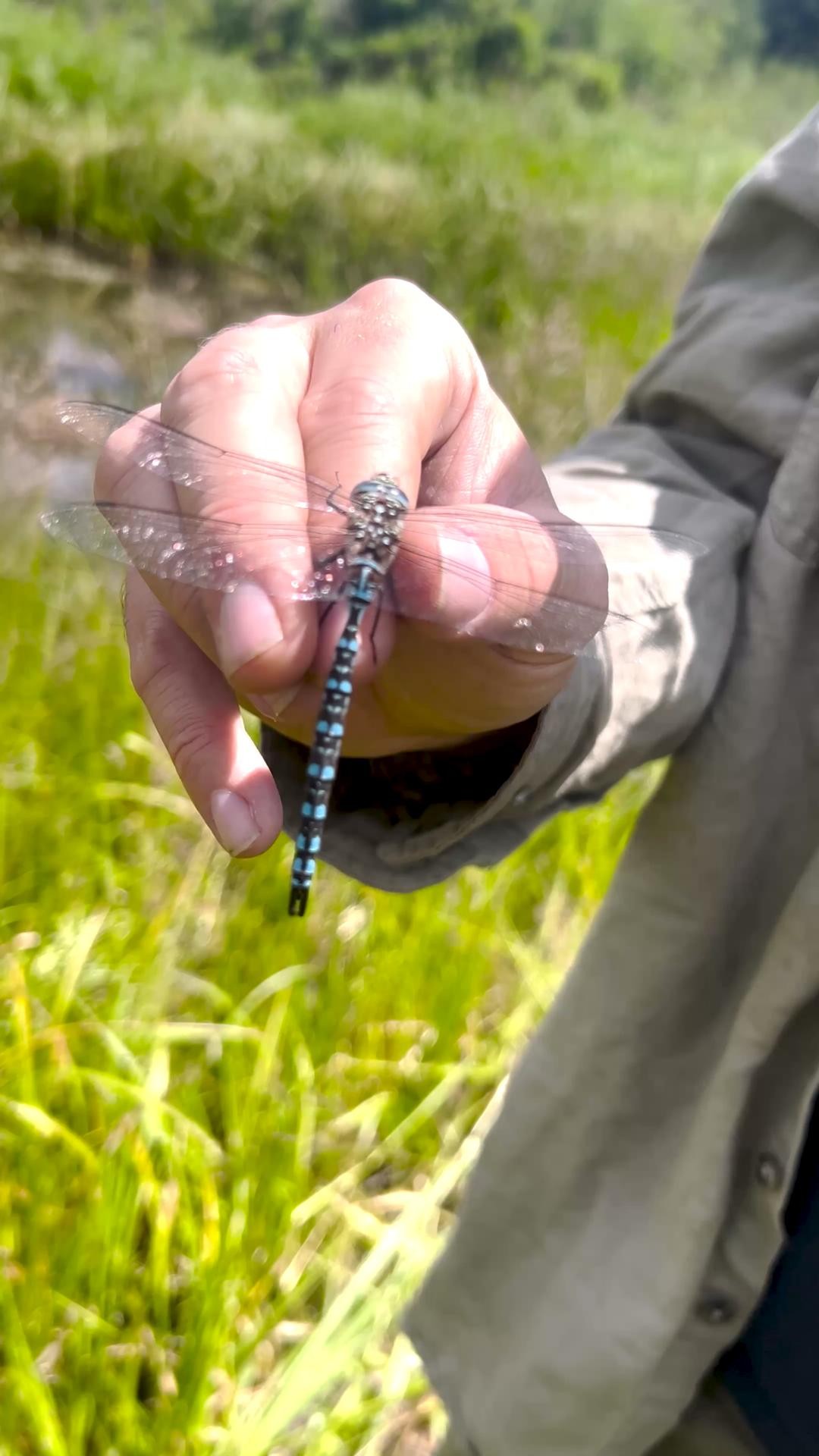
- Dragonflies as indicators of ecosystem health.
- The role of dragonflies in the food chain.
- The decline of dragonfly populations and its implications.
- Conservation efforts in Colorado’s Butterfly Pavilion.
- How to support dragonfly conservation initiatives.
Dragonflies, often celebrated for their vibrant colors and agile flight, serve a purpose far beyond their visual appeal. They are important indicators of ecosystem health, providing valuable insights into the quality of their surroundings. These insects thrive in diverse habitats, such as wetlands, lakes, and streams, making them instrumental for scientists assessing environmental conditions.
Dragonflies are a vital component of many ecosystems and play a crucial role in the food chain. They exist at various trophic levels, acting as both predators and prey. Adult dragonflies consume a range of smaller insects, which helps maintain the balance of insect populations. Their larvae, or nymphs, inhabit water and feed on other aquatic organisms, contributing to the cycle of life in their aquatic environments. This dual ecological role strengthens their importance in biodiversity, highlighting their need for conservation.
Unfortunately, dragonfly populations are declining worldwide. Factors such as habitat loss, climate change, and pollution significantly impact their numbers. As wetlands are drained and ecosystems are altered, dragonflies struggle to survive. This decline is indicative of broader environmental challenges faced by many species. Monitoring dragonfly populations can serve as an effective method to gauge the health of various ecosystems.
The Butterfly Pavilion in Colorado has taken proactive steps to address this decline through its Dragonfly Rearing and Reintroduction Program. Initiated in 2017, this program focuses on conserving Colorado’s native dragonflies. The initiative involves breeding native species in controlled environments, followed by their release into their natural habitats. This strategy not only bolsters local dragonfly populations but also enhances genetic diversity, which is critical for long-term sustainability.
The efforts of the Butterfly Pavilion extend beyond mere breeding. The program places a strong emphasis on community engagement and education. By involving local residents and visitors in conservation activities, they foster a sense of stewardship towards the environment. Workshops, guided tours, and informational sessions illustrate the intricacies of dragonfly biology and their ecological significance, fostering a deeper understanding of the need for conservation.
Additionally, the Butterfly Pavilion’s research efforts contribute valuable data to the scientific community. By studying dragonfly life cycles, migration patterns, and habitat preferences, researchers can better understand the environmental changes affecting these insects. This knowledge aids in developing informed conservation strategies that can be implemented locally and globally.
Supporting this vital initiative is simple and can have lasting impacts. Individuals can visit the Butterfly Pavilion to learn more about dragonflies, participate in educational programs, and see these incredible insects up close. Donations also play a crucial role in funding ongoing research and conservation efforts. By contributing to the cause, supporters directly help sustain the precious ecosystems that dragonflies inhabit.
Dragonflies are more than just beautiful insects; they are essential indicators of healthy ecosystems and critical players in the food chain. Their declining populations signal a need for urgent action. The Butterfly Pavilion’s Dragonfly Rearing and Reintroduction Program represents a proactive approach to reversing this trend and preserving these fascinating creatures.
Engaging in local conservation efforts can lead to significant changes in preserving ecosystem health. Dragonflies are a barometer for environmental quality, making awareness around their conservation vital for broader ecological stability. As dragonflies struggle, so, too, do the ecosystems they inhabit and the myriad of species that rely on them for survival.
As people become more educated on dragonfly biology and their role in the environment, they can contribute to global conservation efforts. Understanding that dragonflies are not merely beautiful insects but are also essential indicators of environmental health can inspire individuals to take action. Conservation starts with knowledge, and community involvement is crucial for success.
The Butterfly Pavilion’s initiatives showcase the importance of localized conservation efforts. Through education, research, and community engagement, they serve as a model for similar projects aimed at conserving vulnerable species. Dragonflies, while mesmerizing, remind us of the interconnectedness of life and the delicate balance that sustains ecosystems.
In addition to local initiatives, broader legislative and conservation policies are necessary to combat habitat loss and pollution. Protecting environments where dragonflies reside is essential. This can include regulating water quality, preserving wetlands, and restoring degraded habitats. Government and non-profit organizations must collaborate to create sustainable policies that benefit both dragonflies and the ecosystems they serve.
Public awareness campaigns can also play a significant role in fostering appreciation for dragonflies and their importance to ecological health. Engaging with social media platforms, hosting events, and distributing educational materials can help spread awareness. By emphasizing the interconnectedness of all species, including humans, foundational changes can occur, leading to healthier ecosystems.
Volunteer opportunities presented by organizations like the Butterfly Pavilion allow individuals to take part in hands-on conservation efforts. Getting involved not only benefits dragonflies but also promotes personal growth and community spirit. Conservation is a collective endeavor; everyone can play a part in preserving the planet’s biodiversity.
Dragonflies may be small, but their impact on ecosystems is profound. Through understanding their role in the food chain and their function as indicators of ecosystem health, individuals can advocate for their protection. As populations decline, the urgency of conservation efforts becomes more critical.
In summary, dragonflies represent more than just beautiful examples of nature’s artistry. They are essential players in ecosystems, indicators of environmental quality, and vital components of biodiversity. The ongoing work at places like the Butterfly Pavilion demonstrates a commitment to conservation. Engaging with these initiatives allows individuals to make meaningful contributions to preserving our planet for future generations. Through education, community involvement, and financial support, we can all assist in ensuring that dragonflies continue to thrive in our ecosystems.
*****
Source Description
Dragonflies aren’t just beautiful insects, they’re powerful indicators of healthy ecosystems and vital players in the food chain. But their populations are declining. Since 2017, Butterfly Pavilion has been conserving Colorado’s native dragonflies through our Dragonfly Rearing and Reintroduction Program.
Learn more about this crucial work in the newest episode of our 30th Anniversary Series, and support the initiative by visiting Butterfly Pavilion or donating at butterflies.org/donate.
