
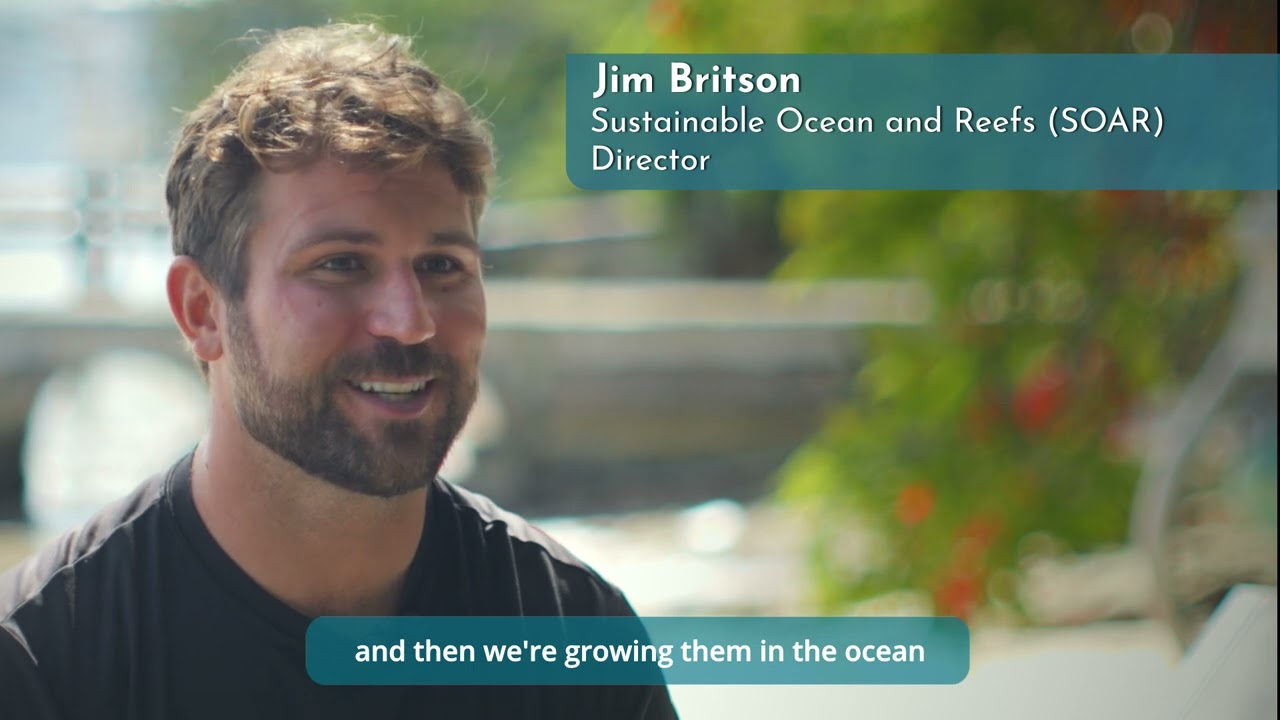
- Overview of the Atlantis Rescue Center Sea Urchin Nursery and its function
- Importance of sea urchins in marine ecosystems
- Conservation methods and strategies employed at the nursery
- Educational programs and public engagement initiatives
- Future goals and implications for marine conservation
The Atlantis Rescue Center Sea Urchin Nursery serves as a significant scientific platform dedicated to the rehabilitation and conservation of sea urchin populations. Located in a coastal region, this center is pivotal for restoring local marine biodiversity and providing essential data for research. The nursery specializes in the breeding, rearing, and eventual release of various sea urchin species, which play an integral role in their ecosystems.
Sea urchins are not just fascinating marine animals; they are also vital to the health of marine environments. These echinoderms contribute to the balance of kelp forests and coral reefs by grazing on algae. Their grazing behavior helps to prevent overgrowth of algae, ensuring that these underwater habitats remain vibrant and productive. When these populations decline, ecosystems can suffer, leading to significant biodiversity loss. As such, the work conducted at the Atlantis Rescue Center highlights the urgent need for restorative practices in marine conservation.
At the Atlantis Rescue Center, advanced techniques are used for breeding and nurturing sea urchins. The nursery houses specialized tanks that mimic natural habitats, ensuring that the conditions are ideal for growth and reproduction. By controlling factors such as water temperature, salinity, and nutrient levels, staff can optimize the health and development of sea urchin larvae. Programs include selecting brood stock carefully to encourage genetic diversity. Such planning is crucial for maintaining resilient populations that can adapt to changing environmental conditions.
One of the primary conservation methods used at the Atlantis Rescue Center is the research-driven approach. Scientists study sea urchin behaviors, reproductive cycles, and environmental interactions to enhance the nursery’s strategies. This scientific foundation allows for more effective breeding initiatives. Ongoing research is essential in identifying the best practices that lead to successful reintroduction into the wild. Each year, the nursery sets measurable goals for releases, closely monitoring the outcomes to refine techniques and strategies continually.
Engagement with the local community is another critical aspect of the Atlantis Rescue Center’s mission. Educational programs are organized that aim to increase public awareness about the ecological importance of sea urchins. School groups and visitors alike have the opportunity to learn from marine biologists about the key roles these organisms play in the underwater ecosystem. Workshops and interactive sessions allow participants to observe sea urchins closely and understand their life cycles. This educational outreach fosters a more conservation-minded community and helps raise awareness of marine issues.
The nursery works alongside local fishermen and conservation groups to source information about the health of sea urchin populations in the wild. Collaborative efforts can lead to better management practices in fisheries and promote sustainable harvesting methods. By providing data on population dynamics and habitat requirements, the Atlantis Rescue Center empowers stakeholders to make informed decisions that protect marine biodiversity.
Another important initiative encompasses habitat restoration efforts led by the Atlantis Rescue Center. The nursery aims to reintroduce healthy sea urchin populations back into areas where they have been depleted. Targeted deployment sites are chosen based on scientific analysis of ecological health and environmental conditions. The restoration teams actively monitor these sites post-release, enabling ongoing evaluation of the nursery’s impact on local ecosystems. This proactive approach sets the foundation for long-term ecological balance.
Looking toward the future, the Atlantis Rescue Center aims to expand its efforts beyond sea urchin conservation. Plans include broader research initiatives that focus on other marine species facing threats. Integrating a multi-species approach will provide a more holistic understanding of marine ecosystems and how various organisms interact with each other. Such an initiative paves the way for improved resilience among marine environments as they adapt to climate change and pollution.
Moreover, the Atlantis Rescue Center maintains a commitment to establishing partnerships with marine research institutions globally. Collaborative research can enhance understanding of oceanic challenges faced by a multitude of species. Such collaborations can lead to more comprehensive studies and data gathering, as scientists work together to create a framework for improved marine conservation strategies.
In sum, the Atlantis Rescue Center Sea Urchin Nursery plays a vital role in marine conservation efforts. Through dedicated research, effective breeding techniques, community engagement, and ambitious future goals, the nursery contributes steadily to the understanding and preservation of not just sea urchins but the intricate ecosystems they inhabit. By prioritizing these methods, the center not only addresses the immediate needs of marine life but also fosters long-term sustainability for future generations.
*****
Source Description
