
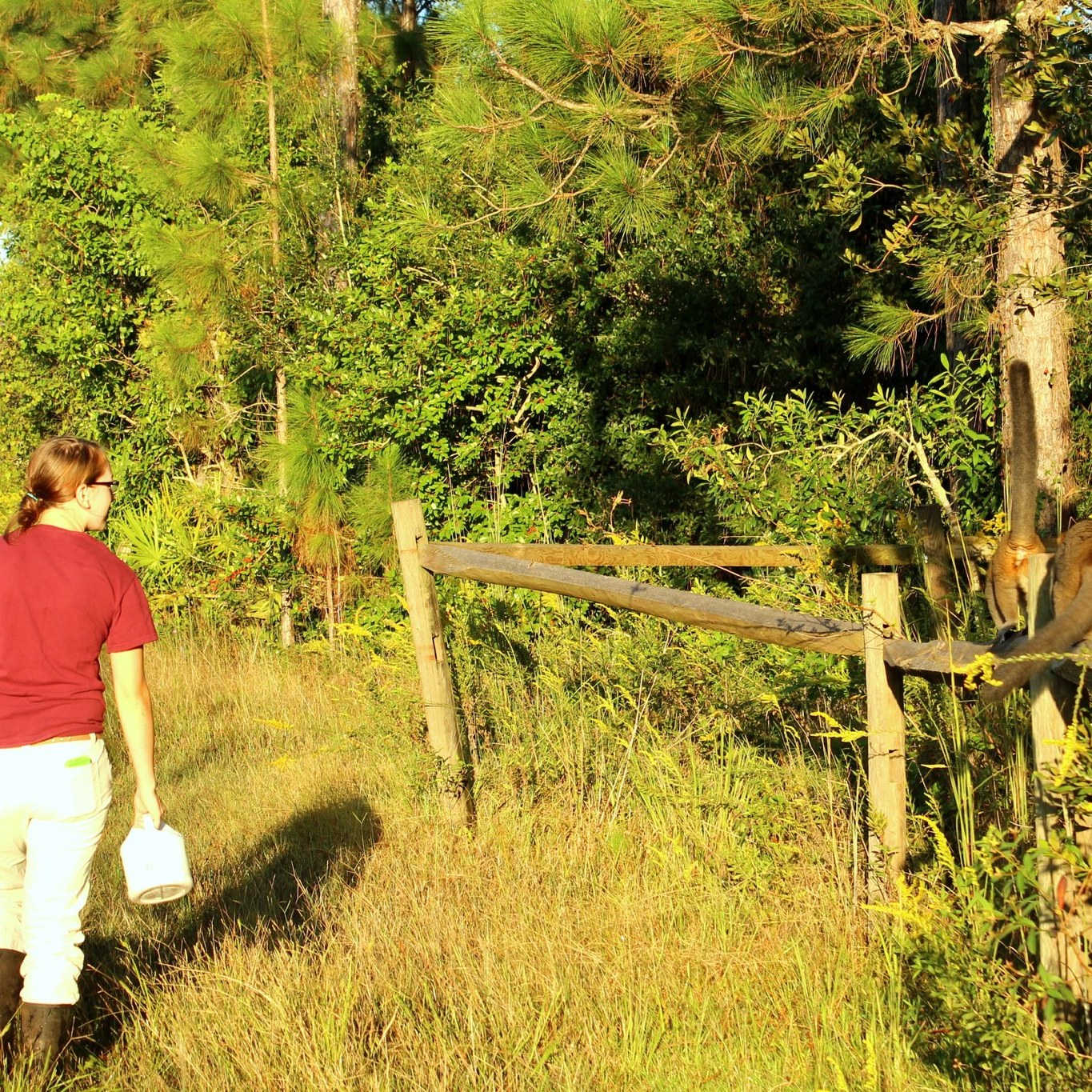
- Understanding Lemur Biology and Behavior
- The Role of Husbandry in Animal Care
- Practical Experience in Primate Care
- Importance of Wildlife Conservation
- Internship Opportunities and Professional Development
Lemurs, native to Madagascar, exhibit a variety of behaviors and social structures. Understanding lemur biology and behavior is pivotal for anyone considering a career in animal care. These remarkable primates possess unique adaptations for their environment, including large, expressive eyes that facilitate nocturnal vision. Their social dynamics often center around matriarchal groups, with females typically leading social interactions. This social structure is not just fascinating; it reflects internal biological rhythms and patterns that are essential for successful captive breeding programs. Learning about these biological traits can inform best practices in husbandry and animal care.
Husbandry encompasses all aspects of caring for animals in captivity, including feeding, health care, and behavior management. In the context of lemurs, proper husbandry is critical. It includes understanding their dietary needs, which can vary widely among species. While most lemurs thrive on a diet rich in fruits, leaves, and flowers, others may have more specialized requirements. The internship at the Lemur Conservation Foundation (LCF) offers invaluable insights into these dietary needs, allowing aspiring animal care professionals to learn how to cater to them effectively. Hydration is also key; understanding how to provide fresh water is a daily task that cannot be overlooked.
Practical experience is a cornerstone of any training program in animal care. An internship such as the LCF’s 7-month primate husbandry internship allows participants to work directly with lemurs, providing hands-on training under the supervision of experienced professionals. This active engagement fosters a deeper understanding of animal behavior and health management techniques. Interns will observe firsthand how to implement enrichment activities designed to stimulate natural behaviors. Knowledge about materials and strategies for enrichment can significantly impact the overall well-being of lemurs. Their inquisitive nature requires constant stimulation, essential for maintaining mental and physical health.
Wildlife conservation remains a critical concern, especially with species like lemurs facing habitat loss and fragmentation. As an intern, individuals will gain insights into conservation efforts aimed at protecting these species. Learning about the threats to lemur populations due to deforestation, climate change, and poaching enriches the internship experience. The scientific principles of conservation genetics can provide tools for restoring genetic diversity in wild populations. Participants will engage in discussions about habitat restoration projects, community education programs, and collaborations with international organizations dedicated to lemur conservation. Understanding these issues will help interns appreciate the broader context in which they work.
Internship opportunities like the LCF’s primate husbandry program are not only about honing practical skills but also about fostering professional development. Applicants should prepare a strong application that includes a resume highlighting any relevant experience in animal care, biology, or environmental sciences. Knowledge of lemur species, their habitats, and current conservation initiatives will be advantageous. Workshops on animal handling and training techniques may provide additional advantages during the selection process. Once selected, it’s important to arrive with an enthusiastic mindset and openness to learn. This experience can serve as a launching pad for a successful career in zoology or wildlife management.
The internship program offers a stipend, which alleviates some of the financial constraints often associated with unpaid internships. Having financial support allows interns to focus on their responsibilities without the added stress of financial burdens. It can also open doors for individuals who might have had limited opportunities to engage in practical animal care experiences. Possessing a diverse skill set is crucial in today’s competitive job market, especially in fields related to zoology and wildlife conservation. The combination of hands-on experience, educational workshops, and networking opportunities through this internship can lay a solid foundation for future success.
Prospective interns should also hone their communication skills. The field of animal care often involves working as part of a team. Interns will collaborate with a variety of professionals, including veterinarians, researchers, and fellow animal care staff. Effective communication enhances teamwork, which is essential in providing optimal husbandry to lemurs. Developing spoken and written communication skills is as important as gaining technical knowledge. Whether it’s writing reports on animal behavior or discussing care strategies with team members, these abilities can significantly impact one’s career trajectory in zoology.
Networking opportunities can arise through the program, enabling interns to connect with industry professionals. Creating relationships can lead to mentorship opportunities and job offers after graduation. Attending industry conferences and seminars is another excellent way for aspiring animal care professionals to enhance their knowledge base. These events often feature the latest research findings on animal care and conservation, offering insights that can be directly applied during the internship. Networking should be seen as an ongoing process, contributing to lifelong learning in the field.
The internship program at LCF emphasizes the importance of holistic care for lemurs. This includes regular health checks and monitoring. Body condition scoring is a technique used to evaluate the health status of lemurs, helping caretakers to make dietary adjustments as needed. Additionally, understanding zoonotic diseases is essential for all animal care staff. Applying preventive medicine strategies can reduce the risk of illnesses that can transfer between animals and humans. Training on these health care practices will arm interns with tools necessary for effective care.
Sustainability practices are also an integral part of the job. It is vital for professionals in the field to promote environmentally sustainable practices. Implementing recycling programs and sourcing ethically produced materials for habitats can reduce the ecological impact of animal care facilities. Understanding the scientific principles behind sustainability can aid in creating a palpable impact in local communities as part of conservation education programs.
Lastly, internships are crucial pathways for entering the longer academic or professional path in zoology or wildlife management. Graduates who seek further education in fields such as veterinary science, wildlife biology, or conservation policy will find that hands-on experience greatly enhances their academic understanding. Coursework often consolidates theoretical knowledge with practical applications; hence, an internship serves as a critical link in this education framework.
Prospective animal care professionals should not overlook opportunities to learn from experienced mentors during the internship. Each staff member can offer unique insights, enhancing the learning experience. Engaging with different professionals can broaden one’s understanding of animal care, providing inspiration and new ideas.
Those interested in reaching their full potential in animal care should apply to LCF’s internship before the deadline on Saturday, August 16th. This program presents an exceptional opportunity to delve into the world of primate husbandry and conservation. The skills, knowledge, and experience gained through this internship can propel careers in zoology and wildlife management while making meaningful contributions to conservation efforts globally.
The internship at LCF can be a transformative experience, equipping interns with the necessary knowledge and skills to thrive in animal care. This program effectively sets the stage for future engagement with lemurs and other wildlife, contributing to ongoing efforts in conservation and sustainable animal management practices. Networking, professional development, and hands-on experience are invaluable components of preparing for a rewarding career in this dynamic field.
*****
Source Description
Calling all prospective animal care professionals! Are interested in learning lemur husbandry? Look no further than LCF’s 7-month, stipended primate husbandry internship! Check out the link in our bio to see the job description and how to apply. Deadline for applications is Saturday, August 16th.
