
- The historical significance of the atomic bombing of Hiroshima on August 6, 1945.
- The role of the Peace Bell in commemorating this tragic event.
- Details about the “Hiroshima – Passing the Torch” exhibition.
- The cultural and historical impact of Hiroshima and its legacy.
- The importance of remembrance and education in preventing future atrocities.
The historical significance of the atomic bombing of Hiroshima on August 6, 1945, cannot be overstated. This event marked a pivotal moment in world history, symbolizing the culmination of World War II and the onset of the nuclear age. At 7:15 p.m. local time, the atomic bomb known as “Little Boy” was dropped on Hiroshima. In an instant, approximately 70,000 lives were lost, with tens of thousands more dying in the following days and months due to injuries and radiation exposure. This cataclysmic event led to Japan’s surrender and the eventual end of the war. However, it also opened a Pandora’s box of ethical and moral dilemmas regarding the use of atomic weapons. The implications of this bombing continue to reverberate through global diplomacy and military strategy.
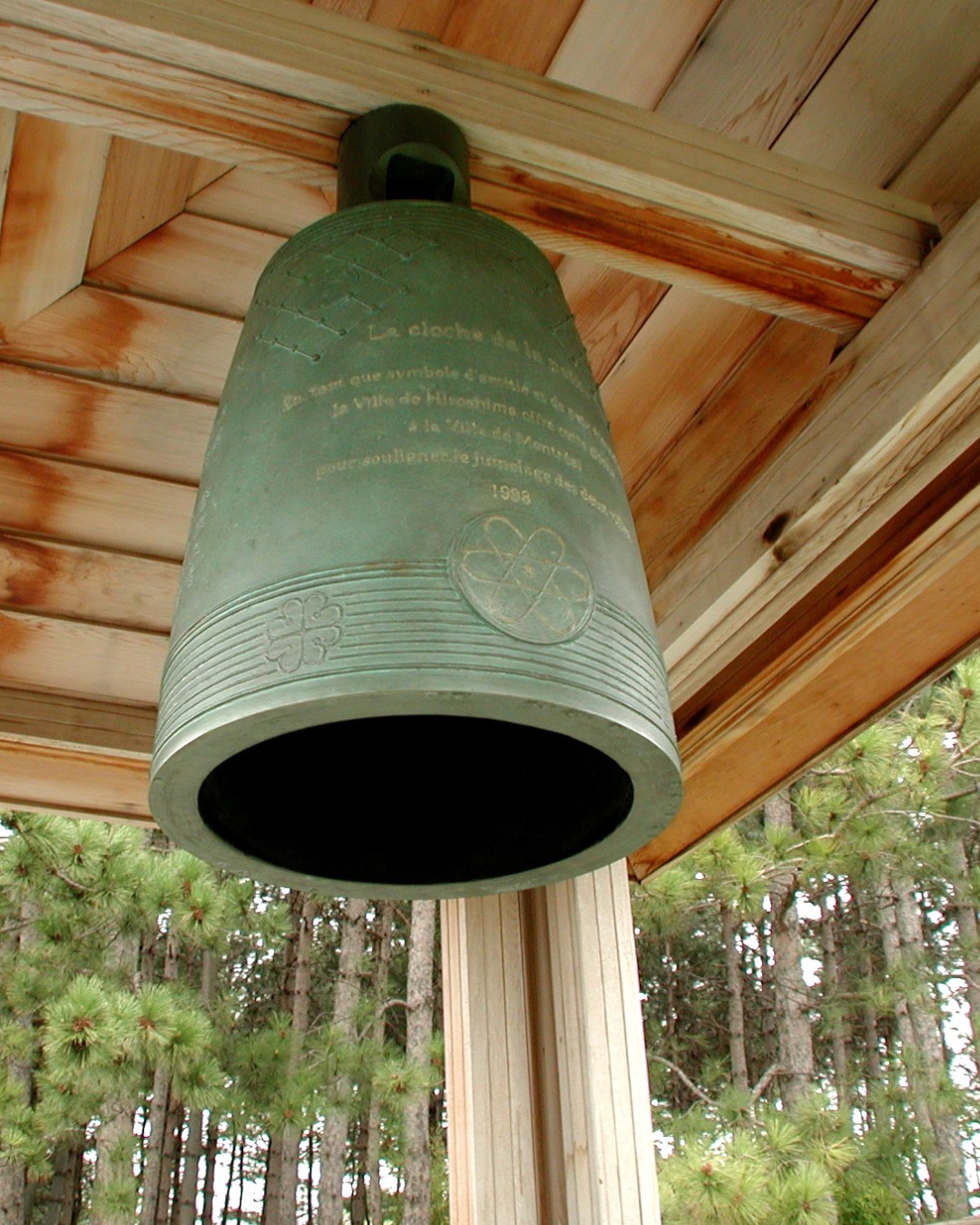
As part of the commemoration of this tragic history, the Peace Bell will sound in the Japanese Garden on the evening of August 5, precisely at the same time as the bombing. This bell serves as a poignant reminder of the destruction wrought on that fateful day. It symbolizes not only the loss of life but also hope for a future where such violence is never repeated. The act of ringing the bell emphasizes the importance of remembrance, urging individuals to reflect on the past and consider the impact of warfare on humanity.
On August 6, the bell will toll 80 times throughout the day. These tolls pay homage to the tens of thousands of lives that were irrevocably altered on that day. Each sound represents a life, a family, and a story that was extinguished. The auditory experience compels observers to acknowledge the weight of history. Such observances transform grief into a powerful force for change and peace. This sacred act of remembrance encourages communities to come together in solidarity, fostering a collective commitment to prevent future atrocities.
Moreover, there is an intriguing exhibition titled “Hiroshima – Passing the Torch,” ongoing at the Japanese Pavilion until October 31. This exhibition offers a unique opportunity for attendees to engage with the historical narrative of Hiroshima. Featuring artifacts, photographs, and interactive displays, the exhibition invites visitors to absorb the haunting stories that emerged from the aftermath of the bombing. It serves not only as a memorial but also as an educational platform. The exhibition aims to deepen understanding and provoke thoughtful dialogue around issues of war, peace, and the human capacity for resilience.
Artistic installations and personal testimonies within the exhibition provide rich insights into the lived experiences of survivors. These narratives compel visitors to confront the harsh realities of war while simultaneously showcasing the strength of the human spirit. The synergy of history and art challenges attendees to consider their roles in shaping a peaceful future. This becomes increasingly important as current global tensions remind us that the lessons of history should not be forgotten.
The cultural and historical impact of Hiroshima extends beyond the confines of Japan. The bombing positioned Hiroshima as a symbol of the perils of nuclear warfare. International movements against nuclear proliferation often invoke Hiroshima as a reminder of the necessity to pursue disarmament. This ongoing dialogue emphasizes that the consequences of nuclear weapons are not confined to borders or nations. Instead, they encompass a shared human responsibility to ensure a future without such threats.
Furthermore, Hiroshima’s legacy influences art, literature, and film around the world. Many creative works explore themes of memory, trauma, and reconciliation, utilizing Hiroshima as a focal point. These expressions highlight the ways in which artistic endeavors can foster understanding and compassion. In turn, such dialogues contribute to a cultural capital that encourages peace-building efforts across nations.
The importance of remembrance and education in preventing future atrocities is underscored through activities such as the tolling of the Peace Bell and the “Hiroshima – Passing the Torch” exhibition. Engaging with history allows individuals and communities to learn from past mistakes. Education also fosters critical thinking and discussions that can help to build empathy and understanding among different cultures. In a world fraught with divisions and conflicts, these insights remain crucial. It is essential to recognize that the legacies of events like the bombing of Hiroshima carry lessons that can influence today’s peace initiatives and conflict resolution strategies.
Remembrance activities enable society to confront the darker aspects of history without shying away from difficult discussions. They provide contexts in which to reflect on the value of human life and the pain associated with loss. Through education, communities can cultivate a shared commitment to non-violence while promoting the values of tolerance and coexistence.
The Peace Bell and events such as the exhibition offer avenues for collective mourning and reflection. These experiences can build resilience against the backdrop of global crises. As participants engage with these narratives, they foster connections that transcend geographic and cultural boundaries. This solidarity and shared understanding may play an essential role in combating global tensions and promoting lasting peace.
As we approach the memorial events surrounding August 6, it becomes imperative to consider the ongoing relevance of Hiroshima’s legacy. The commemorative initiatives serve not solely as historical artifacts but as urgent reminders of our responsibility to protect future generations. They challenge us to contemplate the delicate equilibrium between technological advancement and moral responsibility.
In an age where nuclear technologies continue to evolve, the importance of collective memory gains even greater significance. Engaging deeply with the events of Hiroshima allows us to recognize the fragility of peace and the potentially devastating consequences of warfare. Through education, remembrance, and art, we can share knowledge that leads to better-informed citizens, equipped to make choices that foster a more compassionate and peaceful world.
Events like the ringing of the Peace Bell and the “Hiroshima – Passing the Torch” exhibition are crucial in cultivating this awareness. They remind us of the shared human experience of suffering and the enduring call for peace. Thus, as individuals reflect on the toll of that devastating day, they find purpose in ensuring the lessons of Hiroshima are passed down through generations. In doing so, we honor the memory of those lost while advocating for a future devoid of such tragedy.
*****
Source Description
Ce soir, 5 août, à 19 h 15 précises, heure du largage de la bombe atomique sur Hiroshima en 1945, la cloche de la paix résonnera dans le Jardin japonais pour rappeler à notre souvenir cet événement funeste de notre histoire.
🔔Tout au long de la journée du 6 août, la cloche retentira 80 fois à la mémoire des dizaines de milliers de vies anéanties lors de cette tragédie.
🖼️ Jusqu’au 31 octobre, passez voir l’exposition poignante «Hiroshima – Relayer l’Histoire» dans le Pavillon du Jardin japonais.
Pour plus d’informations, suivez le lien dans la bio @espacepourlavie.
*****
Tonight, August 5, at exactly 7:15 p.m. local time, corresponding to the moment when the atomic bomb was dropped on Hiroshima in 1945, the Peace Bell will sound in our Japanese Garden as a reminder of this sad event.
🔔On August 6, the bell will toll 80 times throughout the day to commemorate the tens of thousands of lives wiped out in the tragedy.
🖼️Until October 31, come see the “Hiroshima – Passing the Torch” deeply moving exhibition in the Japanese Pavilion.
Follow the link in @espacepourlavie bio for more details.
📸 Espace pour la vie / Michel Tremblay
