
- Education through Experience: The Value of Zoo Field Trips
- The Prospect Park Zoo: An Overview of its Unique Ecosystems
- Wildlife Encounters: Engaging Students with Exhibits
- Conservation Education: The Role of Zoos in Protecting Species
- Planning Your Field Trip: Tips for Teachers
Education through Experience: The Value of Zoo Field Trips
Field trips enrich student learning by bridging classroom theories with real-world experiences. In the context of zoology, a trip to a zoo can ignite curiosity and foster a deeper understanding of animal behavior, habitats, and conservation efforts. Visiting a zoo allows students to observe animal species up close and gain insights about their lives and the ecosystems they inhabit. Teachers can lead discussions about biodiversity, food chains, and the delicate balance of ecosystems, aligning the learning experience with various educational standards.
Experiential learning helps reinforce concepts. A field trip encourages critical thinking, teamwork, and observation skills among students. By engaging actively with their surroundings, students often absorb information better. They can ask questions, explore their interests, and discover unexpected facts about wildlife. Significant learning also occurs through discussions and activities that promote interaction, making the zoo a dynamic classroom.
The Prospect Park Zoo: An Overview of its Unique Ecosystems
The Prospect Park Zoo, nestled within Brooklyn’s expansive Prospect Park, spans 12 acres and features a variety of habitats and exhibits. This zoo presents opportunities for students to learn about multiple ecosystems, from the dense forests where red pandas reside to the aquatic environments that river otters thrive in. Each exhibit is thoughtfully designed to mimic natural habitats, fostering a sense of place for the animals while educating visitors about the animals’ natural behaviors.
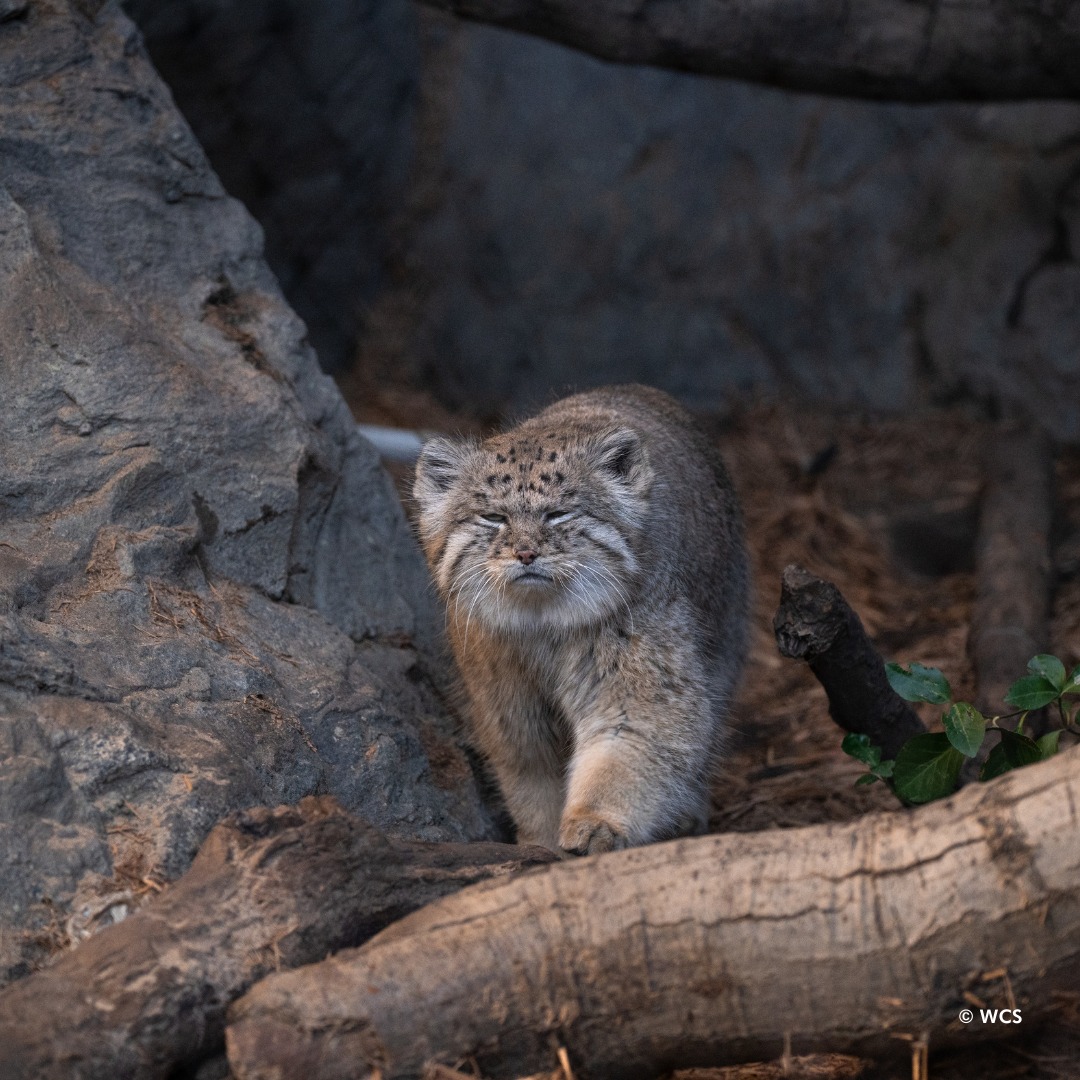
Among the notable animals housed at the zoo are Pallas cats and pudus. Pallas cats, known for their stout bodies and striking fur, are native to Central Asia and offer a glimpse into the diverse adaptations of carnivorous mammals. Pudus, the world’s smallest deer, exemplify how size and habitat influence species behavior and survival strategies. Exploring these exhibits can prompt discussions around evolution and the importance of conserving diverse fauna.
Additionally, the Prospect Park Zoo engages with its local community through educational programs and conservation initiatives. These aspects not only elevate the educational value of a visit but also emphasize the zoo’s role in broader environmental stewardship.
Wildlife Encounters: Engaging Students with Exhibits
Interacting with wildlife provides students with a memorable educational experience. At the Prospect Park Zoo, student groups can observe various animals, including porcupines and other fascinating species. River otters, known for their playful behavior, serve as an excellent example of how animal interactions can prompt discussions about adaptations and ecosystems.
Exhibits are strategically arranged to encourage exploration. For instance, the sea lion exhibit offers a chance to discuss marine life and conservation challenges facing aquatic species. Students can learn about the impact of pollution and climate change on ocean habitats, thus fostering an interest in environmental issues.
Hands-on learning opportunities, such as participating in guided activities, enhance engagement. Students may encounter animal ambassadors through the zoo’s education programs. These interactive sessions inspire enthusiasm and understanding of wildlife, emphasizing the zoo’s role as an educational institution focused on conservation. By generating excitement about wildlife, students are more likely to act as informed stewards of the environment.
Conservation Education: The Role of Zoos in Protecting Species
Zoos play a pivotal role in wildlife conservation and education. The Prospect Park Zoo actively participates in breeding programs for endangered species. Such initiatives help sustain genetically diverse populations, ensuring the survival of various animal species threatened by habitat loss, poaching, and climate change. Students can learn about these efforts directly during their visits.
Moreover, the zoo serves as a platform for promoting awareness about global conservation issues. Educators can integrate information on endangered species into classroom discussions, explaining the importance of biodiversity and the need to protect ecosystems. The prospect of losing various animal species is a critical topic, and students must grasp the consequences of environmental degradation.
The Prospect Park Zoo makes conservation concepts accessible by connecting students with relatable narratives. By presenting stories of individual animals and their species, the zoo can spark empathy and understanding. This approach aims to inspire the next generation of conservationists who will advocate for wildlife protection.
Planning Your Field Trip: Tips for Teachers
As you consider organizing a visit to the Prospect Park Zoo, planning is essential for maximizing the educational experience. Begin by determining your educational objectives. Identify key learning outcomes that align with what students have been studying. This process will focus the visit and make it more meaningful.
Next, coordinate with the zoo’s education staff. The Prospect Park Zoo offers special discounted rates for school groups, making it financially feasible for educational institutions to access valuable resources. Discuss any supplementary materials or programs that the zoo provides to enrich the experience further.
Prepare students for the trip with information about what to expect. Encourage them to think of questions they would like to ask during their visit. This approach can foster a sense of ownership in their learning experience. Additionally, ensure to follow any outlined guidelines regarding group sizes, chaperones, and timing to optimize the visit.
Consider post-trip activities as well. Engaging students after their visit, through reflections or projects based on their experience, can reinforce the concepts covered. This continuation of learning extends the impact of the zoo trip.
Overall, planning a field trip to the Prospect Park Zoo can bring vital educational experiences to life. The combination of hands-on learning, engaging wildlife exhibits, and conservation education equips students with knowledge that transcends the classroom. Such experiences foster a sense of responsibility towards the environment, encouraging students to engage actively in preserving our planet’s incredible biodiversity.
*****
Source Description
📣Calling all teachers! Imagine the entire zoo as your classroom for a day! Take your class on a self-led field trip to the Prospect Park Zoo and let them explore our exciting exhibits and wonderful wildlife in the heart of Prospect Park. Introduce them to Pallas cats, river otters, red pandas, porcupines, pudu, and more! We offer special discounted rates for school groups. Book your next class trip today: Link in Profile
