
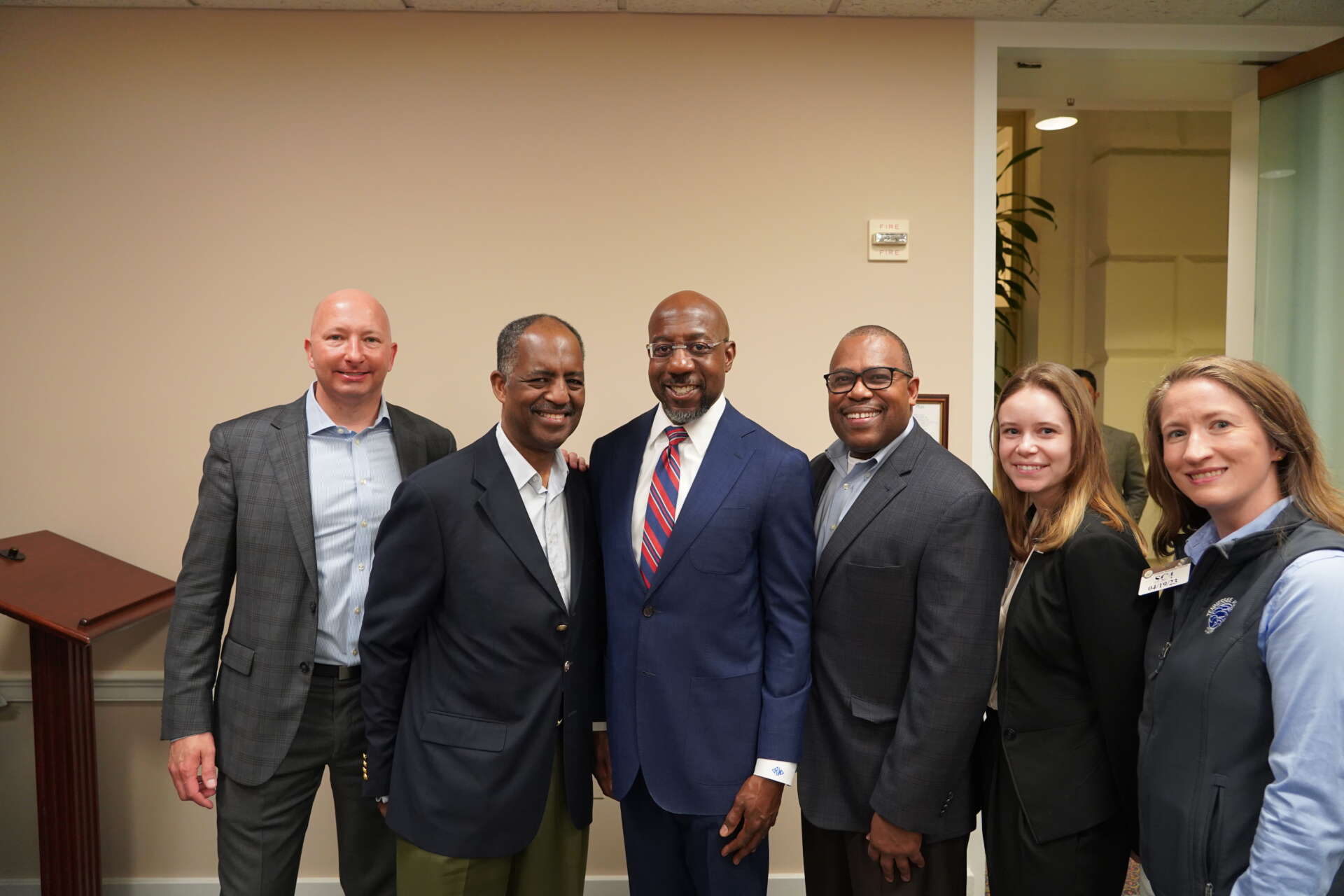
Summary of AZA Advocacy Days 2025: A Recap from Washington, D.C.:
Zoo Atlanta participated in the 2025 AZA Advocacy Days in Washington, D.C., joining 120 advocates from 61 institutions across 31 states. Highlights included setting a record with 170 Capitol Hill meetings. The team, led by Aaron Watson and Brian Hudson, focused on legislative priorities affecting wildlife and education. Key activities included strategic meetings and the introduction of an Advocacy App for streamlined communication. Legislative discussions emphasized various bills like the Sea Turtle Rescue Assistance Act and Wildlife Confiscation Network Act. The event also highlighted their community impact and plans for future advocacy. Key takeaways included the need for flexibility and developing a specific “Pain Points” document. Zoo Atlanta remains committed to ongoing advocacy to support its mission of wildlife conservation.
- AZA Advocacy Days 2025 in Washington, D.C., was the largest event in its history, featuring significant participation from zoo and aquarium professionals.
- Zoo Atlanta played a key role, sharing impactful programs and legislative priorities with lawmakers.
- Notable legislative priorities included the Sea Turtle Rescue Assistance and Rehabilitation Act and the Wildlife Confiscation Network Act.
- Emphasis was placed on funding requests and the role of zoos and aquariums in conservation, education, and community engagement.
- The event highlighted challenges and strategies for future advocacy efforts.
From March 3–5, 2025, the Association of Zoos and Aquariums (AZA) hosted its largest ever Advocacy Days in Washington, D.C. The event drew 120 advocates from 61 accredited institutions across 31 states. Zoo Atlanta’s participation highlighted the collective power of committed voices in conservation advocacy. Over three days, advocates engaged in 170 meetings on Capitol Hill, a new record, to champion wildlife conservation, education, and community initiatives.
Zoo Atlanta, represented by the Government Affairs team including Aaron Watson and Brian Hudson, took strategic steps in building relationships and advancing legislative priorities essential to wildlife and educational causes. The presence of these advocates in Washington exemplified their resolute mission: to uphold the welfare of wildlife and bolster the communities around them.
Day one commenced with the Government Affairs Committee Meeting, a critical assembly for aligning strategy and tone among participating institutions. This integration fostered a more cohesive effort across all talks. Discussions focused on harmonizing messaging, prioritizing significant legislation, and refining communication strategies to ensure clarity and resonance on Capitol Hill.
Day two centered on preparation, offering insights necessary for both new and returning participants. Training sessions equipped participants with knowledge about meeting structures, expectations from congressional staffers, and the precision required in delivering impactful messaging. A major highlight was the unveiling of the Advocacy App, a pivotal tool for seamless logistical management. This app provided real-time updates, enhanced scheduling, offered staff bios, and facilitated immediate note-taking, proving invaluable for preparations and post-event assessments.
The third day culminated in the central focus: direct advocacy on Capitol Hill. A breakfast reception, hosted by the National Aquarium, featured remarks from Representative Sarah Elfreth. Her insights on the multifaceted value of zoos emphasized their role beyond conservation, touching upon economic development and STEM education.
Zoo Atlanta profoundly showcased its initiatives through its Points of Pride and Overview document. This document illustrated the zoo’s community impact, from nurturing underserved communities to pioneering efforts in the Rollins Animal Health Center. For 25 years, Zoo Atlanta has cared for giant pandas while also expanding its conservation science initiatives. Highlights included the success of the Wild Animal Criminal Trespass law, which has significantly decreased related incidents and reinforced Zoo Atlanta’s commitment to safety and wildlife advocacy. Their notable work with the critically endangered Guatemalan beaded lizards, funded by the Mickelberg Field Conservation Grant, was also spotlighted.
Legislative discussions were pivotal, with pressing issues such as the Sea Turtle Rescue Assistance and Rehabilitation Act brought to the forefront. This bipartisan bill seeks to establish a permanent NOAA grant program to support zoos and aquariums engaged in sea turtle rescue efforts. Currently, these initiatives operate with minimal federal funding, which poses sustainability challenges.
Another major legislative focus was the Wildlife Confiscation Network Act. The rise in wildlife trafficking has positioned zoos like Zoo Atlanta at the frontline for animal rescues. Efforts to expand this program into a national network are crucial. Advocacy efforts extended to garnering Congressional support for the Zoo and Aquarium Caucus, which enhances the influence of zoos in conservation, education, and public engagement. The caucus currently includes influential Georgia representatives like Sanford Bishop and David Scott, with hopes for expanded membership.
The advocacy days also involved federal funding requests. Key appropriation priorities included $30 million for Multinational Species Conservation Funds, $9 million for the Prescott Marine Mammal Rescue Program, and $15 million for the Endangered Species Recovery Challenge Grant. Additionally, $55.5 million was requested for the Institute of Museum and Library Services (IMLS), reflecting Zoo Atlanta’s ongoing commitment to applying for grants that bolster education and environmental stewardship.
Challenges of advocacy day meetings were noted, including shortened meeting durations due to executive orders and changing budget priorities. Scheduling complexities required adaptability, with some appointments rescheduled due to congressional obligations. This highlighted the necessity for real-time coordination.
Zoo Atlanta recognized the need for clarity in communicating operational challenges. Plans to develop a “pain points” document are underway to tangibly illustrate potential impacts from policy shifts or funding delays on zoo activities.
Looking ahead, Zoo Atlanta understands that advocacy is an ongoing responsibility. Whether through physical presence in Washington or active engagement with local and state governments, the zoo’s dedication to advocacy remains steadfast. With the next Advocacy Days set to return to its original April timing and anticipated hosting of the AZA Midyear Meeting in Atlanta, Zoo Atlanta is poised to further strengthen its advocacy mission.
The organization’s commitment is rooted in its mission to conserve wildlife and engage communities through education and research. Every policy conversation and public investment effort speaks to this dedication. As advocates, the responsibility lies not just in voicing concerns but in embodying the values that drive meaningful change.
The 2025 Advocacy Days underscored the importance of collaboration and the impact of shared goals. With continued support and dedication, the commitment to wildlife and community empowerment influences policy decisions and enriches the conservation landscape. Through advocacy, transformative progress in conservation and education can be realized, ensuring a sustainable future for generations to come.
