
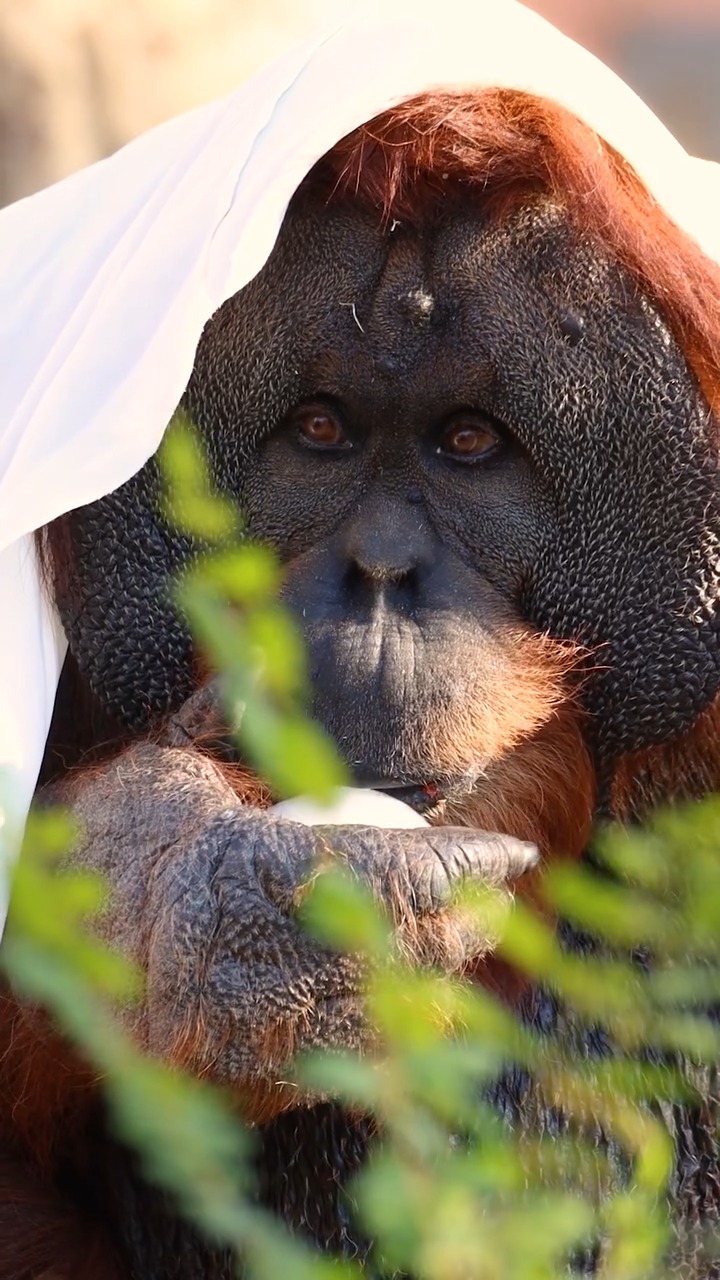
- The importance of zoos in wildlife conservation and education
- The role of species diversity in ecosystem health
- Challenges facing zoo management today
- Ethical considerations in animal care and welfare
- Future directions for zoos in global conservation efforts
Zoos play a vital role in wildlife conservation and education. They serve not only as institutions for public display but also as centers for research and species preservation. By bringing people closer to animals, zoos create awareness about endangered species and promote conservation efforts. This direct contact with wildlife fosters a sense of responsibility in visitors, inspiring them to participate in conservation initiatives. Through educational programs and interactive experiences, zoos can effectively communicate the importance of biodiversity and the threats faced by various species.
Species diversity is crucial for ecosystem health. Each species, whether large or small, plays a significant role in its habitat. For instance, apex predators help regulate populations of herbivores, which in turn affect plant life and the overall health of the ecosystem. When certain species disappear, it can lead to unforeseen consequences that disrupt these natural balances. Zoos contribute to conservation by breeding programs aimed at increasing the populations of endangered species. These efforts are essential in maintaining genetic diversity, which is vital for the resilience of species in changing environments.
Zoo management faces several challenges in today’s climate. Increasing urbanization, habitat loss, and climate change pose threats to wildlife and biodiversity. Furthermore, public perceptions about animal captivity and welfare raise ethical questions regarding the operations of zoos. Zoo managers must navigate these complexities while ensuring the well-being of animals. This requires integrating modern technologies and techniques in animal care and habitat design. Additionally, fostering partnerships with wildlife organizations can enhance conservation efforts beyond the zoo’s physical boundaries.
Ethical considerations in animal care and welfare cannot be overlooked. Zoos must prioritize the physical and psychological well-being of their animals. Many licensed and accredited zoos follow strict guidelines for animal care established by organizations such as the Association of Zoos and Aquariums (AZA). These standards address aspects like habitat enrichment, nutrition, and veterinary care. Moreover, zoos are tasked with providing environments that promote natural behaviors. Educational staff often work closely with veterinary teams to assess the needs of each species and implement changes accordingly. This holistic approach benefits both animals and visitors.
Looking toward the future, zoos are evolving in response to global conservation needs. Many are transitioning from mere exhibits to active conservation hubs. By participating in field conservation projects, leading species recovery programs, and engaging in biodiversity research, zoos can offer significant contributions to wildlife preservation. Collaborative efforts with universities, governmental agencies, and non-governmental organizations allow zoos to expand their impact. The future of zoos will likely involve even greater emphasis on conservation education, using technology to reach broader audiences and foster global engagement in wildlife preservation.
The emphasis on conservation within zoos highlights their significance in protecting endangered wildlife. Programs focused on breeding endangered species, habitat restoration, and reintroduction of animals into the wild are fundamental. Breeding programs help mitigate the threats of extinction faced by many species. For instance, successful breeding efforts of the California condor have allowed this once-near-extinct bird to flourish once more. Such stories reinforce the essential role of zoos in conservation, reminding us of the direct impact these institutions can have on biodiversity.
Species diversity is intrinsically linked to ecosystem resilience. A decline in individual species can lead to detrimental ecological shifts. Ecosystems with high biodiversity are often more resilient to environmental changes, diseases, and invasive species. The role of zoos in preserving this diversity cannot be understated. Through education and engagement, they raise awareness about the importance of diverse ecosystems. By offering visitors a chance to learn about the complexities of wildlife interactions, zoos promote a culture of conservation that resonates beyond their walls.
Managing a zoo involves a multifaceted approach. From animal husbandry to visitor engagement, various departments work to uphold the institution’s mission. Wildlife veterinarians play a pivotal role in monitoring animal health and ensuring proper care. Animal keepers engage in daily activities that enrich the lives of the animals, promoting physical health as well as mental stimulation. Meanwhile, education departments create programs that connect visitors to wildlife, leading to a greater understanding of conservation. This collaborative effort among staff is essential for the successful operation of a zoo.
The ethical implications of capturing and displaying animals are often hotly debated. Critics argue that many species do not thrive in captivity, while proponents highlight the educational and conservation benefits. Zoos strive to maintain transparency about their practices and make ethical considerations a priority. Many accredited zoos are implementing more naturalistic habitats, which help replicate the animals’ native environments. These efforts aim to support the overall well-being of the animals and provide visitors with a more enriching experience.
Challenges in urbanization and habitat loss directly impact wildlife populations. As urban areas expand, ecosystems are disrupted, leading to a decline in biodiversity. This crisis creates an urgent need for education and outreach to foster environmental stewardship among urban populations. Zoos are strategically positioned to address these issues, acting as conduits between wildlife conservation and community awareness. By focusing on the interconnectedness of urban life and wildlife health, zoos can inspire local communities to take action for conservation.
The initiatives undertaken by zoos address significant global conservation issues. Collaborating with international organizations, many zoos engage in anti-poaching efforts, habitat restoration, and public awareness campaigns. These efforts are critical, particularly in areas where resources are limited and wildlife faces existential threats. Through grants and fundraising initiatives, zoos can provide the necessary support for on-the-ground conservation projects. Engaging the public in these efforts not only raises awareness but also cultivates a sense of shared responsibility for our planet’s wildlife.
Educational outreach programs are essential components of modern zoos. They provide valuable resources for schools, families, and communities. Interactive exhibits, workshops, and guided tours personalize the learning experience and foster connections between individuals and wildlife. Such programs often use technology to enhance engagement, utilizing virtual reality and interactive displays to capture the attention of diverse audiences. By adapting educational strategies to changing demographics, zoos can broaden their reach, nurturing a new generation of conservationists.
The future of zoos will likely see a shift toward greater collaboration with local communities in conservation efforts. Zoos can empower people by providing them with knowledge and resources to promote wildlife preservation in their neighborhoods. Community-driven initiatives such as gardens, clean-ups, and habitat restoration projects can foster a culture of conservation that extends far beyond the zoo’s gates. This collaborative approach ensures that conservation is viewed as a shared responsibility rather than solely the duty of formal institutions.
Striving to protect biodiversity remains a central goal for zoos around the globe. As wildlife continues to face unprecedented challenges, the future innovations in animal care, habitat design, and community engagement will be crucial. Zoos will increasingly employ strategies to create immersive experiences for both animals and visitors. By leveraging technological advancements and scientific research, zoos can enhance their missions and extend their impact in addressing global conservation issues.
Increased awareness and involvement in conservation efforts can have a significant ripple effect. When visitors leave a zoo inspired by what they have learned, they are more likely to take active steps in their daily lives to promote wildlife care. Small actions, such as reducing plastic consumption, supporting wildlife organizations, or advocating for sustainable practices, have the potential to contribute significantly to global conservation efforts.
Ultimately, zoos are evolving into essential players in the conservation landscape. Their commitment to education, research, and community outreach is critical in addressing the complex issues surrounding wildlife conservation. Through collaboration and innovation, zoos can reinforce their roles as protectors of biodiversity, ensuring that future generations can appreciate and connect with the natural world. The direct link between education, public awareness, and conservation can foster lasting change, enabling a vibrant future for wildlife and the ecosystems they inhabit.
*****
Source Description
Strong with the Force, Sugi-Wan Kenobi is! 😆
