
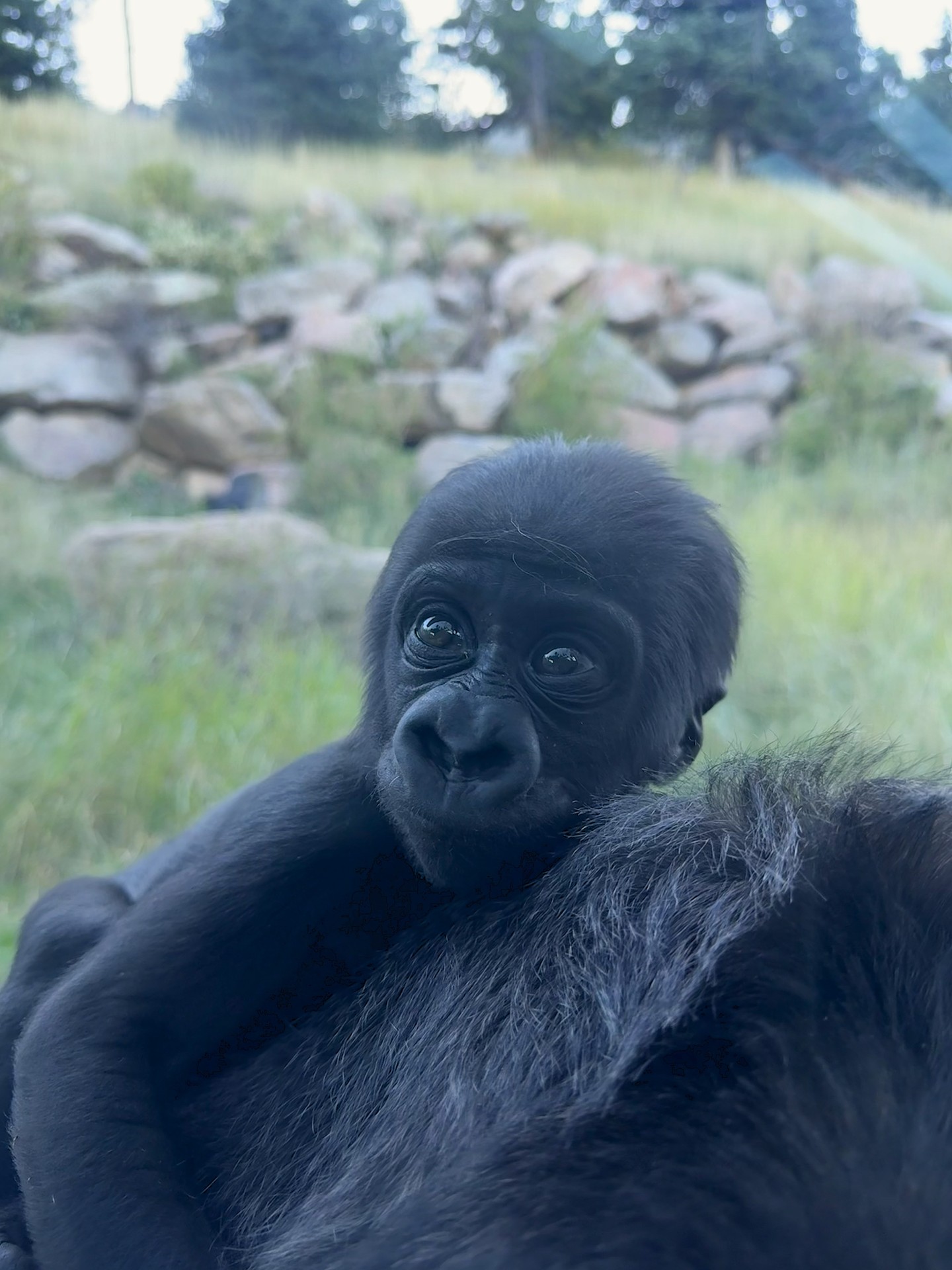
- The Importance of Animal Eyes in Communication and Emotion
- Insights from Lead Animal Keeper Ashton on Animal Behavior
- The Role of Zoos in Wildlife Conservation
- The Science Behind Animal Eye Structure
- Understanding the Human-Animal Connection through Facial Features
Animal eyes serve as windows to their emotional states and communication methods, particularly in a zoo setting. They reflect the feelings of joy, fear, curiosity, and even playfulness. The various shapes, colors, and sizes of eyes in the animal kingdom tell unique stories about adaptation and survival. Animal keeper Ashton, who has extensive experience in animal behavior, emphasizes that many zoo guests are drawn to animals not just because of their outward appearance but particularly because of their eyes.
Studies have shown that certain species have evolved eye structures that enhance emotional expression. For instance, large, rounded eyes are often associated with youthfulness and vulnerability, traits that humans may find appealing. In Ashton’s experience, this leads to emotional connections between visitors and animals, making it essential for zoos to cultivate an environment where such interactions can take place safely and responsibly.
Ashton discusses the importance of understanding animal behavior through the lens of eye movement and eye contact. Many animals communicate significant information through their eyes. Predators may use their gaze to assert dominance, while prey animals often avert their eyes to signal fear or submission. In a zoo ecosystem, observing these behaviors allows keepers to understand the animals better and create care programs that cater to their emotional and physical needs.
The role of zoos extends far beyond the entertainment of visitors; they serve as pivotal centers for wildlife conservation. With increasing habitat loss and ecological threats, zoos play a crucial role in species preservation. They become breeding grounds for endangered species, ensuring genetic diversity and stability for future generations. Through collaborations with wildlife organizations, zoos also contribute to rewilding efforts, returning animals to their native habitats where feasible.
In an educational capacity, zoos aim to raise awareness about wildlife issues. Ashton highlights ongoing programs that involve the public to foster a greater understanding of ecosystems and biodiversity. By showcasing the emotional depth of animals—often conveyed through their eyes—she believes visitors are more likely to engage in conservation efforts. Programs that educate attendees about the significance of each species also encourage stewardship of the environment.
The physical structure of an animal’s eye can tell much about its lifestyle. For example, predators typically possess eyes situated at the front of their heads, granting them binocular vision that aids in depth perception. Conversely, prey species often have eyes positioned on the sides of their heads, allowing for a wider field of vision to spot approaching threats. Such anatomical differences underline the evolutionary pressures at play in the animal kingdom.
Ashton explains that the unique adaptations found in animals’ eyes are tied to their survival strategies. The tape-like film that protects the eyes of some reptiles, for instance, allows these creatures to hunt effectively in various environments. Additionally, the tapetum lucidum, a reflective layer behind the retina of many nocturnal animals, enhances night vision. This biological mechanism illustrates how eye design can directly impact an animal’s ability to survive and thrive in its habitat.
Research has demonstrated that animals with more expressive eyes often capture human affection more easily. This phenomenon is rooted in evolutionary biology—humans have an innate tendency to respond to facial features as indicators of emotion. In turn, this connection can enhance the quality of life for the animal; studies show that animals receiving affection from humans often exhibit reduced stress levels. In a zoo context, interactions that highlight the emotional capacity of animals can enrich their wellbeing and engage the public’s interest in conservation.
In Ashton’s zoo, specific species are involved in programs designed to facilitate positive interactions with guests while ensuring that the animals’ welfare remains a priority. Educators strive to design these activities to promote understanding of how animals communicate and demonstrate their needs. By witnessing affection and emotion displayed through an animal’s eyes, visitors can cultivate a deeper sense of empathy toward wildlife in general.
Animal vision is another facet worth exploring. While humans rely on color vision and detail for understanding their environment, many animals do not share this trait. For example, dogs have dichromatic vision, allowing them to see blues and yellows but not reds and greens. Birds, on the other hand, possess tetrachromatic vision, allowing them to detect a broader range of colors. Observing different forms of vision assists in understanding how animals engage with their habitats, food sources, and each other.
The science behind the animal eye is complex but fascinating. Eye color can also be indicative of health and genetic factors within species. For instance, certain fishes develop distinct coloration patterns in their eyes during breeding seasons, signaling readiness to mate. Such physical traits not only serve practical purposes but also enhance the emotional connections forged between animals and humans.
A more profound understanding of animal behavior extends into training efforts as well. Positive reinforcement training encourages species to communicate their needs through eye contact or certain behavior cues. Not only does this foster a stronger bond between keepers and animals, but it also improves the overall care provided. Ashton’s extensive experience has shown that animals are more likely to engage in cooperative behaviors when they feel understood and valued.
Public engagement also leans into the emotional narrative of animal eyes. By sharing stories about how animal eyes convey feelings and signals, zoos can draw visitors in emotionally. Programs that foster emotional connections not only enhance the visitor experience but can spur action—whether that means making a donation or simply advocating for wildlife conservation in daily life.
The role of zoos isn’t just about immediate benefits; they contribute to long-term ecological preservation efforts. Initiatives that educate the public about habitat preservation and sustainability can alter perceptions and lead to targeted actions—planting native species, reducing plastic use, or supporting wildlife policies. Every visit to a zoo can translate into a step toward proactive conservation.
Ashton emphasizes that as future generations evolve, they must be equipped with a robust understanding of their relationship with wildlife. The fascination with animal eyes serves as an accessible entry point for many. Visitors who feel a connection may inspire an interest in zoology, environmental science, or conservation, shaping tomorrow’s leaders in these critical fields.
Additionally, the impact of technology cannot be overlooked. Advances in imaging techniques, such as infrared cameras and eye-tracking technology, allow unprecedented insight into animal behavior. This technology aids researchers in studying eye movement, sleep patterns, and even social interactions among various species, deepening our understanding of animal communication.
The relationship between emotional expression and eye structure forms a compelling narrative for conservation. Animal eyes aren’t just cute; they are heart-stealers, drawing in visitors and eliciting emotional responses that can lead to action. Ashton believes that such engagement is vital, fostering a new generation of advocates for wildlife.
As we cultivate these emotional connections through education and interaction—whether through understanding animal needs or appreciating the intricacies of their environments—there is great potential for a collective movement toward serious conservation action. Engaging with animals who possess heart-stealing eyes offers more than just a delightful experience; it enriches our understanding of our responsibility towards them and their habitats.
The effort to merge science with emotional intelligence in animal care and education will be crucial for the success of future conservation programs. Recognizing that these animals are deeply integrated into our ecosystems compels us to act more compassionately and informed. Thus, each visit to a zoo can plant seeds of awareness and commitment that bloom into lifelong stewardship.
Through the continued efforts of people like Ashton, the message is clear: those eyes aren’t just cute; they serve as key indicators of emotion, communication, and connection, underscoring the importance of understanding animal behavior and contributing to conservation efforts.
*****
Source Description
Those eyes aren’t just cute — they’re heart-stealers.
lead animal keeper, Ashton
