
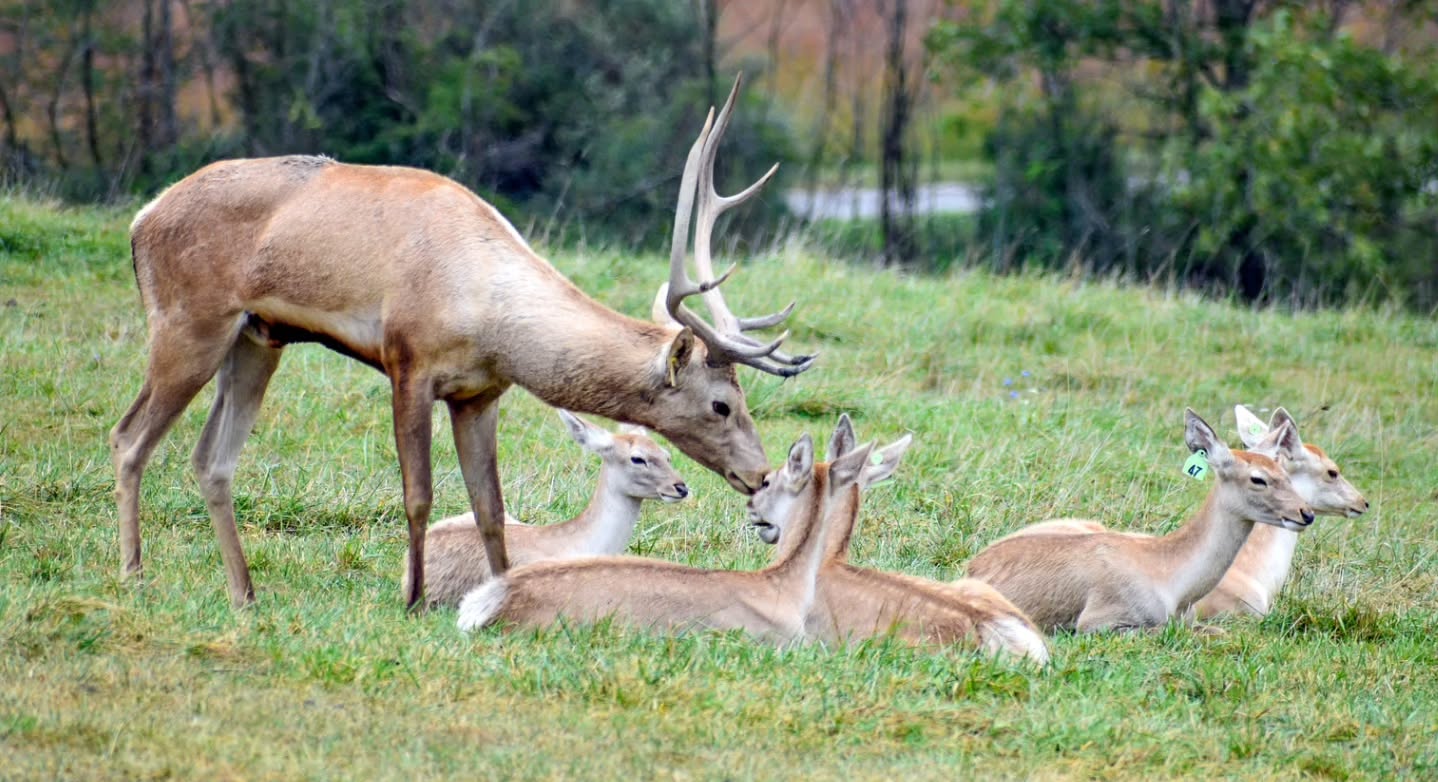
- Overview of Bactrian Deer Morphology and Behavior
- Habitat and Geographic Distribution of Bactrian Deer
- Conservation Status and Threats Facing Bactrian Deer
- Importance of Bactrian Deer in Ecosystems
- Conservation Efforts and Strategies
Bactrian deer (Cervus hanglu bactrianus), also known as the Mongolian wapiti, are a subspecies of the Hangul deer native to parts of Central Asia, particularly Mongolia and China. With distinct morphological characteristics and specific behavioral traits, these deer exhibit adaptations perfectly suited to their habitats. Their antlers, which are complex and branched, make them stand out in the animal kingdom. Adult males, generally larger than females, can weigh between 400-600 pounds. They possess a rich brown coat with lighter underparts and a characteristic mane along the neck.
The behavior of Bactrian deer is fascinating, particularly in their social structures. They are primarily gregarious, forming herds that help them avoid predators. During the breeding season, males engage in displays of dominance, showcasing their antlers and engaging in vocalizations to attract females. The social hierarchy provides stability for breeding, foraging, and protection from threats.
Bactrian deer inhabit grasslands, forests, and mountainous terrains. They prefer wet meadows and valleys, where vegetation is abundant. Their diet consists mainly of grasses, leaves, and shrubs. Seasonal changes influence their movements, as they migrate to lower altitudes in winter to find more accessible food sources. The geographical range of Bactrian deer is being increasingly restricted due to urban expansion, agriculture, and other human activities, particularly in Mongolia and parts of China.
The conservation status of Bactrian deer is alarming. They are classified as endangered by the International Union for Conservation of Nature (IUCN) due to significant population declines in recent decades. Factors contributing to this status include habitat loss, poaching, and competition with domestic livestock. Climate change is also becoming an increasingly important factor, affecting their habitats and food availability.
Habitat fragmentation poses a serious risk to Bactrian deer. The establishment of roads and urban areas results in isolated populations that struggle to find mates and genetic diversity. This leads to inbreeding, which can weaken the population further. Conservationists are working to address these challenges through habitat restoration and the establishment of protected areas.
Bactrian deer play a vital role in their ecosystems. As herbivores, they help maintain the balance of vegetation, which in turn supports the entire food web. Their grazing habits contribute to the growth of various plant species, creating habitats for insects and other wildlife. Additionally, they serve as prey for larger predators, such as wolves and leopards, thus supporting the overall ecological balance.
Efforts to conserve Bactrian deer are focused on several key strategies. Protected areas have been established to shield them from human encroachment. Collaborative conservation programs involving local communities aim to promote sustainable land management practices. These initiatives often include educational outreach to raise awareness about the ecological role of Bactrian deer and the importance of biodiversity conservation.
In addition to habitat protection, anti-poaching measures are critical. Organizations monitor deer populations through field surveys and by employing technologies such as camera traps. These efforts provide crucial data for developing management plans that ensure population stability and growth. Conservation breeding programs have also been implemented, aiming to enhance the genetic variability of the population.
Restoration of degraded habitats is another essential component of conservation efforts. Reforestation and the re-establishment of native plant species help improve the quality of their ecosystems, providing food and shelter for Bactrian deer. These measures also benefit other wildlife species affected by habitat degradation.
Community involvement is fundamental to Bactrian deer conservation. Engaging local populations in conservation efforts leads to better compliance with protective measures. By providing alternative livelihoods that are sustainable and environmentally friendly, communities are more likely to support conservation initiatives.
Studies indicate that genetic diversity among Bactrian deer is crucial for their long-term survival. An ongoing focus on genetic research aims to assess and enhance the health of populations. Understanding genetic variation helps inform effective management strategies and improves the chances of successful reproduction.
Scientific research plays a vital role in the ongoing conservation of Bactrian deer. Researchers study their behavior, food preferences, and reproductive habits to gain insights that inform better conservation strategies. These findings are essential for understanding how Bactrian deer adapt to changing environmental conditions and for forecasting future challenges.
Engagement with policymakers is critical in shaping conservation strategies. Effective legislation can help provide legal protections, enabling a coordinated approach to habitat preservation and management. Advocacy groups work tirelessly to raise awareness among decision-makers about the importance of protecting Bactrian deer.
Bactrian deer serve as an indicator species. Their health reflects the overall condition of their ecosystems. Monitoring their populations can provide insights into broader environmental changes, allowing for timely intervention before problems escalate.
Understanding the biology and behavior of Bactrian deer is fundamental to effective conservation. The ecological and cultural significance of this subspecies highlights the need for focused efforts to safeguard their existence. By appreciating their role in nature, communities and conservationists can foster a sustainable future for Bactrian deer.
In light of all these considerations, the plight of Bactrian deer indeed calls for immediate attention and strategic action. Collaborative efforts across borders and sectors are essential for ensuring that future generations can witness this majestic species thriving in its natural habitat. Through improved conservation measures, habitat protection initiatives, and enhanced public awareness, the prospects for Bactrian deer can be significantly improved, paving the way for a more balanced ecosystem and biodiversity preservation.
*****
Source Description
Bactrian deer (Cervus hanglu bactrianus) 📷 @ @visitthewilds
