
- The significance of bats in ecosystems.
- An introduction to Seba’s short-tailed bats.
- Conservation efforts and monitoring of bat populations.
- Prominent activities for Bat Appreciation Day at Houston Zoo.
- Engagement activities for visitors, including the night team presentation.
Bats play a critical role in ecosystems around the world. These flying mammals are essential for pollination, seed dispersal, and insect control. Approximately 1,400 bat species inhabit various environments, contributing to the health of their ecosystems. In the United States alone, bats consume a significant number of insects, including agricultural pests. This natural pest control saves farmers money and helps maintain ecological balance. Understanding the contribution of bats is vital, especially as many species face risks from habitat loss, climate change, and disease.
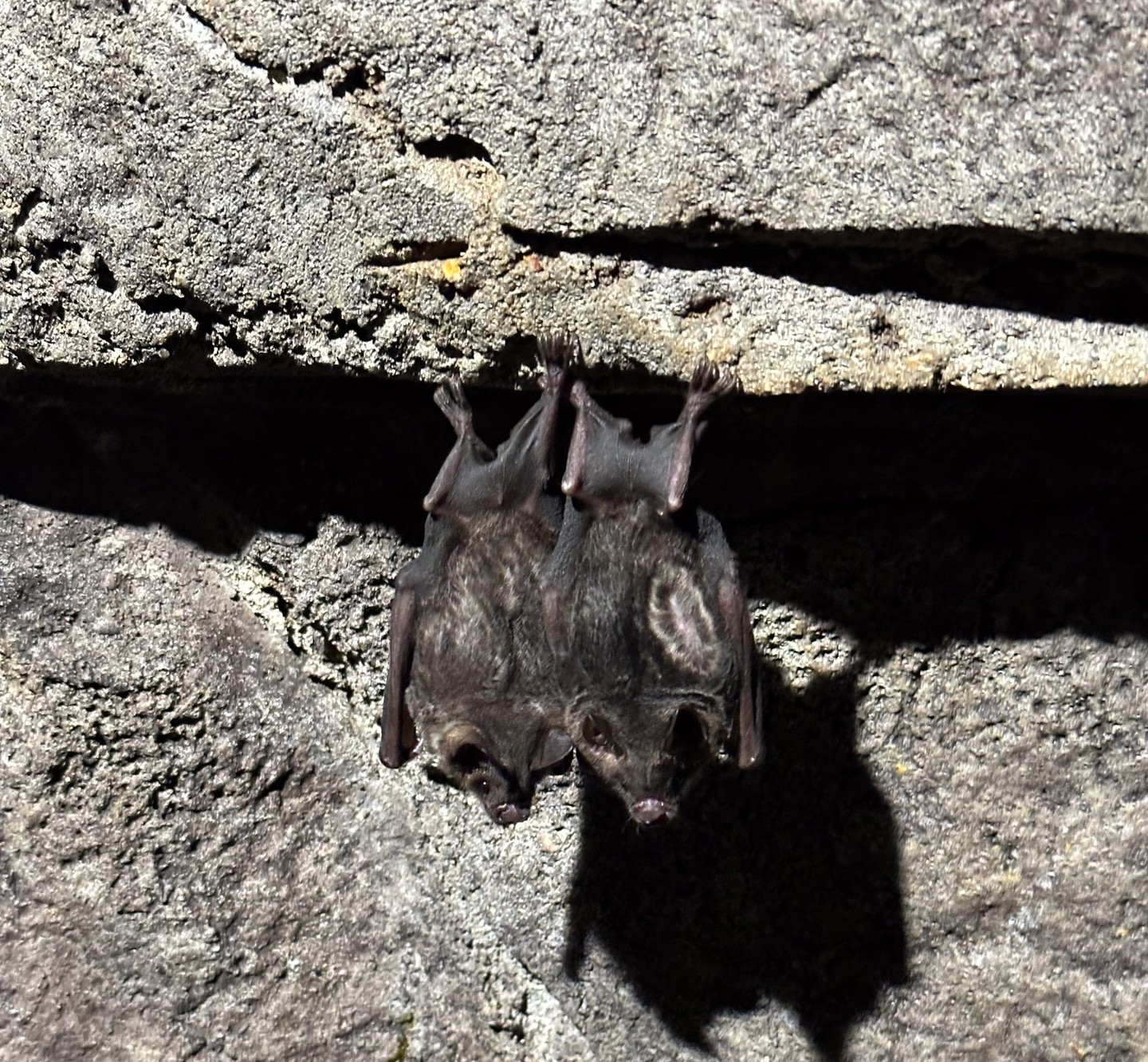
Among the intriguing species of bats showcased at the Houston Zoo is the Seba’s short-tailed bat (Carollia perspicillata). This fruit bat is particularly notable for its adaptation to various habitats, thriving in both tropical and subtropical regions. With its unique physical traits, such as a short tail and characteristic rounded ears, Seba’s short-tailed bats are agile flyers. They primarily feed on fruits and flowers, making them important in the pollination and seed dispersal processes. Observing these bats helps visitors appreciate their behavior and role in local ecosystems firsthand.
Conservation efforts for bats have grown increasingly important, especially for the protection of species like Seba’s short-tailed bat. Various organizations and researchers are involved in monitoring bat populations to collect data on their health and numbers. These initiatives are crucial, as they help identify population declines that could be attributed to environmental stressors or diseases, such as white-nose syndrome, which has devastated numerous bat populations across North America. By understanding bat dynamics, conservationists can implement effective strategies to safeguard their habitats and ensure their survival.
This weekend at the Houston Zoo, Bat Appreciation Day promises a memorable experience for all visitors. The event highlights the Seba’s short-tailed bat colony residing in the John P. McGovern Children’s Zoo. There, guests can observe these fascinating creatures up close and learn about their behaviors and habitats. By bringing attention to bats, the zoo aims to raise awareness of their ecological importance and encourage positive action for their conservation.
In addition to the bat exhibits, special extended hours during Zoo Bloom will allow visitors to engage with the zoo’s night team. This dedicated group of educators will share insights into the role of bats within local ecosystems and the ongoing monitoring efforts being conducted in the area. Visitors will learn how bats contribute to pest management and pollination, emphasizing their necessity for healthy ecosystems. The night team’s expert guidance will create an enriching experience, allowing attendees to ask questions and deepen their understanding of bats.
Engaging activities will further enhance the Bat Appreciation Day experience. From educational presentations to interactive displays, guests can immerse themselves in the world of bats. Crafts and educational materials will be available, making it easier for families to take home knowledge about bats and their importance. Additionally, the zoo encourages visitors to share their experiences on social media, helping to promote bat conservation awareness beyond the zoo grounds.
This annual celebration serves as a crucial moment to highlight the ongoing efforts needed to protect bat populations. In various regions, the disappearance of bats can lead to increased pest populations, which could result in ecological imbalance and economic hardship. The knowledge shared during Bat Appreciation Day is vital for fostering a community grounded in environmental stewardship.
The Seba’s short-tailed bat colony in the Houston Zoo serves as a prime example of the care and conservation efforts required to protect bat species in urban settings. By maintaining healthy environments, the zoo demonstrates how even urban facilities can contribute positively to environmental conservation. The zoo’s extensive programs and partnerships underline the importance of collaborative efforts within communities to enhance awareness and ensure the survival of bat populations.
As visitors participate in the event, opportunities to learn about local bat species will be plentiful. Educational sessions will focus on the identification of bats in the area, their ecological roles, and the potential threats they face. The insights gained impart valuable knowledge, nurturing a new generation of conservationists who appreciate the importance of every species in their ecosystem.
The Houston Zoo doesn’t just serve as an educational facility; it embodies a center for wildlife advocacy. Alongside activities for Bat Appreciation Day, the zoo regularly engages in wildlife rescue and rehabilitation efforts, highlighting their commitment to animal welfare. The presentation of local bats will include success stories, showcasing how rehabilitation and proper care have allowed healthy species populations to thrive after previous declines.
Collaborating with leading wildlife conservation organizations, the zoo remains dedicated to bat research and habitat conservation. This integration of scientific research into public engagement exemplifies the role of zoos as conservation leaders. Initiatives are not limited to just bats; rather, they encompass a diverse range of wildlife, underscoring the interconnectedness of all living organisms.
As Bat Appreciation Day unfolds, attendees are invited to explore a variety of exhibits, taking time to appreciate the beauty and complexity of bats and their habitats. This celebration isn’t just about observing bats; it’s about fostering a community movement that prioritizes wildlife conservation. The more individuals understand the significance of these animals, the more likely they are to engage in protective measures.
In essence, Bat Appreciation Day at the Houston Zoo offers a comprehensive opportunity to learn about Seba’s short-tailed bats, the vital contributions of bats to local ecosystems, and the importance of committed conservation efforts. The event is designed not just for entertainment but to inspire all who attend to take action in protecting these essential creatures.
Throughout the weekend, the zoo’s emphasis on educational engagement will resonate with visitors. The activities planned surrounding Bat Appreciation Day will help create lasting impressions, encouraging guests to think critically about wildlife conservation. Fostering awareness around the importance of bats is essential not only for the species themselves but also for maintaining the health of our broader ecosystems.
Bats are not just creatures that fly under the radar; they are integral components of the natural world. By celebrating bats, we celebrate the intricate web of life that sustains our environments. Each interaction visitors have with these fascinating animals brings us one step closer to a more informed and engaged public, which is essential for future conservation efforts.
Join us this weekend at the Houston Zoo and take part in the celebration of Bat Appreciation Day. Help us raise awareness and promote the importance of saving our bats as they play a vital role in balancing our ecosystems. We encourage everyone to participate, learn, and take this knowledge back into their communities, emphasizing the need for continued conservation of the world’s bat species.
*****
Source Description
🦇 It’s Bat Appreciation Day! Celebrate with us this weekend at Houston Zoo and see our Seba’s short-tailed bat colony in the John P. McGovern Children’s Zoo.
Plus, join us tomorrow during Zoo Bloom for special extended hours and meet our night team. They will share why bats are so important to our local ecosystem and highlight the vital monitoring work they are doing to learn more about the bat species that call our area home.
📸: Wildlife Connections Keeper Tijerina
