
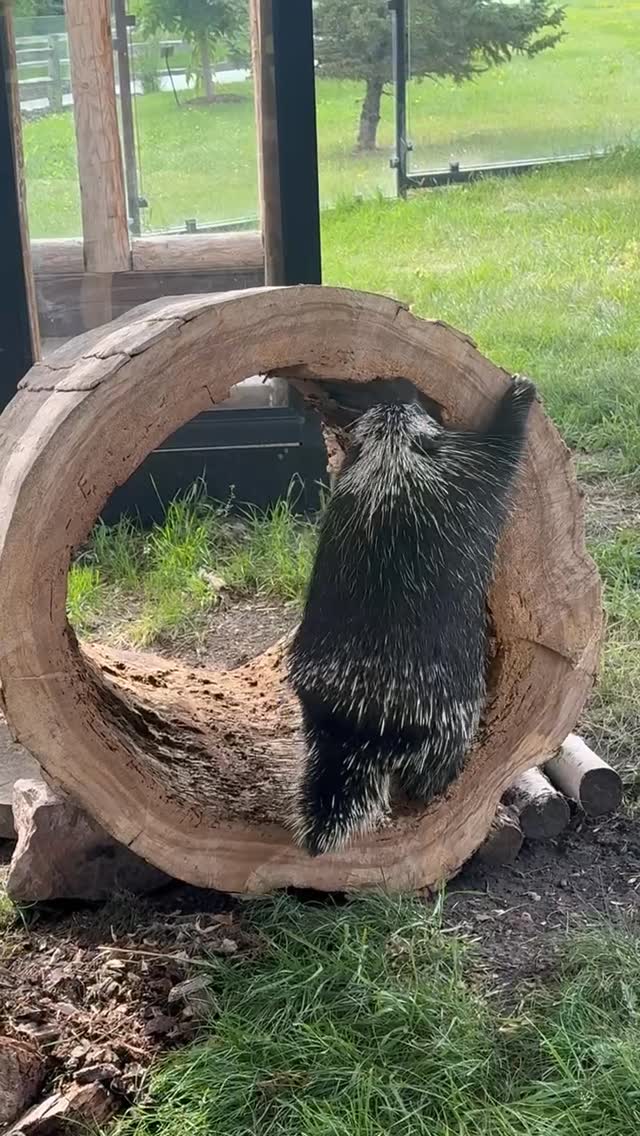
- The investigative behaviors of animals in natural habitats.
- The role of nutrition and snacks in animal behavior and bonding.
- Insights into animal partnerships and social structure.
- The significance of logs and natural elements in animal environments.
- The intersection of wildlife observation and conservation efforts.
Investigative behaviors in animals often reveal their adaptability and intelligence. In the case of Jasmine, a small animal known for her inquiries, analyzing a new log can serve as a potential food source or a territory marker. Logs provide a habitat for various creatures, including insects that could be significant in her diet. Jasmine’s excitement as she explores the log is a testament to her instincts. She uses a combination of olfactory cues and physical exploration to identify scents that inform her about the presence of other animals nearby.
Exploration such as this often reflects a foundational aspect of animal behavior. Animals are hardwired to investigate their environments for safety, resource availability, and social interaction. Understanding these behaviors can provide valuable insights into their roles in ecosystems. For instance, Jasmine’s behavior speaks volumes; she is surveying her environment and establishing her position within it.
Alongside the investigative nature of animals is the behavioral aspect displayed by Doug, who is primarily interested in the snacks. Nutrition plays a critical role in animal behavior, directly affecting their activity levels and social interactions. For many species, food can act as a catalyst for interaction. Snacks may seem trivial, but they can significantly influence the dynamics between animals. Sharing food can strengthen bonds and establish hierarchies.
When Doug is focused on the snacks, he reflects a common scenario seen in many animal species. Many animals will prioritize food over investigative activities when they sense nourishment is available. This is particularly true for animals exhibiting social behaviors, where sharing or foraging together can lead to aligned interests. The act of enjoying snacks can serve as a community-building activity, integrating animals like Doug and Jasmine into a collaborative environment.
The significance of logs and similar structures in natural habitats cannot be underestimated. They serve various ecological functions. Logs provide shelters for small creatures like insects, fungi, and microorganisms, playing essential roles in nutrient cycling. By investigating logs, animals like Jasmine can access a myriad of living organisms, thereby enriching their diets and understanding their surroundings.
Additionally, logs can act as natural barriers or territory markers. For many animals, these structures are essential navigation points, helping them maintain their territories or find mates. Jasmine’s investigation may not only signify an interest in the immediate resources but also a recognition of this log as part of her broader environment. Logs thus serve both practical and social purposes.
When animals engage with their surroundings, social structure often comes into play. The dynamic between Jasmine and Doug provides a window into the social behaviors among different species. Animals often develop relationships characterized by roles, with some focused on exploration and others on resource management. This interaction provides a shared space where species can engage with each other, contributing to their social fabric.
Furthermore, the observation of animal partnerships can lead to essential conservation insights. Studying animals like Jasmine and Doug can help scientists understand how species interact with their environment and each other. These insights are critical for developing conservation strategies. By comprehending their behaviors, conservationists can create initiatives that foster positive habitats for various species.
Effective wildlife conservation relies on understanding the fundamental interactions between species and their environments. As animal behaviors are observed, such as Jasmine’s prominent investigative nature and Doug’s snack-focused antics, researchers can identify patterns that might indicate environmental health. Analyzing these patterns will contribute to improving habitats and protecting vulnerable species.
At a broader level, educating the public about these interactions can promote awareness of wildlife conservation efforts. As communities become more engaged in animal behaviors, they are more likely to foster respect for natural ecosystems. Environments that support diverse animal communities are often richer in biodiversity, making education crucial for encouraging responsible behavior towards wildlife.
Further, the exploration and foraging behaviors seen in animals serve as reminders of our interconnectedness with wildlife. Taking the time to observe animal behavior not only enriches our understanding of these species but can encourage responsible stewardship of their natural habitats. Establishing bonds with species, as seen with Jasmine and Doug, emphasizes the importance of peaceful coexistence.
The role of logs in Jasmine’s investigation also highlights the importance of natural components in ecosystems. Logs provide shelter and resources while facilitating complex food webs. As Jasmine explores the log, she might uncover insects or fungi that serve as nutrients, reinforcing the significance of logs as ecological cornerstones. Educating the public on such dynamics helps foster a deeper appreciation for natural habitats.
Moreover, logs can act as a base for understanding more complex ecological interactions. They support various life forms and their interconnected relationships. Observers of animal behavior can gather insights on species interactions by studying how animals, like Jasmine, utilize logs for foraging and shelter. Such studies enrich our understanding of ecosystems, promoting conservation knowledge essential for sustaining biodiversity.
By fostering a deeper understanding of animal behaviors and the nuances therein, researchers and enthusiasts can contribute to biodiversity conservation. Observational studies that focus on animal partnerships and interactions enhance our grasp of environmental health. Comprehensive research encourages the integration of wildlife observation into conservation strategies.
In essence, investigations like Jasmine’s amidst partnerships with others like Doug emphasize the ties between nutrition, exploration, and ecological integrity. By understanding these nuances, we can work toward creating environments that are supportive of wildlife, encouraging engagement among communities.
The journey of investigating logs as demonstrated by Jasmine serves as both an educational tool and a conservation opportunity. It highlights the need for holistic approaches to managing animal habitats while recognizing the variety of interactions governed by food, shelter, and social structure. Engaging with these themes can yield vital information, informing progressive strategies aimed at preserving natural environments.
As more individuals appreciate the complexity of animal behaviors and their social contexts, it will serve as a foundation for impactful wildlife conservation efforts. Observing animals like Jasmine and Doug not only brings joy but also provides opportunities to advocate for healthier ecosystems. Through education and awareness-building initiatives, communities can learn to respect and preserve the natural balance in which these animals thrive.
Overall, the outlined elements of investigative behavior, dietary preferences, social structures, and natural habitats create a compelling narrative around animal life. Animals like Jasmine and Doug offer a glimpse into the broader scientific principles governing wildlife behavior, emphasizing the importance of integrating conservation education and action. This makes wildlife observation crucial for fostering engaging networks among enthusiasts, researchers, and conservationists alike.
*****
Source Description
Jasmine’s busy investigating the new log, while Doug’s here for the snacks. 🦔🔍🪵🦔😋 Life as zoomates is off to a great start! 💚
