
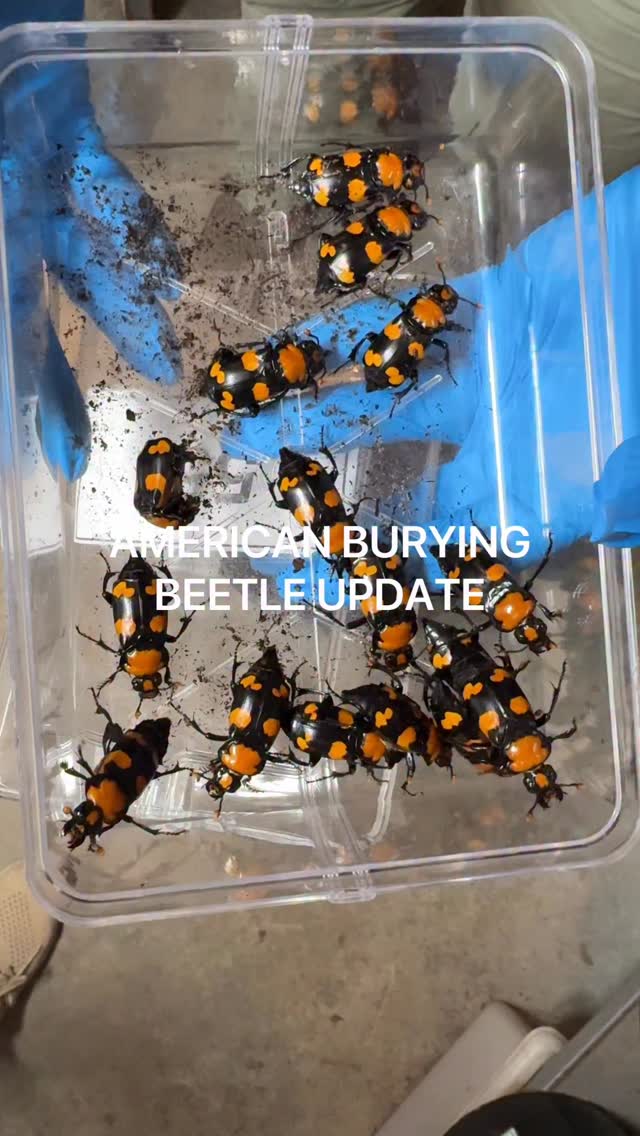
- The significance of the American burying beetle in ecosystem health.
- Breeding and rearing practices at the Cincinnati Zoo.
- The role of zoos in conservation efforts for endangered species.
- The life cycle and ecological benefits of beetles.
- Future plans and research at the Cincinnati Zoo regarding beetle conservation.
The American burying beetle (Nicrophorus americanus) represents more than just an intriguing insect; it serves as an essential component of the ecosystem. Once widely distributed across North America, it is now classified as endangered. The Cincinnati Zoo plays a critical role in the conservation of this species, particularly during the breeding season. In February, as temperatures rose and instincts kicked in, the beetles began to mate and lay eggs, leading to the anticipation of around 400 offspring emerging. This surge in population is a beacon of hope, illustrating the potential for recovery in species previously on the brink of extinction.
Understanding the ecological role of the American burying beetle is fundamental. These beetles are scavengers, feeding on carrion, which can include small mammals and birds. Their feeding habits contribute significantly to nutrient cycling within ecosystems. They break down animal remains, returning nutrients to the soil, thus aiding plant growth and promoting overall ecosystem health. By performing this ecological role, the American burying beetle also helps manage populations of other organisms, thereby maintaining balance within ecosystems.
The Cincinnati Zoo employs both advanced breeding practices and traditional techniques to nurture these endangered beetles. The breeding process involves creating controlled environments where optimal conditions—temperature, humidity, and food availability—are meticulously maintained. For example, beetles require carrion to thrive; therefore, the zoo prepares small amounts of meat to simulate natural conditions. This understanding of beetle needs promotes healthy reproduction rates and ensures that the offspring are viable and successful in the wild.
The release of these newly hatched beetles is a pivotal part of the Cincinnati Zoo’s conservation strategy. By preparing the offspring for their return to the wild, the zoo addresses the issue of population decline in natural habitats. Before the release occurs, staff monitors the beetles, ensuring they develop the necessary skills to survive. This includes understanding how the beetles interact with their environment, find carrion, and respond to potential threats. The goal is not only to bolster the population numbers but also to foster a sustainable population that can thrive independently in nature.
The strategic role of modern zoos extends beyond entertainment; these institutions act as sanctuaries for endangered species and facilitate critical conservation efforts. The Cincinnati Zoo stands out as a pioneer in this area, dedicated to research, breeding, and public education around the American burying beetle. In addition to breeding programs, they engage in habitat restoration projects, aiming to reestablish environments conducive for the beetles. Through these initiatives, zoos foster a bridge between science and the community, encouraging greater awareness about biodiversity and conservation issues.
The life cycle of the American burying beetle offers an intriguing glimpse into their biology. After mating, females lay eggs in or near carcasses, where the larvae feed on the decaying matter. The adult beetles exhibit parental care, ensuring that their young have sufficient nutrition. They even remain with their offspring, guarding them against predators. This aspect of their behavior underscores the complexity of their social structure, which has implications for their survival in the wild.
Beetles contribute ecological benefits that go unnoticed by many. Their activities enrich the soil and promote the growth of vegetation, which in turn supports a myriad of other wildlife. The relationship they share with their surroundings underscores how crucial they are to biodiversity. The potential loss of this species would disrupt ecological dynamics, revealing the far-reaching impacts of species declines.
In addition to local efforts, the Cincinnati Zoo collaborates with various conservation organizations to expand its reach in protecting the American burying beetle. These partnerships allow for the sharing of knowledge, resources, and best practices across institutions. Long-term research projects funded in part by these collaborations focus on genetics and population dynamics. Understanding the genetic diversity of the beetle populations can guide effective conservation strategies. Programs that aim to educate the public on the ecological importance of these beetles also play a vital role in fostering support for conservation efforts.
As the offspring of the current breeding season mature, plans at the Cincinnati Zoo include methodical monitoring after release. This will involve tracking their movement and reproductive success in their natural habitat. Documenting their behaviors in the wild will provide valuable insights into the challenges they face outside of a controlled environment. Such data are instrumental in refining ongoing conservation strategies.
Alongside practical conservation efforts, educational outreach is a cornerstone of the Cincinnati Zoo’s mission. Various programs educate visitors about the American burying beetle’s ecological importance and the ongoing efforts to conserve this species. Interactive exhibits and live demonstrations encourage engagement, stirring curiosity among attendees. These initiatives not only raise awareness but also inspire future generations to protect wildlife.
The American burying beetle project at the Cincinnati Zoo illustrates the intersection of science, community, and conservation. The collaborative work between zoologists, educators, and the public fortifies the push against biodiversity loss. As breeding seasons come and go, the zoo remains steadfast in its mission to support the American burying beetle population, ensuring that one of nature’s remarkable species can continue its journey in the wild.
In a broader context, the story of the American burying beetle serves as a reflection of the urgent need for environmental stewardship. The lessons learned from their conservation can be translated to efforts focused on other endangered species. Each creature offers a distinct role in its ecosystem, making protection efforts imperative. The ongoing journey at the Cincinnati Zoo showcases a commitment to preservation that extends far beyond the individual species, influencing the larger facets of biodiversity and ecological health.
Through a combination of breeding initiatives, habitat restoration, and community education, the Cincinnati Zoo is setting a standard for what modern zoos can achieve in wildlife conservation. Focused efforts to stabilize and grow the American burying beetle population are not stand-alone, but part of a larger vision for environmental sustainability. Every step taken in the breeding of these beetles contributes to a growing movement towards conserving not only this endangered species but the intricate web of life that it represents.
*****
Source Description
It’s Beetle Mania at the Cincinnati Zoo! You might recall back in February it was breeding season for the endangered American burying beetles. We expect about 400 total this round! Now it’s time to check on their offspring and get them ready for their release back the wild this summer!
