
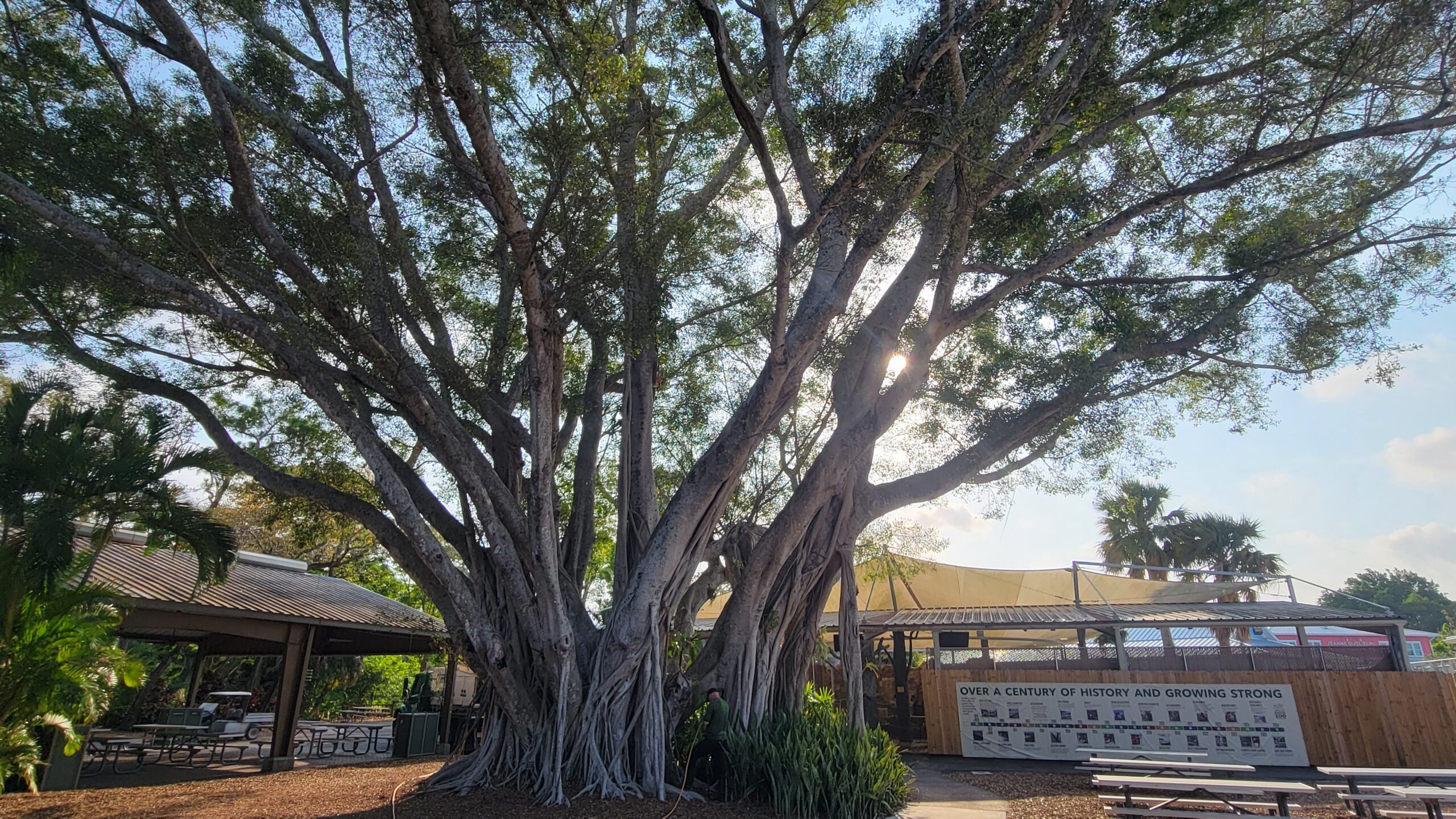
Summary of Celebrating Arbor Day at Naples Zoo: Caring for Our Living Canopy:
Summary:
In a message from Danielle Green, Vice President of Gardens & Facilities at Naples Zoo, April is highlighted as a month of celebrations, notably Arbor Day, which emphasizes the importance of trees. The origins of Arbor Day trace back to Julius Sterling Morton, who advocated for tree planting in Nebraska in the 1800s, leading to the first Arbor Day on April 10, 1872. While all 50 states recognize Arbor Day, Florida celebrates it in January. Naples Zoo, an accredited arboretum, honors trees year-round, focusing on their health and contribution to the environment. The horticulture team actively manages the tree collection to enhance animal habitats and visitor experiences, demonstrating a year-round commitment to tree care and stewardship. Visitors are encouraged to appreciate the living collection of trees as they walk through the Zoo.
- The history and significance of Arbor Day, including its origins and evolution.
- Naples Zoo’s role as an accredited arboretum and the importance of caring for its tree collection.
- The environmental benefits and ecological roles of trees within a zoological setting.
- Ongoing conservation efforts at Naples Zoo, including tree inventory management and health monitoring.
- Community engagement and educational initiatives related to Arbor Day at Naples Zoo.
April brings with it the anticipation of spring, as well as the celebration of Arbor Day, a holiday of great significance, especially at Naples Zoo. Arbor Day highlights the vital role trees play in enhancing our landscapes, sustaining ecosystems, and enriching communities.
The concept of Arbor Day originated in the mid-1800s through the vision of Julius Sterling Morton, a Nebraska journalist and politician, who recognized the need for trees in prairie landscapes. Morton cultivated orchards and windbreaks on his own property, demonstrating the feasibility and benefits of planting trees. His passionate advocacy led to the establishment of a designated day for tree planting. On April 10, 1872, the first Arbor Day was celebrated in Nebraska, resulting in the planting of over a million trees statewide. This event marked a pivotal moment in tree conservation history. Today, all 50 states observe Arbor Day, though the specific dates vary according to local climates and planting windows. In 1970, the last Friday in April was designated as National Arbor Day by Richard Nixon, amplifying its national significance.
In Florida, Arbor Day is often celebrated in January, capitalizing on the milder weather to maximize the success of tree planting. Yet at Naples Zoo, the appreciation for trees extends well beyond a single day. The zoological institution views the care for trees as a year-round commitment. The grounds of Naples Zoo serve as an arboretum, which is a specialized garden focused on the study and cultivation of trees. The zoo is proud to be recognized as an accredited arboretum through the ArbNet program, overseen by The Morton Arboretum. This designation underscores the zoo’s dedication to the stewardship and documentation of its diverse living tree collection.
At Naples Zoo, the horticulture team treats trees as an integral part of the “other living collection.” This holistic approach highlights the interdependence between healthy landscapes, animal habitats, and visitor experiences. The ongoing care of the tree canopy involves routine health assessments, pruning, and preventive measures to prepare trees for the storm season that often impacts Southwest Florida. Maintaining healthy trees not only ensures the safety of zoo visitors but also contributes to the overall ecological health of the area.
Backstage, a comprehensive inventory database of trees is being developed, aiding in the meticulous documentation and management of the living tree collection at Naples Zoo. This initiative aims to strengthen long-term conservation practices, making it easier to position the zoo for additional certifications as an arboretum and botanical garden in the future. This focus on data collection and cataloging reflects a forward-thinking approach to conservation and resource management.
Trees in Naples Zoo do much more than provide aesthetic value; they serve essential ecological functions that contribute to a healthy environment. They offer shade for both animals and visitors, beautify the landscape, and create vital wildlife habitats. In this zoological context, trees contribute to the zoo’s resilience against environmental changes, making the facility a greener and more sustainable place. The biodiversity that trees support is crucial; they provide homes for insects, birds, and other species, thereby creating a balanced ecosystem.
The ongoing commitment to environmental stewardship is evident each Arbor Day at Naples Zoo through various community engagement initiatives. Educational workshops, guided tours, and tree-planting activities facilitate hands-on learning, raising awareness about the critical role trees play in our lives. Participants become ambassadors for tree care, embodying the zoo’s efforts to create a culture of conservation.
Throughout the year, visitors to Naples Zoo are encouraged to appreciate the living collection of trees as they stroll through the zoo. This canopy not only enhances the ambience but serves as a living reminder of the zoo’s commitment to biodiversity and ecological balance. Engaging with nature at the zoo allows guests to foster a deeper appreciation for the environmental challenges that trees face and the concerted efforts required to protect them.
In keeping with its mission, Naples Zoo prioritizes sustainable practices. The careful selection of tree species ensures compatibility with the local ecosystem, supporting native wildlife. Whenever feasible, the horticulture team opts for trees that provide food and shelter for various species, further intertwining the zoo’s botanical and wildlife conservation efforts.
As Arbor Day approaches, Naples Zoo reflects on its unique position as a center for both animal and plant conservation. The trees are not an afterthought; they play an essential role in creating a vibrant living environment that facilitates education, conservation, and community connection. As guests traverse through the shaded pathways, they are walking through a living testament to the vibrant diversity of life that trees support.
The dedication to tree care is a core tenet of Naples Zoo’s operational philosophy. Despite Arbor Day arriving just once a year, the commitment to safeguarding and nurturing trees exists every day at the zoo. This ongoing stewardship of the tree canopy showcases the profound understanding of how trees contribute not only to the zoo’s aesthetic charm but also to broader ecological health.
Visitors to the zoo often leave with a sense of wonder not only for the animals but for the entire ecosystem. The trees elegantly frame the landscape while providing vital anchors for countless organisms, both seen and unseen. The interconnectedness of tree health and wildlife conservation is an essential facet of what makes Naples Zoo a premier destination for both education and enjoyment.
Each Arbor Day celebration serves as an opportunity for Naples Zoo to reaffirm its dedication to both animal welfare and plant conservation. By promoting tree health and biodiversity, the zoo participates in a larger movement advocating for environmental resilience. This commitment to preserving plant life solidifies the zoo’s position as a leader in conservation efforts.
For decades, the zoo has been actively engaging with local communities to plant trees, teach respect for the environment, and foster sustainable practices. Partnerships with schools and local organizations further expand the reach of these initiatives, paving the way for future generations to embrace the ethos of conservation. The active involvement of the community amplifies the impact of Arbor Day, ensuring that the message of tree care resonates beyond the confines of the zoo.
As visitors take time to enjoy the shaded paths of Naples Zoo, they partake in an ongoing narrative of ecological stewardship. Each visit contributes to a collective understanding of why trees matter—not just as individual entities but as fundamental components of all life. In the spirit of Arbor Day, Naples Zoo serves as a reminder that caring for our living canopy is an ongoing commitment, fostering an enduring responsibility towards nature.
This holistic approach positions Naples Zoo not merely as a center for wildlife and education, but as a crucial player in the larger narrative of conservation. By intertwining tree care with animal husbandry, the zoo reflects a comprehensive understanding of the interdependencies that exist in the natural world. Engaging with trees enhances the overall mission to protect biodiversity and create sustainable ecosystems, ensuring a thriving future for both wildlife and the environment.
Through dedication and hard work, the team at Naples Zoo continues to exemplify the importance of Arbor Day. Every tree planted and nurtured is a step towards a more resilient and harmonious ecosystem, illustrating how institutions can leverage their resources to promote a collective environmental ethic. The importance of Arbor Day transcends a singular celebration; it embodies a year-round commitment to caring for our living canopy, ensuring that trees remain vital components of a healthy planet.
