
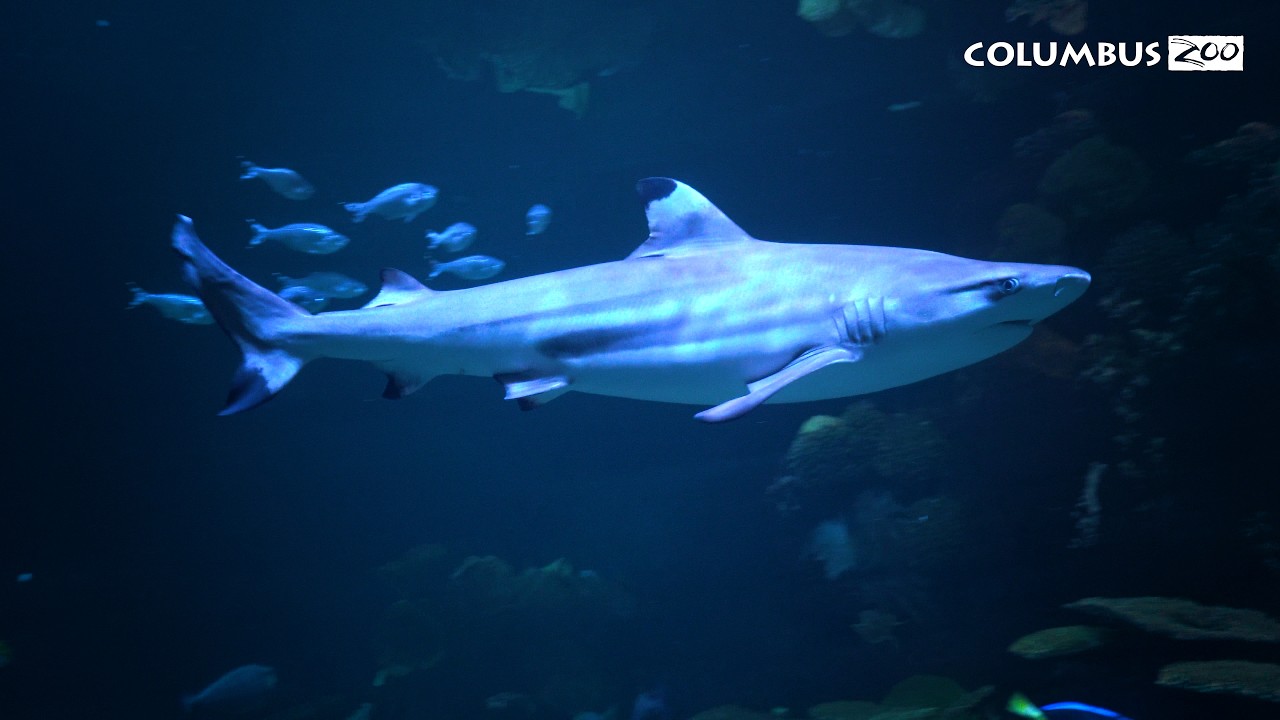
- Detailed procedures and techniques involved in a Blacktip Reef Shark wellness check.
- The biological and ecological characteristics of Blacktip Reef Sharks.
- The critical role of zoo management and aquariums in shark conservation efforts.
- Advanced tools and technology used in monitoring and maintaining shark health.
- The broader implications of shark wellness checks for wildlife conservation.
Inside a Blacktip Reef Shark wellness check, a combination of meticulous procedures and specialized techniques ensures these marine predators remain healthy and thrive within their aquarium environments. This complex process involves expert assessments of physical health, behavior, and the living conditions of the sharks. Utilizing state-of-the-art technology and a team of skilled professionals, wellness checks balance the intricate needs of Blacktip Reef Sharks with conservation goals.
Blacktip Reef Sharks, known scientifically as Carcharhinus melanopterus, are distinguished by the prominent black tips on their fins. These sharks inhabit the shallow waters of coral reefs across the Indo-Pacific region. They are smaller sharks, typically growing to about 5 feet in length, and are known for their agile movements and social behaviors. In controlled environments like aquariums, understanding their biology is vital for their well-being.
A wellness check begins with a thorough examination by marine biologists and veterinarians. This involves both visual inspections and physical exams. Sharks are observed for any signs of abnormal behavior, which can indicate stress, illness, or discomfort. Trained staff might use nets or special devices to gently restrain the sharks, minimizing stress while allowing for detailed examination. This ensures accurate assessments of their physical condition, including checking for skin lesions, abnormal swimming patterns, or signs of malnutrition.
Zoo management plays a crucial role in maintaining the delicate balance of ecosystem dynamics within aquariums. These facilities act as centers for research, education, and preservation, focusing on both the care of individual animals and broader conservation efforts. Blacktip Reef Sharks, like many marine species, face threats in the wild from habitat loss, overfishing, and climate change. By providing safe environments, aquariums contribute significantly to the preservation of these species.
The use of advanced tools is integral to effective wellness checks. Technologies such as ultrasound are employed to monitor internal health conditions, providing vital information on organ health and reproduction without invasive procedures. Blood tests are conducted to analyze key health indicators, allowing veterinarians to detect potential issues early. These tools are crucial for diagnosing health problems that are not visually apparent.
The implications of wellness checks extend far beyond individual aquariums. They serve as critical components of global wildlife conservation strategies. Data collected from these procedures help scientists understand more about shark genetics, health trends, and responses to environmental changes. This information is vital for developing effective conservation policies and strategies, particularly for species with declining populations.
Moreover, public education is enhanced through these wellness activities. Aquariums often share insights and findings with visitors, raising awareness about shark conservation and the importance of marine ecosystems. Engaging the public fosters a connection with marine life, promoting environmental responsibility.
Blacktip Reef Sharks, like many marine creatures, play a significant role in the health of marine ecosystems. As apex predators, they help maintain species diversity by preying on weaker individuals and keeping populations balanced. Understanding their ecology and behavior through wellness checks not only helps in providing better care but also enhances conservationists’ ability to protect these species in the wild.
Through a combined effort of scientific research, technological innovation, and public education, the wellness of Blacktip Reef Sharks can be sustained both within aquariums and in their natural habitats. Conservation initiatives driven by these checks provide hope for the preservation and support of not only sharks but also diverse marine life contributing to healthy oceanic ecosystems.
The collaborative efforts between aquariums, scientists, and conservation organizations ensure that Blacktip Reef Sharks and their relatives thrive for future generations. By maintaining an active interest in their health and well-being, the global community can actively participate in the ongoing stewardship of our planet’s marine biodiversity.
*****
Source Description
Recently, our teams at the Columbus Zoo and Aquarium completed a wellness exam on a blacktip reef shark in our care – and Dr. Caitlin Hepps Keeney is here to fill you in on all the details!
Unlike some of the mammalian species at the Zoo, blacktip reef sharks may not show signs of disease, so doing wellness checks, like this one, allow our Animal Care teams to make sure the sharks remain healthy while also providing our teams with the opportunity to get objective health measurements.
Watch our latest video to learn all about the process of doing a wellness exam on a blacktip reef shark, and how our teams ensure the shark’s safe recovery following the procedure.
