
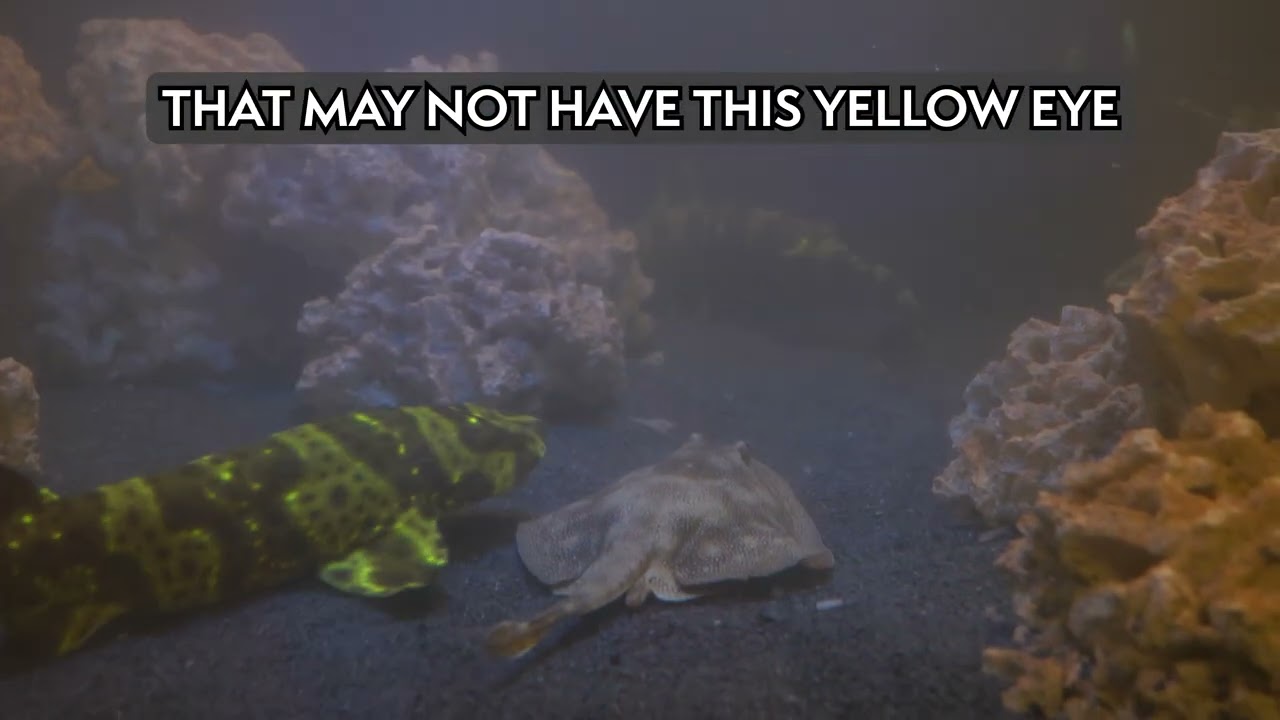
- Glow-in-the-Dark Vision: Understanding the Biology and Mechanisms
- Habitat and Behavior of Scuttlebutt Reef Sharks
- Conservation Efforts and the Role of Captive Settings
- Impacts of Glow-in-the-Dark Abilities on Ecosystem Dynamics
- Educational Opportunities and Public Engagement
Glow-in-the-Dark Vision: Understanding the Biology and Mechanisms
The glow-in-the-dark capability of certain marine creatures fascinates scientists and enthusiasts alike. This bioluminescent ability is not just a spectacle, but a sophisticated adaptation. Sharks in Scuttlebutt Reef exhibit remarkable glow-in-the-dark vision, a trait attributed to specialized proteins in their eyes. These proteins allow them to detect faint light in dark waters, enhancing their hunting efficiency and communication.
Bioluminescence in these sharks is primarily facilitated by the presence of photophores, small light-emitting organs. The emitted light results from a chemical reaction involving the enzyme luciferase and the molecule luciferin. By releasing this light, sharks can communicate with one another or even use it to attract prey.
The significance of bioluminescent vision extends to predator-prey interactions. Sharks with this ability can navigate the murky depths with greater acuity, spotting prey or evading predators more effectively. Understanding this evolutionary trait provides insights into shark behavior and ecology, further underscoring the marvels of marine adaptation.
Habitat and Behavior of Scuttlebutt Reef Sharks
Scuttlebutt Reef, a vibrant ecosystem, houses a diverse range of marine species. The habitat is characterized by its rich coral formations and bustling marine life, making it an ideal environment for glow-in-the-dark sharks. These sharks are integral components of the reef’s food web, influencing the balance of marine biodiversity.
The behavior of Scuttlebutt Reef sharks is intricately linked to their surroundings. During the day, they often remain hidden within the reef structures. As night falls, their activity levels surge., They employ their unique vision to hunt and navigate. Interactions with other species, including group hunting tactics, highlight their complex social structures and intelligence.
These sharks’ ability to thrive in such a dynamic environment speaks volumes about their adaptability. Analyzing their behavior and habitat preferences aids researchers in formulating conservation strategies and understanding the broader implications of bioluminescence on marine life.
Conservation Efforts and the Role of Captive Settings
The conservation of glow-in-the-dark sharks, like those at Scuttlebutt Reef, is of global interest. With threats such as climate change, overfishing, and habitat destruction endangering their populations, conservation efforts have become crucial. Captive settings play a pivotal role in these endeavors.
Zoos and aquariums offer a controlled environment to study these sharks more closely. By simulating natural conditions, researchers can observe mating behaviors, feeding patterns, and the impact of environmental changes. This data is invaluable in developing evidence-based conservation plans.
Public awareness is another significant advantage of captive settings. Educational programs and exhibits showcasing glow-in-the-dark sharks foster a connection between the public and marine conservation. As people learn about these fascinating creatures, they become more inclined to support conservation initiatives, driving efforts to protect marine habitats worldwide.
Impacts of Glow-in-the-Dark Abilities on Ecosystem Dynamics
The glow-in-the-dark abilities of Scuttlebutt Reef sharks ripple through the ecosystem. As apex predators, their presence and hunting practices influence the population dynamics of prey species, contributing to the overall health of the reef.
Bioluminescence assists in energy conservation during nocturnal activities, enabling sharks to pursue prey with precision. This efficiency can affect the availability of certain species, impacting the food web. Additionally, their presence may deter smaller predators, influencing the behavior and distribution of other marine organisms.
Researching these impacts helps ecologists understand the intricate balances within marine ecosystems. It also emphasizes the importance of preserving bioluminescent species, as their roles extend beyond mere survival to shaping the very structures of their environments.
Educational Opportunities and Public Engagement
Educational initiatives centered around glow-in-the-dark sharks present unique opportunities to engage the public. By highlighting the extraordinary aspects of their biology and behavior, institutions can inspire a generation of ocean advocates.
Interactive exhibits and multimedia presentations allow visitors to experience the marvels of bioluminescence and its ecological significance. Programs that integrate citizen science invite participants to contribute to ongoing research, fostering a sense of involvement and stewardship.
The integration of glow-in-the-dark sharks into educational content enriches the public’s understanding of marine biodiversity and conservation challenges. As knowledge spreads, the call for responsible ocean management grows stronger, reinforcing efforts to preserve these magnificent creatures and their habitats.
In summary, glow-in-the-dark sharks in Scuttlebutt Reef offer vital insights into evolutionary biology, marine ecology, and conservation biology. Their remarkable adaptations and ecological roles underscore the intricate connections within marine environments. By embracing research and education, society can work towards a sustainable future for these extraordinary species and the oceans they inhabit.
*****
Source Description
Did you know some species of deep-water sharks and rays have specially adapted eyes that allow them to see each other in dim, blue light? With these super-powered eyes, they can perceive patterns on each other that appear to glow a lurid green!
In our new Scuttlebutt Reef gallery, you can move a yellow lens to get a “shark’s eye view” that shows how these amazing sharks and rays see each other!
#amazing #science #nature #marinebiology #sharks #aquariums #tennesseeaquarium #glowinthedark
