
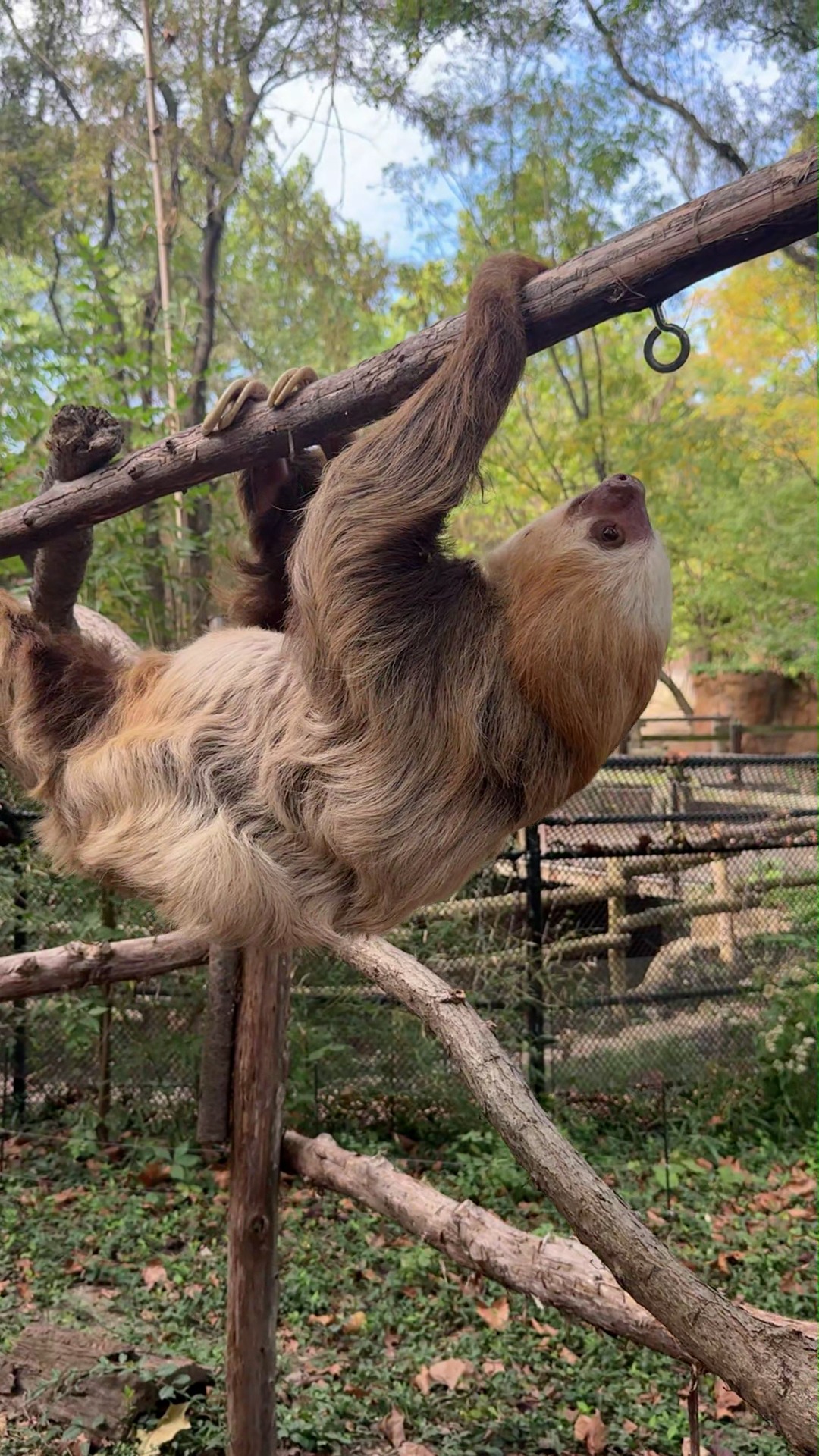
- Understanding the significance of animal behavior in captivity
- The role of enrichment in zoo management
- Conservation efforts associated with zoos
- The educational impact of zoos on the public
- The challenges faced in wildlife conservation
Animal behavior in captivity is a vital subject in zoology, particularly in how these behaviors adapt or change under different conditions. For the species, like Blondie, a fictional character referenced in a light-hearted context, understanding this behavior can improve the overall well-being of animals in zoos. Captive environments differ significantly from their natural habitats, forcing many animals to adapt. Factors such as space, social structure, and environmental cues play crucial roles.
In zoos, animals exhibit a range of behaviors from normal to stressed. Stress-induced behaviors, such as pacing or excessive grooming, can indicate discomfort. Observers must understand these patterns to assess the health and well-being of animals. Researchers and keepers closely monitor behavior to provide insights into animal psychology and adaptation. This knowledge not only improves animal welfare but is essential for developing effective conservation strategies.
Enrichment is a fundamental aspect of zoo management. This technique involves providing animals with stimuli that encourage natural behaviors, thus enhancing their quality of life. Enrichment can take various forms, including physical structures, sensory items, or problem-solving activities. For example, an orangutan may benefit from puzzle feeders that require skill and intelligence to access food. These activities stimulate both physical health and mental acuity.
Effective enrichment fosters a more dynamic environment. Animals that are engaged with their surroundings tend to show fewer signs of stress and develop stronger social bonds. Furthermore, enrichment encourages behaviors that align more closely with those observed in the wild. As a result, the concept of enrichment is integral to the philosophy of modern zoos, focusing not only on care but also on the psychological health of the animals.
Zoos also play a crucial role in wildlife conservation. Many species are threatened or endangered due to habitat loss, poaching, and climate change. Zoos participate in breeding programs that focus on species that may not survive in the wild without intervention. These programs often collaborate with global initiatives, such as Species Survival Plans (SSPs), aiming to maintain genetic diversity and ensure healthy populations.
Another pivotal aspect of wildlife conservation is habitat restoration. Zoos support the restoration of natural habitats through funding and awareness campaigns. Public support is crucial for these projects, as restoring a habitat often requires significant resources and community involvement. Educating the public about conservation issues fosters a sense of responsibility and inspires action, be it in their communities or in contributing to global efforts.
The educational impact of zoos on the public cannot be overstated. They act as centers for learning, offering visitors a chance to interact with wildlife in a safe environment. Well-planned educational programs target various age groups and backgrounds, aiming to instill respect and appreciation for animals. These programs often use engaging methods such as guided tours, lectures, and interactive exhibits. This hands-on learning experience is pivotal, helping individuals understand the importance of biodiversity and ecosystems.
Zoos also serve as rallying points for animal welfare and conservation policy. They often collaborate with universities and researchers to advance the understanding of animal behavior, health, and conservation needs. This creates a synergistic environment where new findings can rapidly translate into actionable strategies, enhancing both animal care and educational outreach.
Despite the positive contributions of zoos, challenges abound. Many face scrutiny regarding ethical implications of keeping animals in captivity. Critics argue that certain species should not be housed in enclosures, as it fails to replicate their natural habitats adequately. Such criticisms have prompted a re-evaluation of zoo practices, leading to innovations and improvements in animal care and exhibit design.
Furthermore, funding can be a significant barrier to effective zoo management and conservation initiatives. Non-profit zoos often struggle to secure the necessary resources to maintain high standards of care and implement progressive programs. Economic downturns can affect ticket sales and donations, directly impacting their ability to fulfill their mission. This creates a cycle where diminished funding hampers conservation efforts, driving home the importance of public awareness and support.
In summary, animal behavior, enrichment strategies, and educational efforts form the backbone of successful zoo management and wildlife conservation. Zoos are not merely entertainment venues but essential institutions promoting both animal welfare and environmental stewardship. As public interest in wildlife and conservation grows, zoos must adapt and innovate to remain relevant. By fostering a deeper understanding of zoology and conservation issues, they can continue to inspire future generations to value and protect the natural world.
As perceptions evolve and the expectations of zoos rise, the integration of scientific research and public engagement will remain key to ensuring a harmonious relationship between humans and wildlife.
*****
Source Description
Things are looking a little “Upside Down” for Blondie today. 😉
